elias
elias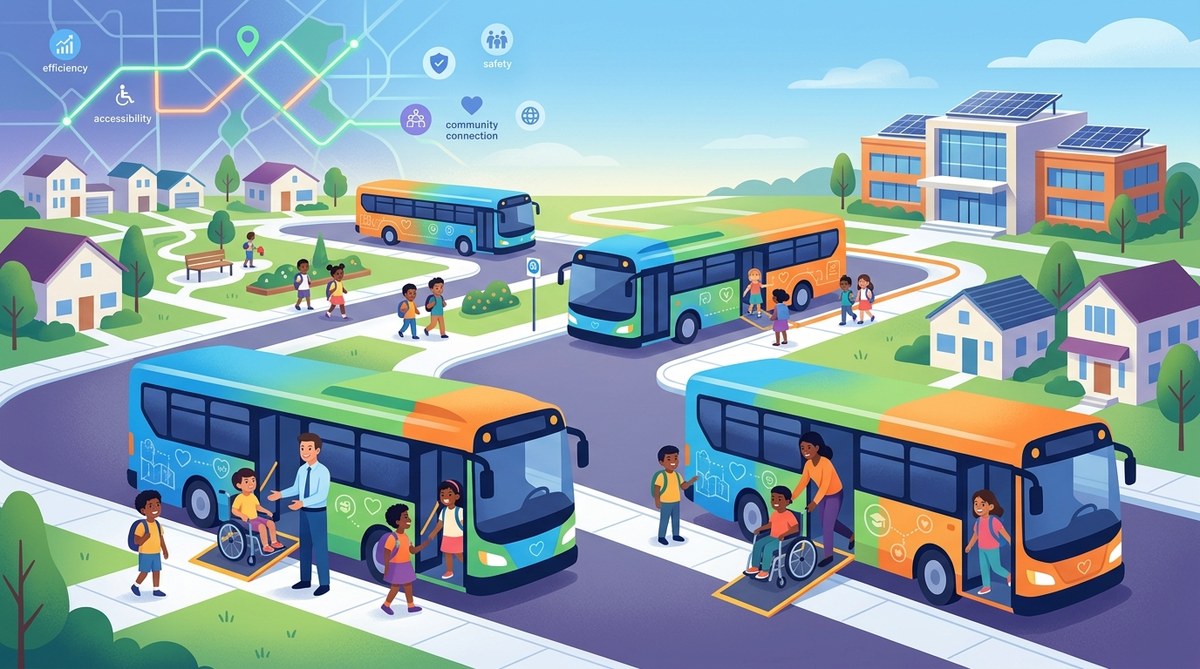
Closing the school transportation equity gap requires more than adding buses. It demands a full system redesign centered on student needs, family input, and data. By rethinking routing, partnerships, and policy, districts can boost attendance, cut chronic absenteeism, and ensure every learner reaches school safely and on time.
The School Transportation Equity Gap in 2026: What Districts Must Do Differently
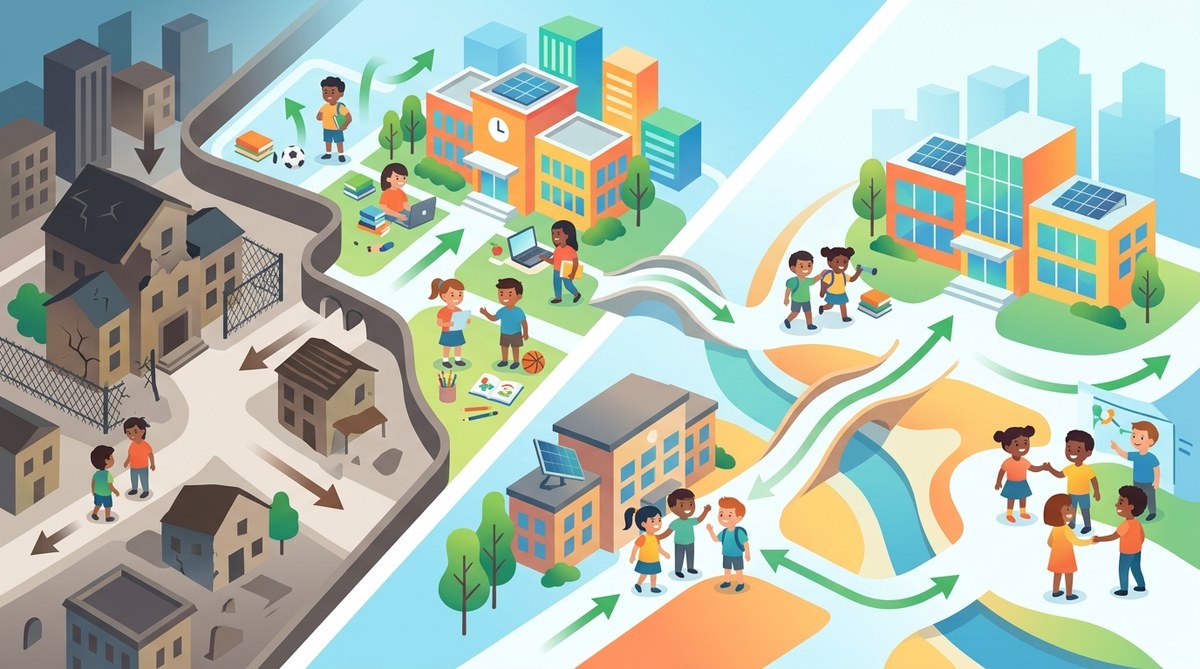
Every school day, millions of students across the United States depend on a yellow bus to get to class. For many families, that ride is reliable and straightforward. But for millions of others, the bus never comes, it comes too late, or it does not come at all. That uneven access is the school transportation equity gap. It shows up in rural routes that stretch for miles, in city stops that leave children waiting in the dark, and in the quiet reality that some students simply cannot get to school even when their classroom is ready for them.
Transportation is not a logistics footnote. It is a gatekeeper. When students cannot get to school, they cannot learn. They miss instruction, lose connection, and fall behind. The good news is that school leaders can redesign their systems to close this gap. It takes political will, smart data, and a willingness to reimagine how students travel.
Closing the school transportation equity gap requires a mix of policy changes, data informed routing, and community partnerships. Districts that review their data, remove barriers like distance minimums, and use flexible options see better attendance and fewer missed days. A fair system centers students first, not bus routes.
The Hidden Barrier in Your District
Picture a student who loves school. They arrive early, stay late, and ask for extra homework. Now picture the same student missing three days of class because the bus route changed. That is the reality for millions of families. The school transportation equity gap is not just about buses. It is about access, attendance, and opportunity. When students cannot get to school, they cannot learn.
For years, transportation has been treated as a logistical afterthought. Districts plan routes, hire drivers, and hope for the best. But the stakes are higher than scheduling. Students of color, students from low income households, and students with disabilities face the biggest barriers. These barriers affect attendance, grades, and graduation rates.
The good news? This gap is solvable. With intentional policy, data driven decisions, and community input, districts can build transportation systems that serve everyone fairly. This guide walks through evidence based strategies, real world examples, and practical steps for 2026.
Closing the school transportation equity gap requires more than adding buses. It demands data informed routing, community voice, cross sector partnerships, and sustainable funding. When districts treat transportation as a civil rights issue, they boost attendance, expand learning time, and improve outcomes for the students who need support most.
How to Close the School Transportation Equity Gap in 2026
Every school day, millions of students stay home because they cannot get to school. The bus route stops too far away. The schedule does not match the school bell. A parent cannot drive. These are not small operational issues. They are visible cracks in the foundation of educational opportunity. When a student cannot access reliable transportation, attendance drops, learning time shrinks, and opportunity narrows. The school transportation equity gap is one of the most fixable problems in education today. And 2026 is the year to fix it.
Transportation sits at the intersection of education, housing, health, and public policy. It affects who enrolls, who stays, and who graduates. Yet many districts still treat it as a back office function. That mindset is changing. Forward thinking leaders now treat transportation as a core strategy for equity and achievement. This article walks through what the equity gap looks like, why it exists, and how to close it using practical, evidence based approaches.
What Is the School Transportation Equity Gap?
The school transportation equity gap refers to the unequal access to reliable, safe, and affordable transportation that impacts students across different communities. Some students live close enough to walk. Others have a parent available to drive. But many do not. Students in rural areas face long distances and limited options. Students in urban districts may have a bus stop far from home or a route that forces a long walk through unsafe streets. Students experiencing housing instability may change locations often, making it hard for schools to keep up with routing.
This gap is not just about convenience. It has serious academic consequences. When students miss the bus, they miss instruction. Chronic absenteeism rises. Test scores dip. Graduation rates fall. The gap also reinforces existing inequities. Students from low income families, students of color, students with disabilities, and students in foster care often bear the heaviest burden. Without intentional effort, transportation becomes one more way that opportunity slips away.
Why the Equity Gap Persists
Several forces keep the gap alive. Understanding them is the first step to closing it.
- Funding constraints. Many districts fund transportation separately from instruction, but those dollars rarely keep pace with rising costs. Fuel, insurance, driver wages, and vehicle maintenance all strain budgets.
- Bus driver shortages. A national shortage of drivers forces districts to cut routes, delay start times, or require families to meet buses at distant stops.
- Rigid routing software. Many systems optimize for cost, not equity. They may leave out students who need a longer ride or a transfer, especially if those students live in areas with lower density.
- Inflexible policies. Some districts require students to walk up to two miles to a stop. Others do not provide transportation for school choice or magnet programs, leaving families to fend for themselves.
- Lack of data sharing. Transportation, attendance, and academic data often live in separate silos. Without a connected view, leaders miss patterns of missed rides and chronic absences.
These issues compound one another. A driver shortage leads to route cuts. Route cuts lead to longer walks. Longer walks lead to missed school. Missed school leads to lower achievement. The cycle repeats.
Why Transportation Is an Equity Issue
Transportation is often framed as a logistics problem. But it is really a civil rights issue. When a district fails to provide transportation, it is making a choice about which students matter. Those choices fall hardest on families who already face the most barriers.
Consider a family living in a shelter. They may move from one temporary placement to another. Each move requires a new route, a new stop, or a new school. Without a dedicated liaison and flexible transportation system, the student falls through the cracks. Or consider a rural family with one car. If the car breaks down, the student has no way to get to school. A district that only offers a single bell time and a single bus route offers no backup.
The equity gap also shows up in enrichment. Students who rely on the bus may not be able to stay after school for tutoring, clubs, or athletics. They do not have the same access to extended learning time. Over months and years, this lost time compounds. The achievement gap widens.
A Roadmap for Closing the Gap
Closing the equity gap requires a coordinated approach. There is no single silver bullet, but there is a clear set of actions that districts can take. Here is a practical, step by step process.
- Conduct a transportation equity audit. Map every student to a potential route. Identify which students do not have access to a stop within a safe walking distance. Cross reference with attendance, discipline, and achievement data. Look for patterns by race, income, disability status, and geography.
- Set equity based routing criteria. Move beyond cost per rider as the only metric. Add equity metrics such as average distance to stop, ride time, and number of transfers. Require that all students have a safe, reasonable route.
- Engage families and community partners. Host listening sessions at times that work for working families. Ask about barriers. Use surveys and community meetings to understand real experiences. Do not assume that a map tells the whole story.
- Build a driver recruitment and retention strategy. Raise wages, offer benefits, and create career pathways. Use part time and split shift schedules to attract a broader workforce. Consider training programs that lead to a commercial driver license.
- Use data to connect transportation and attendance. Share daily ridership data with school counselors and family liaisons. Flag students who miss the bus more than once a week. Intervene early with a phone call, a home visit, or a modified route.
- Expand after school and summer transportation. Partner with community based organizations to provide late buses, activity routes, and summer programming. Use a portion of Title I or 21st Century Community Learning Center funds to cover costs.
- Create a transportation ombudsperson or family support role. This person helps families navigate the system, handles route change requests, and advocates for students with unique needs.
Techniques That Work
Several proven techniques can help districts close the gap. The table below outlines common mistakes and better approaches.
| Common Mistake | Why It Fails | Better Approach |
|---|---|---|
| Cutting bus routes to save money | Reduces access for the most vulnerable students | Use equity metrics to make cuts, not a flat percentage |
| Only offering one bell time | Forces families to choose between work and school | Explore staggered starts or flexible scheduling |
| Ignoring community feedback | Misses hidden barriers like unsafe streets | Use ongoing family advisory groups |
| Treating all routes the same | Ignores differences in geography and need | Use tiered routing that matches service to need |
| Not sharing data across departments | Misses early warning signs of disengagement | Create a shared data dashboard with ridership and attendance |
One district in Texas took a different approach. Instead of cutting routes, they partnered with a local transit authority to create a universal pass program. Every student got a free transit card. The district saved money on some fixed routes and gave students more flexibility to stay after school. Ridership on late buses increased, and attendance at after school programs jumped.
The Role of Policy and Funding
Closing the gap is not just a district level effort. It requires supportive policy at the state and federal levels. States can revise funding formulas to reward equity, not just efficiency. They can allow districts to use transportation funds for innovative approaches like partnerships with ride hailing services, microtransit, or guaranteed ride home programs.
Federal policy matters too. The Every Student Succeeds Act allows districts to use a portion of Title I funds for transportation to support parent and family engagement. The Department of Education has also issued guidance reminding districts that transportation can be a component of civil rights compliance. When districts provide transportation for some students, they must ensure they do not discriminate against others.
Leaders should also explore braided funding. Combine transportation dollars with public health funds, workforce development dollars, or juvenile justice prevention grants. These funds often come with flexibility that can support innovative approaches.
Expert Advice
“Transportation is the quiet engine of educational equity. You cannot have a great school system if students cannot get to the door. When you treat transportation as a strategy, not a service, you unlock the door to better attendance, stronger family engagement, and deeper learning.”
That advice comes from a growing body of district leaders who have learned that the bus route is a lever for change. They measure success not just in on time performance, but in reduced chronic absenteeism, higher after school participation, and stronger trust with families.
The Case for After School and Summer Transportation
One of the most underutilized strategies is expanding transportation beyond the regular school day. Many districts stop at the final bell. But learning does not end at 3 p.m. Tutoring, robotics teams, music lessons, and sports all require students to get home. Without a late bus, only students with a parent who can drive participate. That leaves out a large share of the student body.
Districts can use a variety of models. Some operate a limited number of late bus routes on specific days. Others partner with community organizations to provide transportation from their sites. Some use small grants to fund a guaranteed ride home program for students who stay after school.
Summer is another opportunity. Many districts run summer school, but attendance drops when transportation is unreliable. Providing transportation for summer learning programs can boost participation and reduce summer learning loss.
Using Technology and Innovation
Technology can help, but it is not a silver bullet. Route optimization software can create more efficient routes, but only if the criteria include equity. Some districts are using GPS and mobile apps to give families real time bus tracking. This reduces the time students spend waiting at a stop and helps families plan their day.
Microtransit and ride hailing partnerships are also emerging. Some districts use services like Via or Uber to provide on demand rides for students in foster care, students experiencing homelessness, or those with specialized needs. These services can fill gaps where traditional buses cannot go.
Artificial intelligence is starting to play a role too. Predictive analytics can identify students at risk of missing the bus based on patterns like weather, time of year, or changes in family circumstances. Some systems can even adjust routes in real time to respond to a missed stop or a road closure.
How to Build Community Support
Transportation changes can be politically sensitive. Parents worry about longer rides or earlier pickups. School board members worry about cost. Building a broad coalition is essential. Start by sharing data that shows the human cost of the status quo. Use stories to complement the numbers. Invite students and families to share their experiences.
Transparent communication is key. When changes are coming, communicate early and often. Use multiple channels: robocalls, text messages, social media, community events, and door knocking. Provide translation in the languages families speak. Create a simple way for families to submit concerns and track how they are resolved.
Measuring Success
A transportation equity strategy needs clear metrics. Track not only on time performance, but also:
- Chronic absenteeism rates by transportation mode and distance to stop
- Average ride time for students by subgroup
- Number of missed rides per student per month
- Participation in after school programs, broken down by transportation access
- Family satisfaction scores from annual surveys
- Disproportionality across routes, stops, and schools
These metrics should be reviewed monthly by a cross departmental team that includes transportation, academics, family engagement, and data staff. The goal is continuous improvement, not blame.
What About Rural and Remote Communities?
Rural districts face a unique set of challenges. Distances are long. Roads may be unpaved or dangerous in bad weather. There is often no public transit. A single bus breakdown can disrupt an entire region.
For rural districts, the answer often lies in flexibility. Some districts have moved away from the yellow bus for older students and instead use a mix of vehicles, including smaller shuttles, vans, or even partnerships with community agencies. Others have implemented “hub” models where students gather at a central location, like a church or community center, to catch a bus.
Technology can also help. GPS tracking and parent apps give families real time information about bus locations. This reduces anxiety and builds trust. It also helps families plan around delays, which is especially important in areas with harsh weather or long distances.
The Role of Technology and Innovation
Technology offers new tools to close the gap. Modern routing software can incorporate equity metrics. It can balance ride times, avoid hazardous roads, and adjust for students with disabilities. Some districts use artificial intelligence to predict which students are at risk of missing the bus based on historical patterns. Others use tablets or smartphones to provide real time updates to families, reducing the number of missed pickups.
Microtransit is another emerging tool. Instead of a fixed route, some districts use on demand vans or rideshare services to fill gaps. This approach works well for students who live in areas with low density or for students who need a ride home after an after school program. It is not a replacement for the yellow bus, but it is a flexible supplement.
Districts should also consider the role of school siting and choice. When a district opens a new school or expands choice options, it must plan for transportation. Otherwise, choice becomes a privilege for those with access to a car. This is one of the quiet ways that the equity gap persists.
Measuring Success
What gets measured gets managed. Districts should track a small set of transportation equity indicators. These include:
- Percentage of students with a safe walking route to a stop
- Average distance to stop by student subgroup
- Average ride time by subgroup
- Number of students who miss the bus more than once per week
- Chronic absenteeism rate for students who ride the bus compared to those who do not
- After school and summer program participation by transportation access
These metrics should be reviewed monthly by the superintendent and school board. They should be public. When transportation is visible, it becomes harder to ignore.
Building a Culture of Accountability
Closing the equity gap is not a one time project. It requires a sustained commitment. Districts should create a transportation equity committee that includes students, families, drivers, and community partners. This committee should meet regularly to review data, address complaints, and celebrate wins. It should have the authority to recommend changes and the support of district leadership.
Training is also critical. Bus drivers are often the first district employee a student sees in the morning and the last one at night. Treating them as professionals matters. Provide ongoing training on trauma informed practices, de escalation, and cultural responsiveness. Recognize their role as frontline staff who shape the school climate.
Measuring Success
What gets measured gets improved. In addition to on time performance and cost per rider, track the following metrics:
- Chronic absenteeism rates by transportation mode
- Average distance to stop and average ride time
- Number of students with no transportation option
- On time arrival rates at school and after school programs
- Family satisfaction with transportation
- Participation rates in after school and summer programs
- Driver vacancy and retention rates
Review these metrics monthly. Share them with the school board and community. Transparency builds trust and creates urgency for continued investment.
Overcoming Resistance
Change is hard. Leaders may worry about costs, pushback from families, or logistical complexity. Some staff may resist new technology or new partners. The key is to start small, measure early, and communicate often. Pilot a late bus on one campus. Test a partnership with a ride hailing service in one neighborhood. Use the data to tell the story. When families see that their voice made a difference, they become champions for the work.
Leaders should also expect some failures. Not every route will work. Not every partnership will pay off. The goal is to learn fast and iterate. Share what works and what does not. Build a culture of continuous improvement.
Measuring Success
What gets measured gets done. Districts should track a dashboard of equity metrics. These include the percentage of students with access to a bus stop within a safe walking distance, the average ride time by student subgroup, chronic absenteeism rates by transportation mode, and participation in after school programs. They should also track customer satisfaction through family surveys and complaint resolution times.
But the most important metric is the one that often goes unnoticed: the number of students who never miss a day because of a transportation barrier. When that number moves, everything else improves. Attendance rises. Teachers can plan for more consistent instruction. Families feel more connected. Trust grows.
How Districts Can Start Tomorrow
It can feel overwhelming to tackle a problem this big. But progress is possible with small, focused steps. Start by asking a simple question: which students are missing school because of transportation, and why? The answer to that question will guide everything else.
Assemble a cross departmental team that includes transportation, attendance, special education, and family engagement. Meet regularly. Review data. Celebrate wins. Be willing to change course when something is not working. The goal is not to be perfect. The goal is to be responsive.
The Role of Technology and Innovation
Technology can help, but it is not a silver bullet. Modern routing software can optimize for equity, not just cost. It can include parameters for walking distance, road safety, and ride time. It can also support dynamic routing for students in temporary housing or those who change addresses frequently.
Some districts have begun to use ride hailing services as a supplement for students with disabilities or for students who need a one time ride. These programs must be carefully managed to protect student privacy and ensure safety. But when used intentionally, they can fill gaps that traditional buses cannot.
Data is also a tool. Districts can build dashboards that combine transportation, attendance, and academic data. These dashboards can flag students who miss the bus more than once a week. They can also identify patterns by school, grade, or neighborhood. With this data, leaders can move from reactive to proactive.
Building a Culture of Shared Ownership
Transportation should not be the sole responsibility of the operations department. It is a shared responsibility across the district. Superintendents should elevate the transportation director to a senior leadership role. Principals should see ridership data as part of their early warning system. Counselors and family liaisons should have access to route information so they can support families in real time.
Districts should also invest in professional development for transportation staff. They are often the first and last school employees a student sees each day. A bus driver who greets students by name can set a positive tone for the whole school day. Drivers and monitors also see students in ways that teachers do not. They can report concerns about safety, behavior, or well being.
The Role of Technology and Innovation
Technology can help close the gap, but only when paired with a human centered approach. Modern routing software can incorporate equity constraints alongside cost. It can account for road conditions, walkability, and student needs. GPS and mobile apps give families real time information about bus locations. That reduces anxiety and helps families plan.
Some districts are experimenting with more advanced approaches. Microtransit uses smaller vehicles that can respond to demand. This can serve students in rural areas or those with complex schedules. Ride hailing partnerships can provide backup for students who miss the regular bus. These approaches are not replacements for the yellow bus, but they can fill gaps in service.
Data is the fuel for these approaches. Districts should track ridership, on time performance, missed stops, and family complaints. They should link this data to attendance and academic outcomes. When a student misses two days in a row, the system should flag it. This creates a safety net that catches students before they disappear.
The Role of Community Schools
Community schools offer a natural home for transportation equity work. These schools serve as hubs for services and partner with local organizations to meet family needs. Transportation can be woven into this model. A community school might host an after school program with a late bus. It might partner with a local nonprofit to provide bikes or walking school buses. It might offer a guaranteed ride home for families in crisis.
Community schools also build trust. Families are more likely to share their barriers when they have an ongoing relationship with a coordinator. That trust translates into better information about what routes are working and where the gaps are.
Measuring Success
What gets measured gets improved. Districts should track more than on time performance. Here are the metrics that matter:
- Ridership by demographic group. Are low income students, students of color, and students with disabilities using the system at the same rate as their peers?
- Chronic absenteeism linked to transportation. How many students miss more than 10 percent of school days? How many of those absences are linked to transportation barriers?
- Distance to stop and ride time. Long walks and long rides are warning signs. Set a maximum threshold and monitor it.
- After school participation. Track whether students who receive a late bus pass enroll in and attend after school programs at the same rate as their peers.
- Family satisfaction. Use surveys to measure trust and confidence in the transportation system.
These metrics should be reviewed monthly by a cross functional team. Include representatives from transportation, attendance, special education, and family engagement.
How Technology Can Help
Technology is not a silver bullet, but it can play a role. Modern routing software can include equity constraints. It can optimize for distance to stop, ride time, and safety, not just cost. GPS tracking and parent facing apps give families real time visibility into bus location. That reduces anxiety and builds trust.
Data dashboards can connect ridership to attendance in real time. When a student misses the bus twice in a week, the system can flag them for follow up. This allows counselors to address barriers before they become chronic. It also helps districts identify routes that consistently run late or miss students in specific neighborhoods.
Artificial intelligence and predictive analytics are also entering the field. These tools can forecast which students are at risk of missing the bus based on historical patterns, weather, and route changes. They can recommend proactive outreach. But technology is a tool, not a strategy. It works best when paired with strong relationships and community trust.
The Role of Community Schools and Partnerships
No district can solve the transportation gap alone. Community schools provide a natural hub for coordinated services. By housing health clinics, food banks, and social services on campus, they reduce the number of trips families need to make. They also offer a natural place to coordinate transportation with other services.
Partnerships with transit agencies, ride hailing companies, and community organizations can expand capacity. Some districts now use geo-fencing and ride hailing to serve students in foster care or students experiencing homelessness. Others partner with faith based organizations to provide vans for after school programs. These partnerships require clear agreements, training, and oversight, but they can fill gaps that traditional yellow buses cannot.
The Role of Technology
Technology plays a critical role in closing the equity gap. Modern routing software can incorporate equity metrics such as distance to stop, walkability of the route, and risk of chronic absenteeism. Global positioning system tracking gives families real time information about bus arrival. Parent communication apps reduce anxiety and missed stops.
But technology alone is not enough. The most important data comes from the lived experience of students and families. A district can have the best software in the world, but if it never asks families about their barriers, it will still miss the mark. Use technology to support, not replace, human judgment.
How to Start Tomorrow
Leaders do not need to wait for a perfect plan. Start with a small, focused pilot. Pick one school or one feeder pattern. Conduct a rapid equity audit. Engage a handful of families. Test one change, such as a late bus once a week or a revised stop location. Measure the impact on attendance and participation. Use that data to build a case for scale.
Success also depends on communication. Families need to know how to access transportation. They need clear information about routes, stops, and how to request changes. They need a trusted person to call when something goes wrong. Simple tools like text message alerts, a dedicated hotline, and translated materials go a long way.
Measuring Success
What gets measured gets improved. In addition to on time performance and cost per rider, districts should track a set of equity focused outcomes. These include chronic absenteeism rates by transportation mode, the percentage of students with access to after school transportation, and the average distance to a bus stop. They should also track the number of missed rides, the time to resolve route issues, and family satisfaction.
Districts should also disaggregate data by student group. Are Black and Latino students less likely to have access to a late bus? Are students with disabilities waiting longer? Are English learners receiving materials in their home language? These are the questions that turn data into action.
Building a Transportation Equity Team
No single department can close the gap alone. Create a cross functional team that includes transportation, academics, operations, family engagement, and community partners. Meet monthly to review data, address barriers, and celebrate wins. Give the team the authority to make changes, not just recommend them.
The team should also include students and families. Too often, adults make decisions without asking the people who ride the bus. A student advisory council can provide feedback on routes, stop locations, and bus culture. A family advisory group can identify barriers that data misses. These voices are not just nice to have. They are essential to designing a system that works.
The Role of Technology and Innovation
Technology can help close the gap, but it is not a silver bullet. Global positioning system tracking, mobile apps, and real time alerts help families feel informed. They reduce anxiety about whether the bus is coming. They also give districts better data on route performance. But technology alone does not solve the driver shortage or the funding gap. It is a tool, not a strategy.
Some districts are experimenting with more flexible models. They use smaller vehicles for late routes, partner with ride hailing companies for on demand rides, or create microtransit zones. Others use GPS data to identify students who are consistently late or absent, then adjust routes to better serve them. These innovations work best when paired with strong community engagement.
Measuring Success
How will you know if your efforts are working? Start by tracking a set of key indicators.
- Chronic absenteeism rate. Compare rates before and after transportation changes.
- On time arrival rate. Measure how many buses arrive on time, but also track how many students are on time to class.
- Ridership on late buses. An increase shows that students are accessing after school opportunities.
- Equity gap measures. Compare transportation access and outcomes across student groups. Look for disparities by race, income, disability, and geography.
- Family satisfaction. Use surveys to ask about safety, reliability, and convenience. Listen for themes in open ended responses.
The Role of Technology and Innovation
Technology can help close the gap, but only if it is paired with strong policy and practice. Global positioning system tracking and parent apps give families real time information. That reduces anxiety and helps families plan. But technology alone does not solve the problem. Districts need the capacity to act on data. That means training staff, building trust with families, and being willing to change.
Some districts are experimenting with on demand microtransit. Instead of a fixed route, students can request a ride through an app. This model works well in areas with low density or for students who stay after school. It does not replace the yellow bus entirely, but it adds flexibility.
Others are partnering with ride hailing companies to provide backup transportation for students who miss the bus or for families in crisis. These programs must be carefully managed to ensure safety, privacy, and equity. But they offer a promising way to fill gaps.
The Role of Community Schools and Partnerships
Transportation is most effective when it is part of a broader community school strategy. Community schools bring together academic, health, and social services under one roof. When a family needs a ride, the school can help. When a student is chronically absent, a community partner can knock on the door.
Districts can also partner with local businesses, faith based organizations, and nonprofit groups. Some communities have launched “walking school buses” where adults walk with groups of students along safe routes. Others have created volunteer driver programs with background checks and training. These efforts work best when they complement, not replace, the core transportation system.
Measuring Success
Leaders need to know whether their efforts are working. That means going beyond on time performance. Here are the metrics that matter most:
- Chronic absenteeism rate, especially for students who ride the bus.
- Missed ride incidents per 100 students per month.
- Average ride time by student subgroup.
- Distance to stop and number of students who must walk more than a safe distance.
- After school participation and access to enrichment.
- Family satisfaction scores on transportation related questions.
- Attendance at school events that require a late bus.
These metrics should be disaggregated by race, income, disability status, and other key groups. If a district is serious about equity, it must measure and report on these gaps. What gets measured gets managed.
The Role of Technology
Technology can help close the gap, but only when paired with a commitment to equity. Modern routing software can optimize for both cost and fairness. It can incorporate equity constraints such as maximum walking distance, maximum ride time, and the number of students from historically marginalized groups on each route. Global positioning system tracking gives families real time information about bus locations, reducing the number of missed stops and the anxiety that comes with waiting.
Some districts are experimenting with more advanced tools. Machine learning can predict which students are at risk of missing the bus based on historical data. It can flag students who have moved, who have a history of chronic absence, or who live in areas with poor transit access. These tools are not magic, but they can help leaders target support.
At the same time, technology is not enough. It must be paired with strong family engagement and a willingness to adapt. A route that looks good on a map may still require a student to cross a highway or walk through a dark parking lot. Data can help identify issues, but only people can solve them.
Building a Culture of Shared Responsibility
Closing the transportation gap is not just the transportation department’s job. It requires a district wide culture shift. Superintendents must make transportation a priority in strategic plans. Principals must see the bus as part of the instructional day. Counselors and social workers must understand the link between ridership and attendance. School boards must fund innovative solutions and hold the district accountable for equity metrics.
One powerful step is to create a cross departmental task force. Include representatives from transportation, special education, curriculum, facilities, family engagement, and finance. Meet monthly to review data, address barriers, and celebrate wins. This group can also serve as the point of contact for families with transportation challenges.
The Role of Technology and Innovation
Technology is a tool, not a solution. But the right tools can help. Modern routing software can incorporate equity metrics, such as distance to stop and ride time. Global positioning system tracking gives families real time information about bus location, which reduces the stress of waiting at a stop. Ridership tracking can identify students who miss the bus repeatedly, allowing schools to intervene.
Some districts are exploring microtransit. Instead of a full size bus, they use on demand shuttles or partnerships with ride hailing services for specific routes. These approaches work best for special populations, such as students in foster care, students experiencing homelessness, or students with disabilities who need door to door service. They can also support students who participate in after school activities.
Another emerging tool is the use of data analytics to predict which students are at risk of missing the bus. By connecting ridership data with attendance records, districts can identify patterns. A student who misses the bus on Tuesdays and Thursdays may have a family schedule issue. A student who starts missing the bus after a move may need a route change. Early intervention is easier when the data points to the problem.
How to Overcome Common Barriers
Even with a strong plan, districts will face barriers. Here are some of the most common and how to address them.
- Resistance to change. Some staff and board members will resist new approaches. Use data to make the case. Show how the equity gap connects to attendance, behavior, and graduation. Share stories from families who have been affected.
- Budget constraints. Start with a pilot program. Measure the impact on attendance and engagement. Use those results to make the case for additional funding. Also look for braided funding opportunities across agencies.
- Driver shortages. Recruitment is not the only answer. Retention matters too. Listen to drivers. Improve schedules, provide support, and recognize their work. A stable, valued workforce is more likely to stay.
- Resistance to change. Some staff may worry that new routes or partnerships will add complexity. Communicate clearly about the why. Show how the changes benefit students and families. Celebrate quick wins.
Measuring Success
How will you know if you have closed the gap? Start with a clear set of metrics. Track the percentage of students with access to a safe route. Monitor ride times and transfer rates. Compare attendance rates between students who ride the bus and those who do not. Watch for disparities by race, income, disability, and housing status.
Also track family experience. Use surveys to measure satisfaction and trust. Ask families about barriers, safety concerns, and satisfaction with wait times. An equity audit is not a one time event. It should be an ongoing cycle of measure, improve, and measure again.
Bringing It All Together
The school transportation equity gap is not inevitable. It is the result of decisions, policies, and funding choices. That means it can be undone by new decisions, new policies, and new investments. When a district commits to equity based transportation, it sends a clear signal. Every student matters. Every route matters. Every ride matters.
Start small. Pick one school, one route, or one metric. Listen to families. Look at the data. Then build momentum. The students who are missing the bus today are the ones who need the most support. They are not a problem to be managed. They are a priority to be served.
The school transportation equity gap is not just a logistics problem. It is a moral test. When a district decides that every student has the right to a safe, reliable, and reasonable ride to school, it sends a message that every student matters. That is the kind of leadership 2026 demands. And it is within reach.
Bringing It All Together
Closing the equity gap takes time, money, and political will. But the tools already exist. Routing software can be recalibrated for equity. Driver pay can be raised. Families can be engaged as partners, not just recipients of service. Data can be shared across departments. And funding can be braided together from multiple sources.
The districts that succeed will be the ones that treat transportation as a core academic strategy. They will measure success not just in fuel costs or on time arrivals, but in attendance, participation, and trust. They will see the bus not as an expense, but as a pathway to opportunity.
The work is not easy. It requires political courage to change policies, allocate funds differently, and challenge the status quo. But the payoff is enormous. Every student who gets a safe, reliable ride to school gains a chance to learn, grow, and thrive. That is the promise of public education. And closing the school transportation equity gap is one of the most direct ways to keep it.
In 2026, the districts that lead will be the ones that see the bus stop not as the end of the line, but as the beginning of opportunity. The road is long, but the route is clear. Start the audit. Listen to families. Rethink the route. And then keep going until every student, in every neighborhood, has a way to school. That is how you close the gap. That is how you build a more equitable future. And that is how you make sure no student is left behind at the bus stop.