elias
elias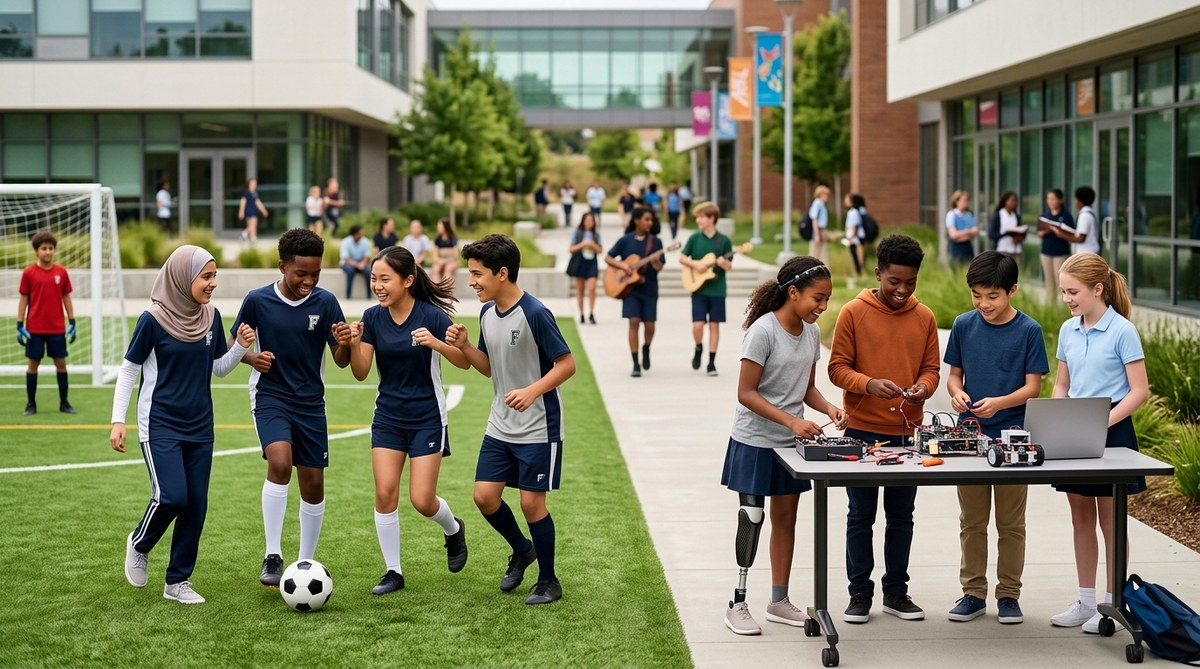
Picture a seventh grader named Maria. She lives in a neighborhood where the school building locks its doors at 3:15 PM. The robotics club, the debate team, and the art studio all require a fee her family cannot afford. Across town, another seventh grader named Ben attends a school where buses run late, equipment is provided, and every club is free. By the time both students apply to high school, Ben has a resume full of leadership roles and awards. Maria has perfect attendance and nothing else. This gap is not an accident. It is a systemic failure. And in 2026, we must recognize that unequal access to extracurricular activities is a civil rights issue that limits opportunity based on race and income.
Extracurricular programs build skills, networks, and credentials that shape a student’s future. When low-income families and families of color cannot access these programs, the opportunity gap widens. Treating this as a civil rights issue means demanding policy changes, fair funding, and community partnerships that remove financial and logistical barriers for every child.
Why After-School Programs Matter More Than Ever
The hours between 3:00 PM and 6:00 PM are often called the “prime time for development.” During these hours, students can join a sports team, practice an instrument, or work on a science project with a mentor. These activities teach teamwork, time management, and resilience. They also look great on college applications and job resumes.
But here is the problem. According to the Afterschool Alliance, for every child in a low-income community who participates in an after-school program, two are waiting for a spot that does not exist. In 2026, the demand still far outpaces supply. Meanwhile, wealthier districts offer dozens of options, from coding camps to equestrian teams. The result is a two-tiered system where privilege determines who gets to build a strong portfolio of experiences.
This is not just about fun. It is about fairness. The U.S. Department of Education’s Civil Rights Data Collection has shown for years that students of color and students from low-income families have less access to advanced coursework, arts programs, and competitive sports. When schools fail to provide equal opportunities outside the classroom, they perpetuate inequality inside the classroom too.
The Legal and Moral Case for Equitable Access
Some people argue that extracurricular activities are a luxury, not a right. But federal civil rights law suggests otherwise. Title VI of the Civil Rights Act of 1964 prohibits discrimination based on race, color, or national origin in any program that receives federal funding. That includes public schools. If a school district offers extracurricular programs but systematically excludes certain groups through fees, transportation barriers, or biased selection processes, it may be violating federal law.
The Office for Civil Rights has investigated cases where schools cut arts programs in predominantly Black and Latino neighborhoods while preserving them in white neighborhoods. In 2026, advocates are pushing for clearer guidelines that define extracurricular access as a component of a free and appropriate public education.
Beyond the legal argument, there is a moral one. Every child deserves the chance to discover their talents and passions. When we deny that chance to whole communities, we send a message that some children are worth investing in and others are not. That message is damaging, and it contradicts the core promise of American public education.
What the Data Reveals About the Gap
Numbers tell a stark story. Let us look at a comparison of access between high-income and low-income districts in 2026.
| Factor | High-Income District | Low-Income District |
|---|---|---|
| Number of extracurricular offerings | 40+ per semester | 8 to 12 per semester |
| Participation fee | $0 to $50 per activity | $100 to $400 per activity |
| Transportation provided | Yes, late buses | No, students must arrange rides |
| Equipment and uniforms | Provided by school | Student must purchase |
| Staffing for programs | Paid specialists and coaches | Overworked teachers volunteering |
| Average participation rate | 85% of students | 35% of students |
The table shows a clear pattern. Money determines access. And because race and income are closely linked in the United States, this gap disproportionately affects Black, Latino, and Indigenous students.
Three Steps Schools Can Take Right Now
School administrators and policy advocates do not need to wait for a federal mandate. There are concrete actions that can make a difference today.
-
Eliminate participation fees and provide free transportation.
The single biggest barrier for low-income families is cost. Schools can use Title I funds, state grants, or community donations to cover fees, equipment, and bus routes. When transportation is free and reliable, attendance jumps. -
Use an equity-based enrollment system.
Instead of first-come, first-served registration (which favors families with flexible schedules and internet access), schools can set aside slots for students who are eligible for free or reduced-price lunch. Some districts use a lottery system that guarantees representation. -
Partner with local nonprofits and businesses.
Schools do not have to build everything alone. A partnership with a local YMCA, a tech company, or a community arts center can bring in instructors, materials, and funding. These partnerships also expose students to real-world mentors and career paths.
Common Mistakes That Widen the Gap
Even well-meaning schools sometimes make choices that hurt equity. Here are some pitfalls to avoid.
- Requiring a parent to volunteer for the program to run. This excludes children whose parents work multiple jobs.
- Holding tryouts without offering a developmental or beginner track. This favors students who already have private coaching.
- Announcing registration only on social media. This misses families without reliable internet or who do not speak English as a first language.
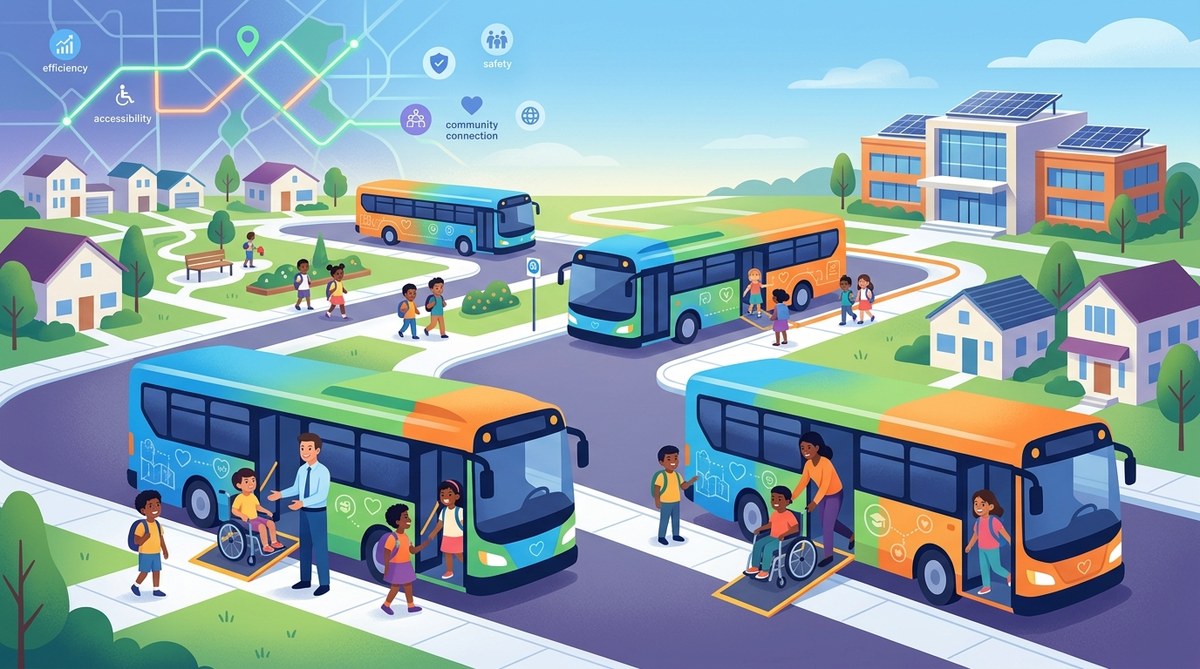
- Cutting bus routes to save money. This is the most common reason students stop attending after-school activities.
“We cannot claim to care about equity if we only focus on what happens between 8 AM and 3 PM. The extracurricular gap is where opportunity is lost or found. It is a civil rights issue because it determines who gets to play, who gets to lead, and who gets to be seen.”
Dr. Elena Torres, education equity researcher at the University of California
A Practical Guide for Advocates and Parents
If you are reading this and wondering how to push for change in your own district, here is a bulleted list of actions that work.
- Attend school board meetings and ask for a breakdown of extracurricular spending by school.
- Request a transportation audit to see which neighborhoods have after-school bus routes.
- Start a parent advocacy group focused on activity equity.
- Collect stories from students who have been turned away from programs due to cost or lack of space.
- Use the Civil Rights Data Collection tool to compare your district to others.
- Reach out to local media to highlight the gap.
- Encourage your school to apply for grants from the 21st Century Community Learning Centers program.
How We Can Frame This as a Civil Rights Issue
The language we use matters. When we call unequal access to extracurricular activities a civil rights issue, we change the conversation. It stops being about “extras” and starts being about justice. It shifts responsibility from individual families to the systems that create barriers.
Think about it this way. A student who cannot join the debate team because there is no bus home is not experiencing a personal failure. They are experiencing a policy failure. A student who cannot play soccer because the equipment fee is $200 is not lazy. They are being excluded by a financial barrier that the school could remove.
In 2026, several lawsuits have been filed arguing that disparate access to enrichment programs violates students’ right to an equal education. Courts are beginning to take these cases seriously. The legal precedent is still developing, but the direction is clear: extracurricular access is part of the broader fight for educational equity.
Building a Movement for Change
No single school or district can solve this alone. But when communities come together, change happens. We need policies at the state level that mandate equitable funding for after-school programs. We need federal data collection that tracks participation by race, income, and disability status. And we need school leaders who see the connection between a robotics club and a future engineer.
If you are a school administrator, start by auditing your own programs. If you are a parent, ask hard questions at the next PTA meeting. If you are a policy advocate, use the data to make your case. And if you are a student, speak up. Your voice matters.
Turning Awareness Into Action
Understanding the problem is only the first step. The real work begins when we commit to changing the systems that hold students back. We have the tools, the research, and the legal frameworks to make extracurricular activities accessible to every child. What we need now is the will to act.
Let us build schools where Maria and Ben have the same chances to discover their talents. Let us treat every after-school program as a right, not a reward. And let us remember that when we invest in a child’s potential, we invest in the future of our entire community.