elias
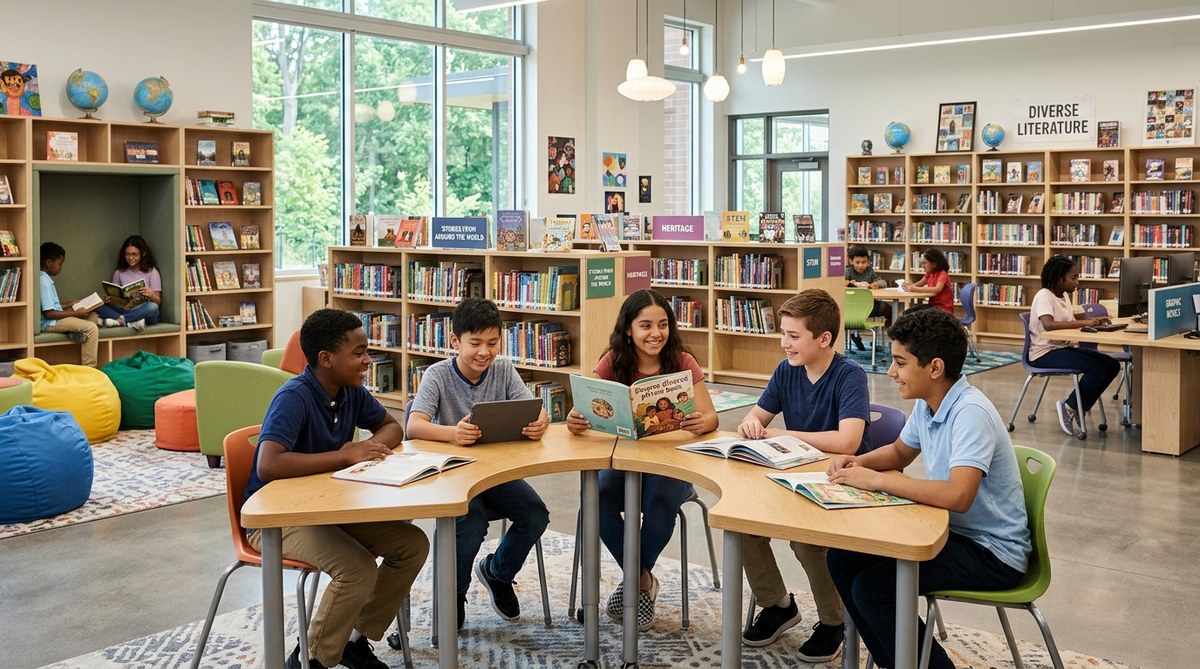
When a student walks into the school library, they should see themselves in the books on the shelves, the faces on the walls, and the tools on the tables. For too many students, that doesn’t happen. Instead, they find a space that feels like it belongs to someone else. A library that doesn’t reflect its students is a missed opportunity. It can even widen the achievement gaps we are all working so hard to close. Redesigning your school library with equity at the center is one of the most powerful moves you can make in 2026. It signals to every child that they matter, that their stories are worth telling, and that their future is bright.
A school library redesign for equity goes beyond buying diverse books. It requires a complete audit of the collection, physical layout, technology, and programming. When libraries intentionally reflect student identity, reading engagement rises and achievement gaps narrow. This guide provides the steps, strategies, and data you need to get started.
Why Library Design Matters for Equity
The physical and intellectual space of a library sends a message. A study from the University of Nevada found that students who saw themselves represented in classroom materials showed higher levels of engagement and motivation. The same principle applies to a school library. When a child walks in and sees authors who share their background, characters who speak their language, and images of families that look like theirs, they feel a sense of belonging. That belonging is the foundation for academic risk-taking and growth.
On the flip side, a library that centers only one cultural perspective can alienate students. It can reinforce the idea that some stories are more important than others. This is not just a feeling. Research from the American Library Association shows that students who have access to culturally relevant materials score higher on reading comprehension assessments. The link between representation and achievement is clear.
The Three Pillars of an Equitable Library Redesign
To make your school library redesign for equity truly effective, focus on three interconnected pillars. Each one supports the others.
1. Collection Diversity
This is the most visible piece. Your collection must include books, media, and resources that reflect the full range of student identities in your building. This means race, ethnicity, language, family structure, ability, and socioeconomic background.
- Audit your current collection. Pull every title and categorize it by author background, protagonist identity, and theme.
- Identify gaps. Are all your main characters white? Do you have books with characters who use wheelchairs? Are there stories about immigrant families?
- Purchase intentionally. Use funds to buy from publishers and authors who represent your community. Do not just add a single “multicultural” shelf. Weave diverse voices throughout the entire collection.
- Include non-print resources. Audiobooks in multiple languages, graphic novels, and digital databases all count.
2. Physical Space and Design
The way a room is set up can include or exclude. Think about lighting, furniture, and signage.
- Use flexible seating. Not every student learns best at a hard desk. Offer floor cushions, standing tables, and low seating options.
- Display student work and local art. Let the walls tell the story of the school community.
- Ensure accessibility for all. Shelves should be reachable from a wheelchair. Signage should be in multiple languages and include braille.
- Create quiet zones and collaborative zones. Some students need silence to focus. Others thrive in a group setting. Provide both.
3. Programming and Staffing
The best collection in the world does no good if students do not feel welcome to use it.
- Hire a librarian who is trained in culturally responsive practice. They should be a champion for equity.
- Host author visits that reflect student diversity. Let students meet writers who look like them.
- Run book clubs and reading challenges that celebrate a wide range of voices. Do not limit these to “heritage months.” Make them year-round.
- Partner with classroom teachers to tie library resources into the curriculum. When a student reads a book in class, the library should have more by that author.
A Step-by-Step Process for Redesign
If you are ready to start, here is a practical numbered process you can follow. It does not require a massive budget. It does require intention.
-
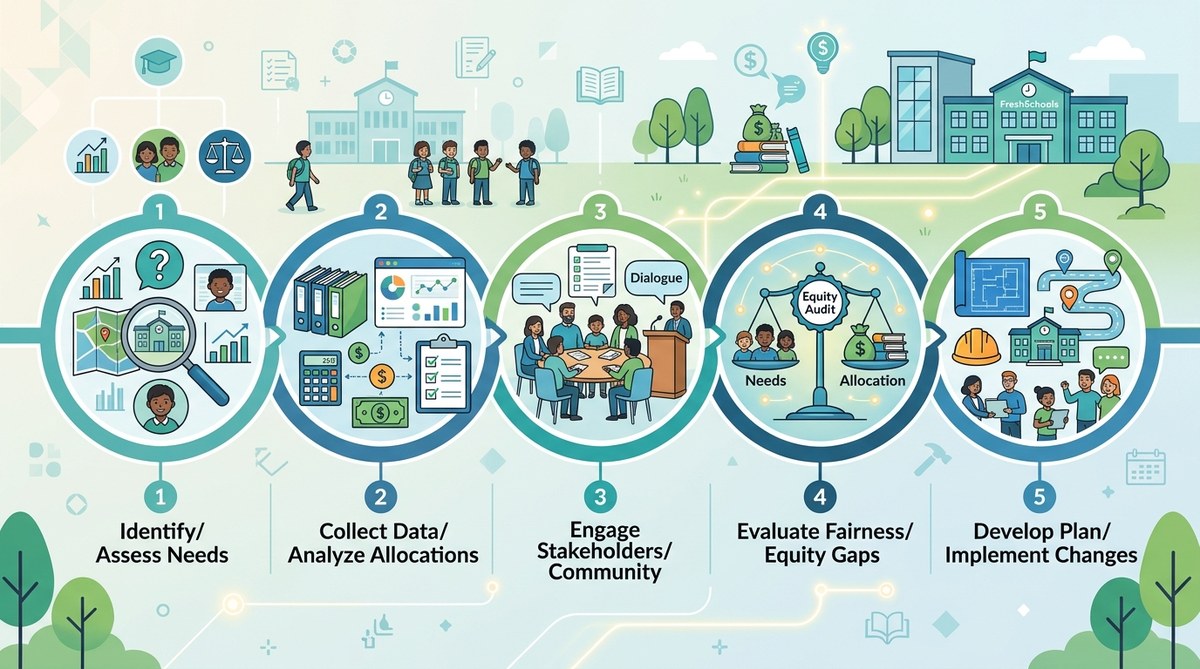
Form a diverse equity team. Include the librarian, an administrator, a DEI coordinator, teachers from different grade levels, and most importantly, students and families. Their input is non-negotiable.
-
Conduct a full audit. Use a spreadsheet to catalog every item in the library. Note the author, main character, genre, and year of publication. Look for patterns.
-
Gather student voice. Survey students. Ask them what they want to read. Ask them if they feel the library is for them. Be ready to hear hard truths.
-
Set measurable goals. Do not just say “add more diverse books.” Say “increase the percentage of books by Black authors from 5% to 20% by the end of the school year.”
-
Create a phased purchasing plan. You cannot fix everything at once. Prioritize the biggest gaps and spread purchases across the year.
-
Redesign the physical layout. Move shelves. Add new signage. Create a display that features student-created content.
-
Train your staff. Provide professional development on culturally responsive library practice. Show them how to recommend books to students of all backgrounds.
-
Evaluate and adjust. Re-audit your collection every semester. Track circulation data. Are students from all demographic groups checking out books? If not, find out why.
Common Mistakes and How to Avoid Them
Even with the best intentions, schools can make missteps. Here is a table that outlines common mistakes and the better approach.
| Mistake | Why It Hurts Equity | Better Approach |
|---|---|---|
| Adding a single “diverse” shelf | Segregates diverse voices instead of integrating them | Weave diverse books throughout the entire library |
| Only buying books about struggle | Pigeonholes characters of color into trauma narratives | Buy joyful stories, adventure stories, and love stories by diverse authors |
| Ignoring student input | Assumes adults know what students want | Run regular student surveys and focus groups |
| Forgetting about format diversity | Overlooks students with disabilities or language barriers | Purchase audiobooks, large print, and bilingual editions |
| Making it a one-time project | Treats equity as a checkbox instead of a practice | Schedule annual audits and ongoing professional development |
Expert Advice on Making the Shift
“A library is not just a room full of books. It is a mirror, a window, and a sliding glass door. When children cannot find themselves in the pages, they learn a dangerous lesson: that they do not belong in the story of learning.” — Dr. Rudine Sims Bishop, scholar of children’s literature
This quote has guided librarians for decades. In 2026, it is more relevant than ever. The physical act of redesigning a library is an act of justice. It tells every student that their story is part of the larger human story.
What Success Looks Like
When a school library redesign for equity is done well, you will see changes in student behavior.
- Circulation numbers will go up across all demographic groups.
- Students will linger in the library before and after school.
- Teachers will report that students are more excited about reading.
- Referrals for reading intervention may decrease as engagement increases.
One middle school in Oregon saw a 40% increase in library usage from students of color after they redesigned their collection and added a student advisory board. The principal noted that the library became the “living room” of the school. It was no longer a place students passed by. It was a place they chose to be.
Tying It All Together with School Policy
Redesigning a library does not happen in a vacuum. It works best when it is part of a larger commitment to equity. You can strengthen your efforts by aligning with broader school policies. For example, look at how your school is building school policies that support child wellbeing and equity. Your library should be a physical extension of those policies.
Additionally, consider how your library supports creating inclusive learning spaces that foster student engagement. The same principles of flexible seating, student voice, and representation apply across the entire campus. The library can be a model for the rest of the school.
Finally, think about the connection between library redesign and innovative approaches to closing education gaps for marginalized students. When students have access to materials that reflect their lives and aspirations, they are more likely to persist through challenges. The library becomes a tool for closing opportunity gaps, not just a place to check out books.
Start Small, Think Big
You do not need a million dollar renovation to make a difference. You can start tomorrow by moving one shelf, adding one new book display, or asking one student what they want to read. Each small action builds momentum. Over time, those actions transform the library from a storage room for old books into a vibrant, welcoming hub that celebrates every child in your building.
The research is clear. The moral imperative is clear. Your students are waiting. Take the first step today. Your library can be a place where every student finds not just a book, but a reflection of their own potential.