elias
elias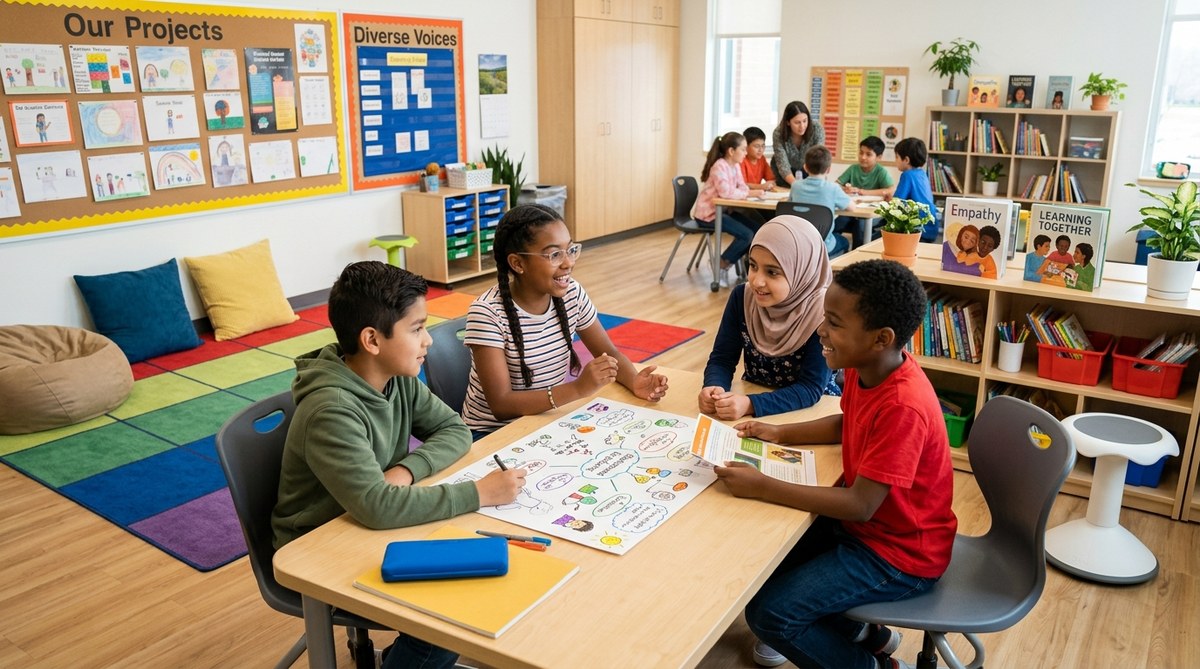
Creating inclusive learning spaces is more than just a trend; it’s a vital approach to ensuring every student feels valued, supported, and motivated to learn. When classrooms are designed with inclusivity at their core, they become vibrant hubs of engagement where diverse learners thrive. In this guide, we will explore how educators and school leaders can intentionally craft environments that promote belonging and active participation for all students.
Creating inclusive learning spaces involves intentional design, flexible teaching practices, and embracing diversity. By fostering a sense of belonging, educators can motivate all students to engage deeply and succeed academically.
Understanding the Foundations of Inclusive Learning Spaces
Creating truly inclusive classrooms begins with understanding what makes a learning environment welcoming and accessible for everyone. Inclusivity is about more than accommodating differences. It involves actively designing spaces that respect diversity, promote equity, and foster engagement.
An inclusive learning space considers various aspects such as physical layout, instructional practices, social-emotional climate, and cultural responsiveness. It requires educators to recognize each student’s unique assets and adapt their methods accordingly.
Practical Steps to Build Inclusive and Engaging Classrooms
Building inclusive learning environments is an ongoing process. Here are three key steps educators can take to foster engagement among diverse learners:
-
Assess and Understand Your Students
Know your students’ backgrounds, strengths, challenges, and interests. Use surveys, informal conversations, and observational tools to gather insights. This understanding helps in tailoring activities that resonate with students’ experiences. -
Design Flexible and Responsive Learning Spaces
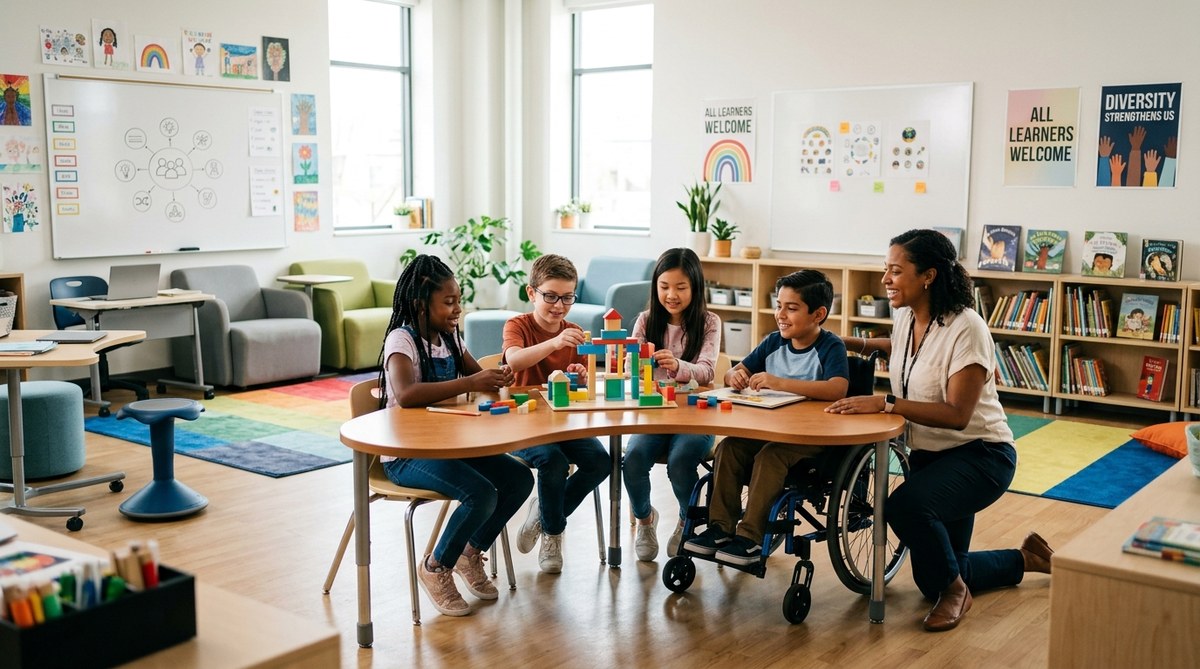
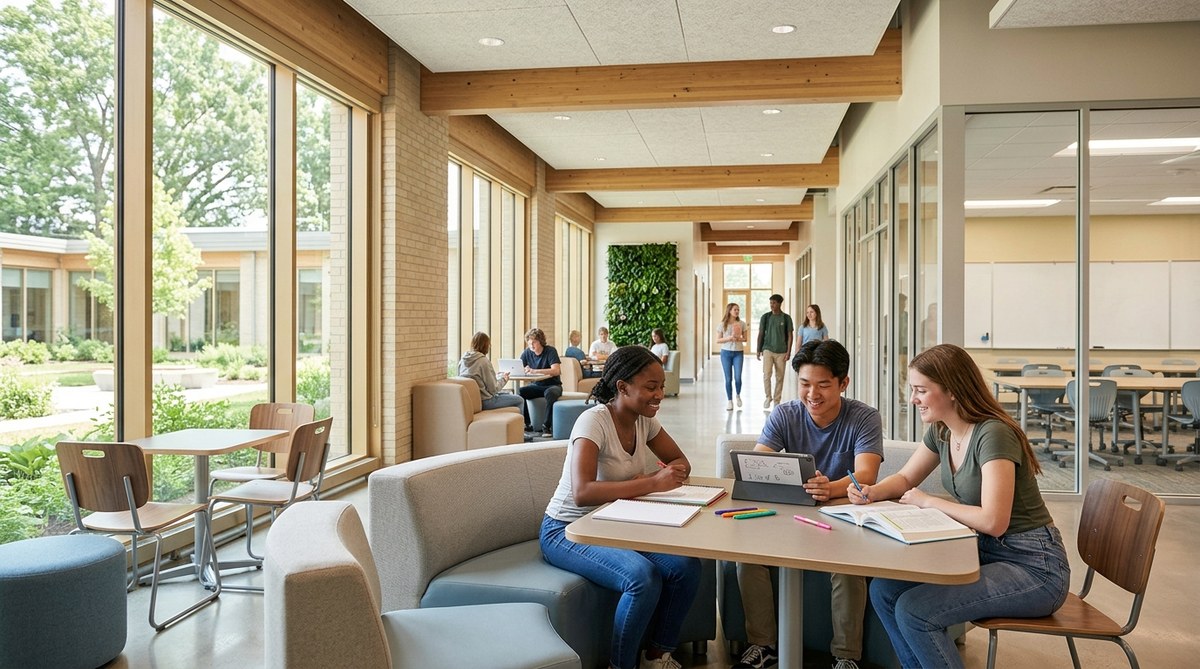
Arrange classrooms to support different learning styles and needs. Incorporate flexible seating, quiet zones, and collaborative areas. Use visual aids, manipulatives, and assistive technologies to make learning accessible. -
Implement Culturally Responsive and Differentiated Instruction
Use diverse materials and teaching strategies that reflect students’ cultures and interests. Differentiate tasks to meet varying skill levels, ensuring everyone can participate meaningfully.
Creating a Culture of Belonging and Respect
Fostering a sense of belonging is central to engagement. Students need to feel safe, respected, and valued. Here are ways to cultivate such a culture:
- Set clear community norms that promote kindness and respect.
- Celebrate diversity through multicultural activities and inclusive language.
- Encourage student voice by giving them opportunities to share their perspectives and influence classroom routines.
“A classroom that prioritizes belonging creates a foundation where students feel safe to take risks and participate actively,” advises Dr. Lisa Johnson, an expert in inclusive education.
Techniques for Effective Inclusion
| Technique | What It Does | Common Mistakes |
|---|---|---|
| Universal Design for Learning (UDL) | Provides multiple means of engagement, representation, and expression | Using a one-size-fits-all approach to instruction |
| Differentiated instruction | Tailors activities to different learning needs | Over-customizing and confusing students |
| Culturally responsive teaching | Connects lessons to students’ cultural backgrounds | Making assumptions about students’ experiences |
| Assistive technology | Supports students with disabilities | Relying solely on tech without instructional adaptation |
Overcoming Challenges in Inclusive Settings
Creating inclusive spaces can pose challenges such as limited resources, resistance to change, or diverse behavioral needs. Recognizing common pitfalls helps in developing effective strategies:
- Avoid applying a single approach to all students without considering individual differences.
- Ensure ongoing professional development to stay informed about inclusive practices.
- Foster collaboration among staff, families, and community partners to support diverse learners.
Techniques That Can Miss the Mark
| Mistake | Why It Fails | Better Approach |
|---|---|---|
| Relying only on accommodations | Can segregate students and limit interaction | Emphasize universal strategies that benefit all |
| Ignoring cultural differences | Leads to alienation | Incorporate culturally relevant materials and practices |
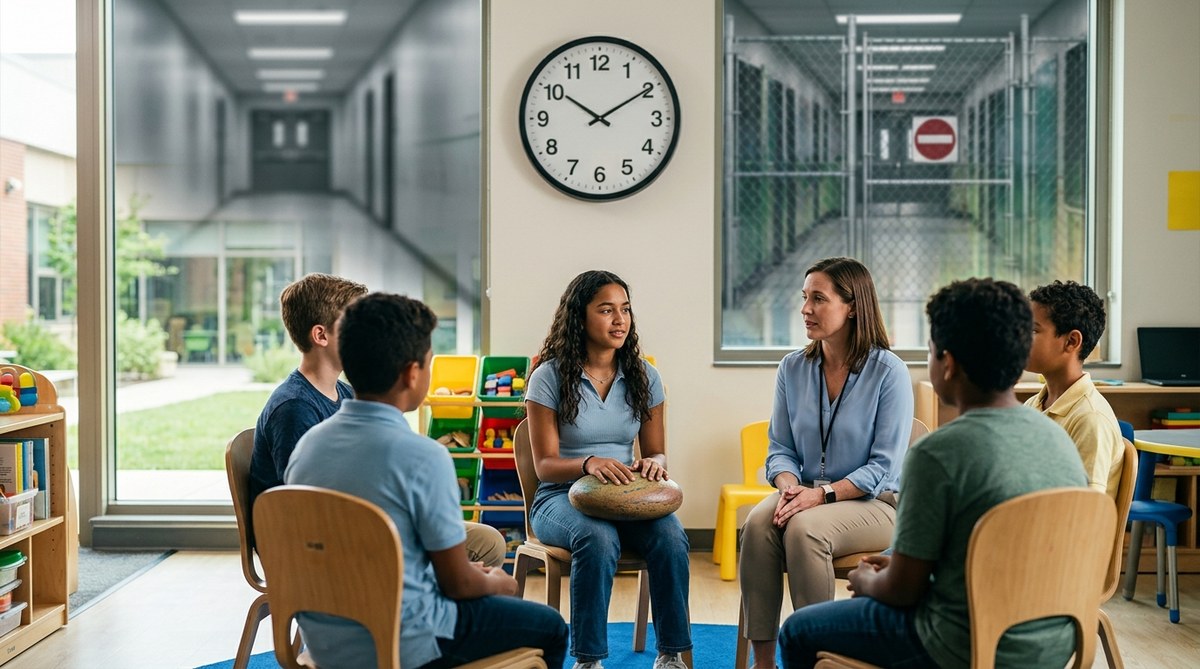
| Using punitive discipline | Creates fear and disengagement | Use restorative practices that build trust |
How to Keep Your Inclusive Approach Fresh and Effective
Continuously reflecting and adapting your strategies ensures your classroom remains inclusive and engaging. Consider these professional practices:
- Regularly gather feedback from students about what helps them learn best.
- Stay updated on research and new tools for inclusion.
- Collaborate with colleagues and specialists to share ideas and troubleshoot challenges.
“Designing learning environments that adapt to student needs is an ongoing journey. Flexibility and openness to change are your best tools,” emphasizes expert educator Maria Lopez.
Final Thoughts on Creating Learning Spaces That Truly Support All
Designing inclusive learning environments is not a one-time effort but a continual commitment. When classrooms are intentionally crafted to be accessible, respectful, and engaging, they become spaces where every student can succeed. Remember that fostering a culture of belonging benefits everyone — students, teachers, and the wider community.
Take time to evaluate your current practices, seek feedback, and implement small changes that make a big difference. Each step you take toward inclusivity strengthens the foundation for meaningful learning and lasting engagement.
By prioritizing diversity and belonging, you create a classroom where all students feel empowered to participate, learn, and grow. Your thoughtful efforts can transform education into a truly inclusive experience for every learner.