elias
elias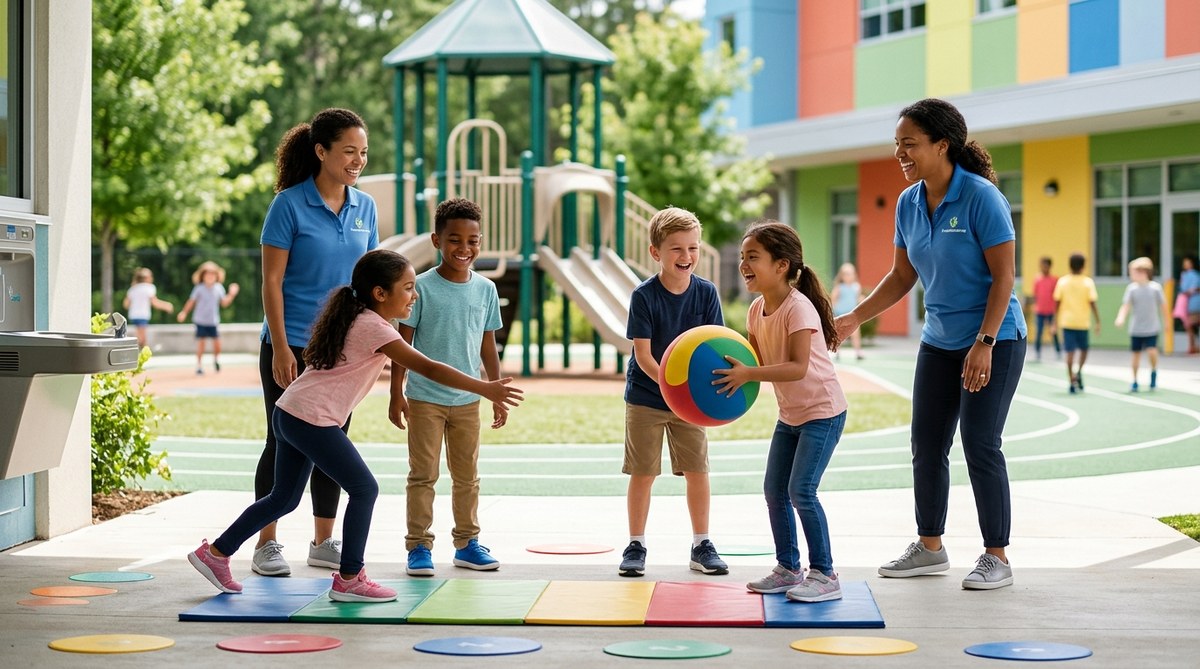
Creating a healthy school environment is vital for nurturing students’ mental and physical well-being. When schools prioritize health through well-designed programs, students are more engaged, resilient, and ready to learn. Implementing effective school health initiatives can transform learning environments and set students up for lifelong success. This guide will walk you through practical steps and proven strategies to develop or enhance school health programs that truly make a difference.
Developing school health programs to improve student well-being involves assessing needs, engaging stakeholders, designing comprehensive strategies, and continuously evaluating outcomes. These steps create supportive environments that foster mental and physical health, leading to better academic and social success for students.
Understanding the importance of school health programs
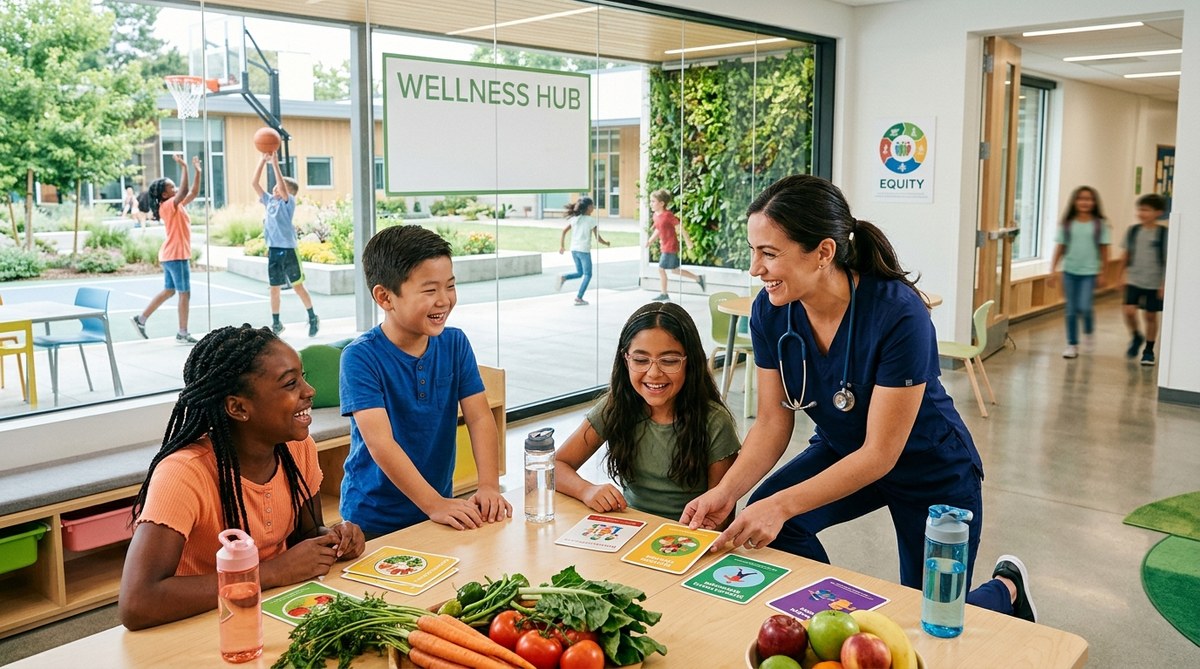
School health programs are designed to promote the overall wellness of students by integrating physical activity, mental health support, nutrition, and health literacy into daily school life. When well-implemented, these initiatives can reduce absenteeism, improve academic achievement, and foster positive social interactions. Schools serve as a natural setting to reach children and adolescents, making them ideal locations for health promotion.
Research shows that students with access to health programs perform better academically and are more likely to develop healthy habits early in life. These programs also support students facing mental health challenges, helping them cope with stress, anxiety, or depression. For policymakers and educators, investing in school health is a crucial step toward building healthier communities.
Key components of successful school health programs
Effective programs are comprehensive and tailored to the specific needs of each school community. They usually include several core elements:
- Health education that builds knowledge and skills
- Physical activity opportunities integrated into the school day
- Nutritional policies promoting healthy eating
- Mental health support and counseling services
- Policies fostering positive school climate and safety
- Family and community engagement
Combining these components creates a holistic approach that supports students’ overall well-being.
Practical steps to implement or improve school health programs
Implementing a successful school health initiative involves a systematic process. Here are key steps to guide your efforts:
1. Conduct a needs assessment
Start by gathering information about your students’ health needs and existing resources. Use surveys, focus groups, and health screenings to identify issues such as high rates of obesity, mental health concerns, or lack of physical activity. This data will inform your program priorities and help you tailor activities to address real challenges.
2. Engage stakeholders and build a team
Involve teachers, school nurses, counselors, parents, students, and community partners. Forming a dedicated team ensures diverse perspectives and shared ownership. Regular meetings and open communication foster collaboration and help sustain momentum.
3. Design a comprehensive plan
Based on your assessment, develop a plan that includes clear goals, activities, and policies. Integrate health education, physical activity, and mental health supports into your curriculum and daily routines. Set measurable outcomes to track progress over time.
4. Secure resources and funding
Identify funding sources such as grants, local government support, or community sponsorships. Leverage existing facilities and personnel, and consider partnerships with health organizations or local businesses. Resources are essential for sustainability.
5. Implement activities and policies
Roll out programs gradually, starting with pilot activities if needed. Promote healthy behaviors through classroom lessons, extracurricular activities, and modifications to the school environment. For example, introduce healthy snacks in cafeterias or establish a walking club.
6. Monitor, evaluate, and adapt
Regularly assess your program’s impact using surveys, attendance data, and health metrics. Solicit feedback from students and staff. Use this information to refine activities and address emerging needs. Continuous improvement ensures long-term success.
Techniques for effective school health programming
To maximize impact, consider adopting proven techniques such as:
- Incorporating social-emotional learning to boost mental health
- Creating peer support networks for students
- Establishing school-wide policies that prioritize health
- Using technology to engage students in health tracking and education
- Promoting active transportation like walking or biking to school
Common pitfalls and how to avoid them
| Mistake | How to avoid it |
|---|---|
| Lack of stakeholder buy-in | Involve staff, parents, and students early in planning |
| Insufficient funding | Seek diverse funding sources and demonstrate program value |
| Ignoring student input | Regularly gather feedback and adapt activities accordingly |
| Failing to evaluate | Set clear metrics and review progress routinely |
| One-size-fits-all approach | Tailor programs to your school’s unique community needs |
“A successful school health program is built on collaboration, data-driven decisions, and adaptability. When everyone works together, the positive effects ripple through the entire school community.” — School health expert
Creating a culture of wellness in your school
Embedding health into your school’s culture means more than isolated programs. It involves establishing policies that support healthy choices, training staff to promote wellness, and fostering an environment where students feel safe and valued. Here are some ideas:
- Incorporate health topics into classroom lessons regularly
- Celebrate health milestones and events like walk-a-thons or wellness weeks
- Train staff on mental health first aid and trauma-informed practices
- Create student-led health clubs or advocacy groups
- Engage families through workshops and newsletters
Measuring and sustaining success
Tracking your program’s effectiveness helps justify ongoing support and funding. Use a combination of qualitative and quantitative data such as student surveys, attendance records, health screenings, and academic performance. Regular reporting encourages accountability and highlights areas for improvement.
Sustainability depends on building strong partnerships and embedding health practices into everyday routines. Create policies that support ongoing funding, staff training, and community engagement. Recognize and celebrate successes to motivate continued effort.
Moving forward with school health initiatives
Developing effective school health programs to improve student well-being is an ongoing journey. It requires patience, collaboration, and constant adaptation. By prioritizing student health, schools lay a foundation for academic excellence and lifelong wellness.
Remember, small changes can lead to big improvements. Start by assessing your community’s needs and involving everyone in the process. With consistent effort and a focus on holistic well-being, your school can become a beacon of health and learning.
Building healthier schools for brighter futures
Supporting student well-being through well-crafted school health programs transforms the educational environment. It empowers students to thrive academically, socially, and emotionally. As educators and policymakers, your role is vital in fostering these supportive spaces. Take the first step today by engaging your school community and setting realistic goals. Together, you can create a culture where health and learning go hand in hand, shaping healthier futures for all students.