elias
elias
Every child deserves a fair start. But for too many students in the United States, the support they need arrives too late. The gap between those who get help early and those who wait is not just a delay. It is a divide that can shape a child’s entire academic journey. When we talk about closing opportunity gaps, we have to talk about timing. That is where equitable access to early intervention services becomes one of the most powerful tools we have.
Equitable access to early intervention services is not just a nice to have. It is a proven strategy for closing achievement gaps before they widen. When schools, districts, and policymakers invest in identifying and supporting young learners early, they reduce the need for costly special education later and improve long-term outcomes for every student.
Why Early Intervention Matters More Than Ever in 2026
The science is clear. A child’s brain develops fastest in the first few years of life. That window of rapid growth is also the best time to address learning differences, speech delays, social-emotional challenges, and other developmental concerns. Waiting until a child is in third grade or older often means playing catch up instead of building on a strong foundation.
For students in underserved communities, the stakes are even higher. Families in low income areas often have less access to pediatric screenings, quality preschool, and specialized support. That is why equitable access to early intervention services is not just an education issue. It is an equity issue.
Research from the past decade consistently shows that students who receive early support are:
- More likely to read at grade level by third grade
- Less likely to need intensive special education services later
- More confident in social settings and classroom participation
- More likely to graduate high school on time
These outcomes are not random. They are the direct result of timely, targeted help. And they are only possible when every family can access those services regardless of income, zip code, or background.
The Real Cost of Waiting
Many school leaders know that early intervention works. But budget constraints, staffing shortages, and competing priorities often push these programs to the side. The result is a system that waits for a child to fail before stepping in.
Consider this. A student who struggles with reading in kindergarten may not get evaluated until second grade. By then, the gap has grown. The student has already internalized frustration, avoided participation, and fallen behind peers. The cost of catching that student up is much higher than the cost of early screening and support.
Here is a simple comparison of two approaches:
| Approach | Timing | Typical Cost per Student | Likely Outcome |
|---|---|---|---|
| Reactive intervention | After failure is documented | Higher (due to intensive services) | Partial recovery, often with gaps |
| Proactive early intervention | At first sign of need | Lower (preventative, short term) | Strong recovery, grade level success |
| Universal screening | Before any delay is obvious | Lowest (routine check) | Early detection, minimal intervention needed |
The data is clear. The earlier we act, the less intensive and less expensive the support needs to be. That is why equitable access to early intervention services is not just good pedagogy. It is smart budgeting.
What Equitable Access Actually Looks Like
Equity is not the same as equality. Giving every school the same resources does not work if some schools serve students with greater needs. True equitable access to early intervention services means that support is distributed based on need, not just geography.
In practice, this looks like:
- Universal developmental screening in preschool and kindergarten
- Culturally responsive evaluation tools that reduce bias
- Staff trained to recognize early signs of learning differences
- Family engagement programs that help parents understand and request support
- Mobile or telehealth options for rural and remote communities
A district in rural Texas, for example, might partner with a university to offer virtual speech therapy. A city school in Chicago might use community health workers to connect families to early childhood screenings. Both are examples of equity in action.
A Step by Step Process for Building an Equitable Early Intervention System
If you are a school administrator or policymaker wondering where to start, here is a practical process that has worked in districts across the country.
-
Audit your current screening and referral pipeline. Find out where students are currently identified. Are there grade levels or demographic groups that are under referred? Look at data by race, income, and language status.
-
Remove barriers to referral. Many classroom teachers hesitate to refer a child because they worry about labeling or because the process is too complex. Simplify the referral form and provide training on why early action matters.
-
Invest in professional development. Teachers and aides need to know what early signs of dyslexia, speech delay, or social anxiety look like. Ongoing training builds confidence and reduces missed opportunities.
-
Create a family friendly intake process. If a family has to take three unpaid days off work to get an evaluation, many will not follow through. Offer evening and weekend slots, provide translation services, and meet families where they are.
-
Track outcomes and adjust. Use data to see which students are being served and how they are progressing. If a particular group is still being missed, go back to step one and dig deeper.
This process is not a one time fix. It is a cycle that needs regular attention. But districts that commit to it see real change within two to three years.
Common Mistakes That Undermine Equity
Even well intentioned programs can fall short. Here are some of the most common pitfalls when trying to achieve equitable access to early intervention services.
- Relying solely on teacher referrals without universal screening
- Using assessment tools that are not validated for diverse populations
- Requiring a formal diagnosis before offering any support
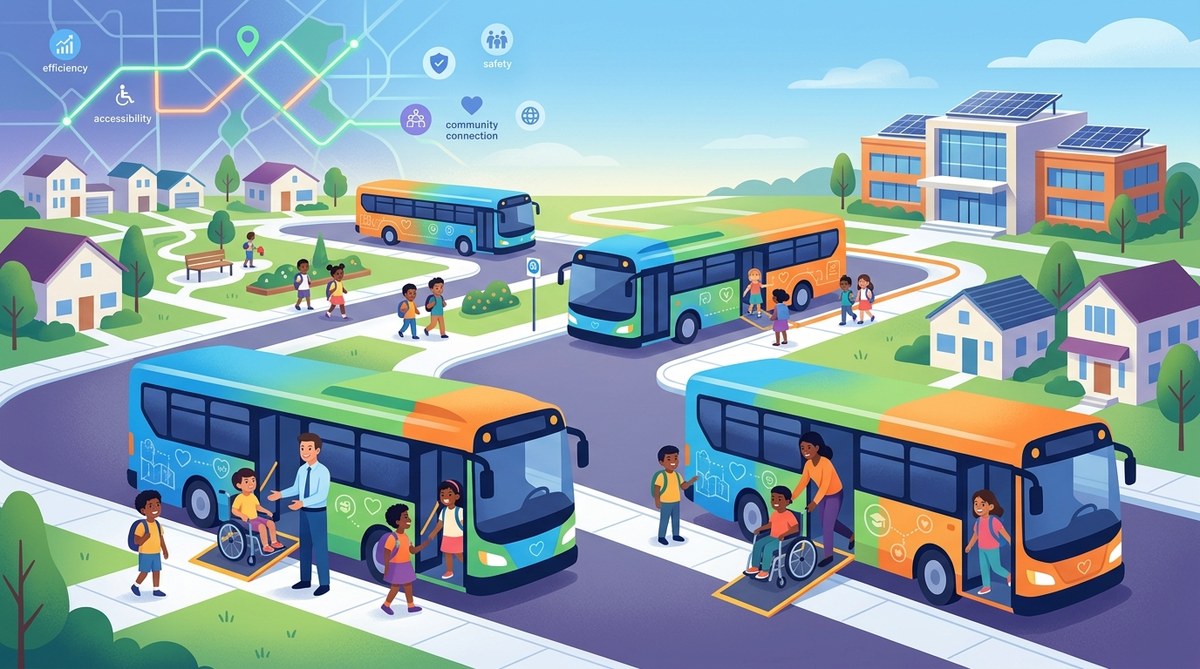
- Ignoring transportation and scheduling barriers for families
- Focusing only on academic delays while missing social emotional needs
Each of these mistakes creates a system that works well for some students but fails others. The goal is not just to offer services. It is to make sure the right students actually receive them.
“We cannot claim to care about student success if we only help the students who are easiest to reach. True equity means actively removing barriers, not just opening a door.” Dr. Maria Santos, early childhood policy advisor
How Policy Can Drive Change
Policymakers have a critical role to play. State and federal funding formulas often prioritize special education after a child has already been identified. Shifting some of that funding upstream to early screening and prevention would save money and improve outcomes.
In 2026, several states are experimenting with new approaches. Some are using Medicaid reimbursement for developmental screenings in schools. Others are creating early intervention task forces that cross traditional agency boundaries. These efforts recognize that a child’s health and education are connected.
If you are an advocate or policymaker, consider pushing for:
- Statewide universal screening mandates for kindergarten entry
- Grants for districts to train teachers in early identification
- Partnerships between schools and pediatric clinics
- Data sharing agreements that follow a child from preschool to third grade
These policy changes do not require massive new spending. They require rethinking how existing dollars are used.
The Role of School Environments
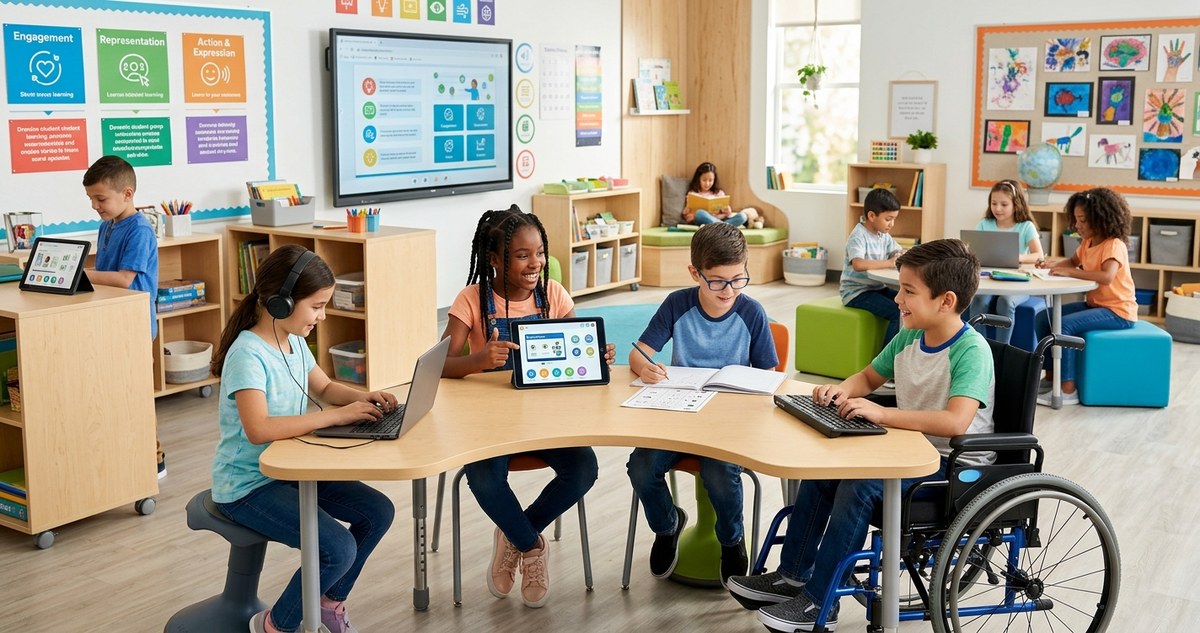
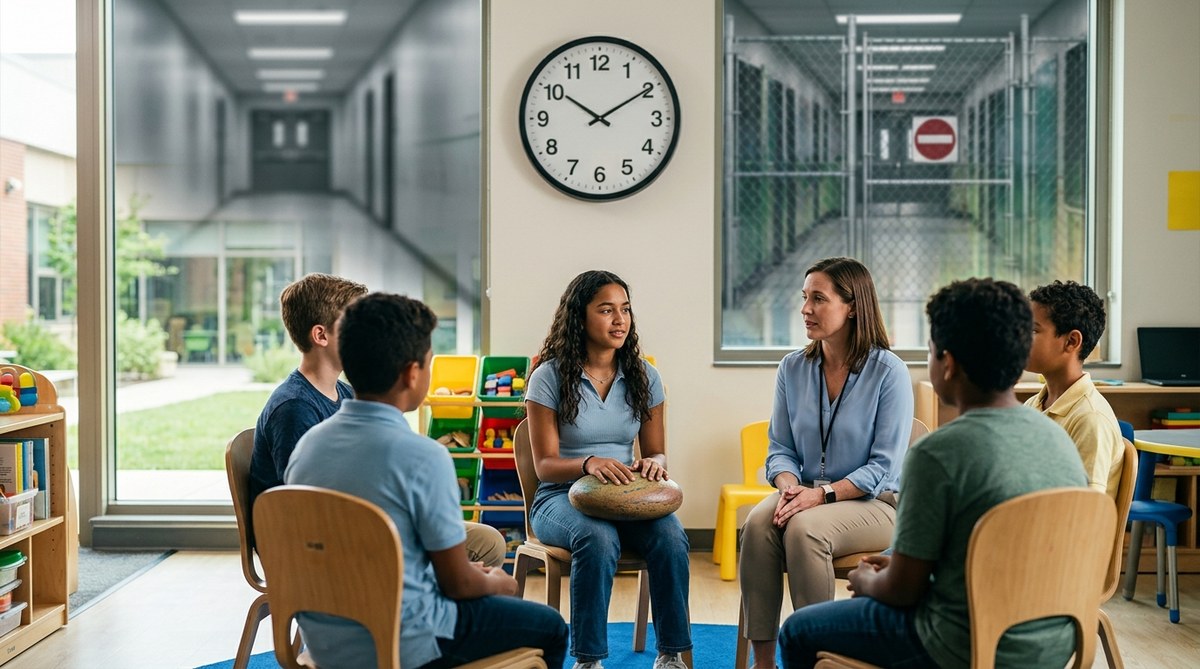
The physical and emotional environment of a school also plays a role in early intervention. A child who feels safe and supported is more likely to show readiness to learn. That is why equitable access to early intervention services must be paired with efforts to create inclusive, welcoming spaces.
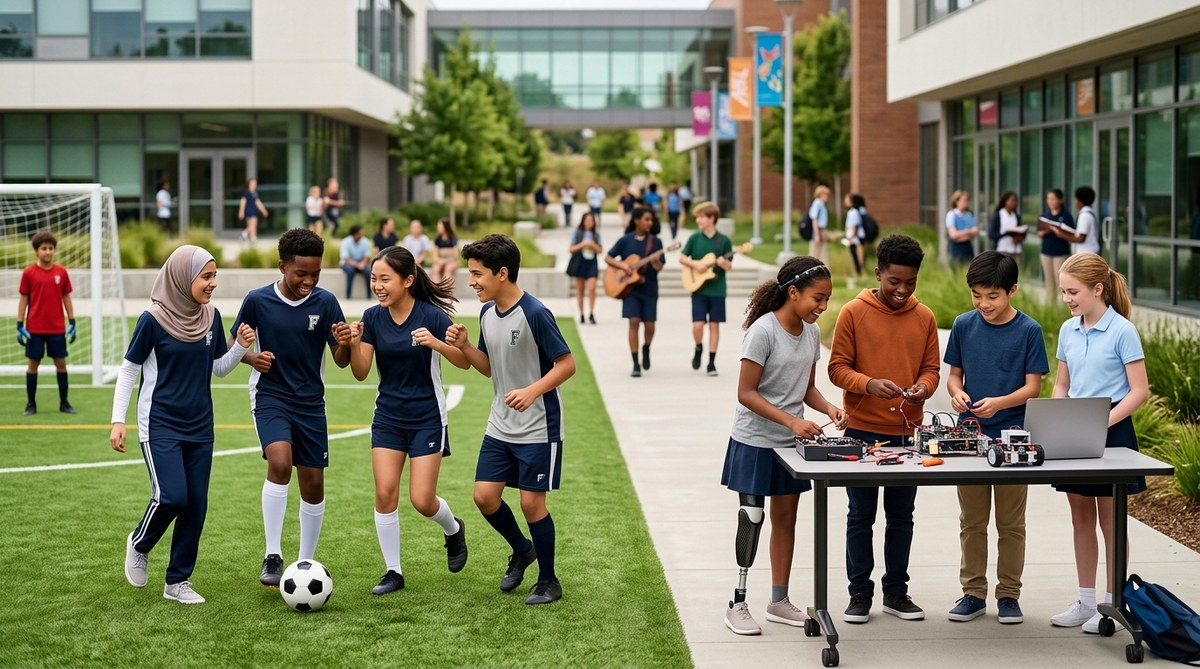
When schools invest in strategies to promote inclusive education for all students, they create a foundation where early intervention can thrive. Similarly, building school policies that support child wellbeing and equity ensures that the system is designed to catch every child before they fall through the cracks.
Classroom design, lighting, noise levels, and even the layout of a hallway can affect a child’s ability to focus and regulate emotions. These are not separate from early intervention. They are part of the same puzzle.
Looking Ahead: What Success Looks Like
Imagine a school where every kindergarten teacher has a simple checklist. They use it in the first six weeks of school. If a child shows a potential delay, the teacher immediately connects the family to a support team. No waiting. No red tape. No shame.
That team includes a speech therapist, a school psychologist, and a family liaison. They meet with the parents within a week. Together, they create a plan that might include classroom accommodations, at home activities, or short term pull out sessions.
By the end of first grade, that child is on track. They feel capable. They participate. They are not labeled as behind. They are simply a student who got the right help at the right time.
That is what equitable access to early intervention services makes possible. It is not a dream. It is a system we can build together.
Your Next Step
If you are reading this and wondering how your district measures up, start small. Pick one school. Look at one grade level. Find out which children are being referred and which are not. That single data point can tell you more than any policy document ever could.
Then, talk to the families. Ask them what barriers they face. Listen without defensiveness. Use what you learn to make one change. Then another.
Change does not have to happen all at once. But it has to start somewhere. For the students who are waiting, that somewhere cannot come soon enough.