elias
elias
Implementing effective education policies to promote equity and inclusion is essential for creating fair, supportive, and enriching learning environments. Schools and districts face the challenge of addressing disparities while fostering a culture where every student feels valued and has access to opportunities. Achieving this requires thoughtful planning, committed leadership, and ongoing evaluation. It’s about making sure policies are intentional, inclusive practices are embedded, and everyone involved is working toward a shared goal of fairness.
The path to equity and inclusion hinges on deliberate policy design, inclusive classroom practices, and continuous reflection. By following clear steps, schools can transform their environments into spaces where all learners thrive regardless of background or ability.
Understanding the importance of equitable and inclusive policies
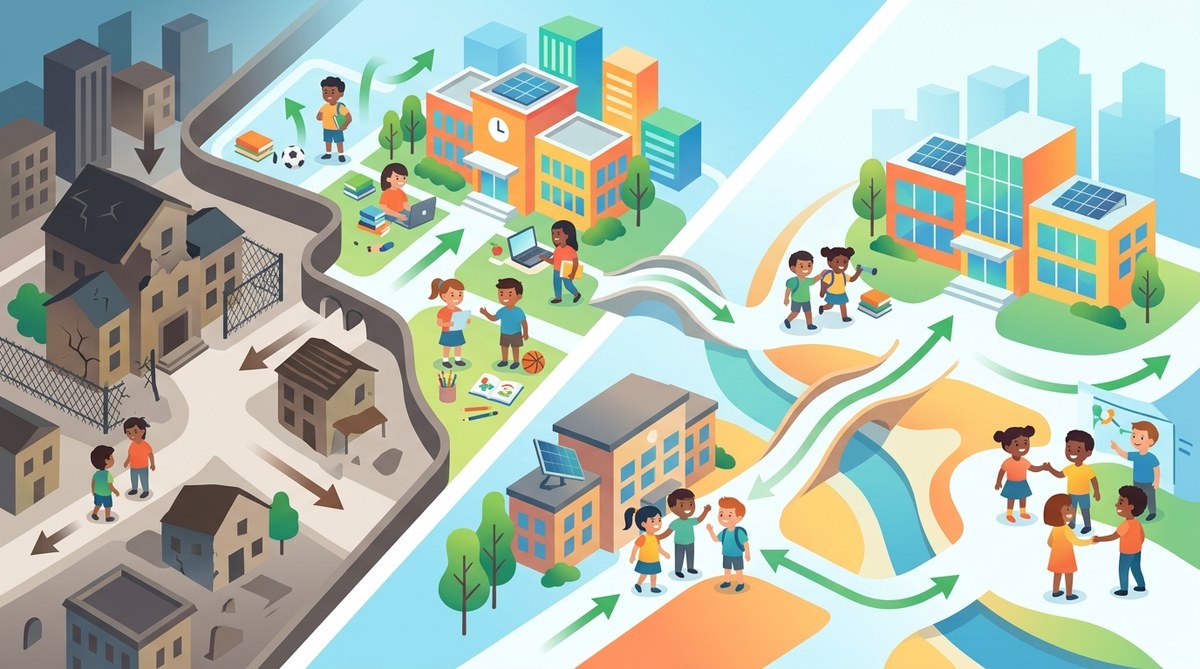
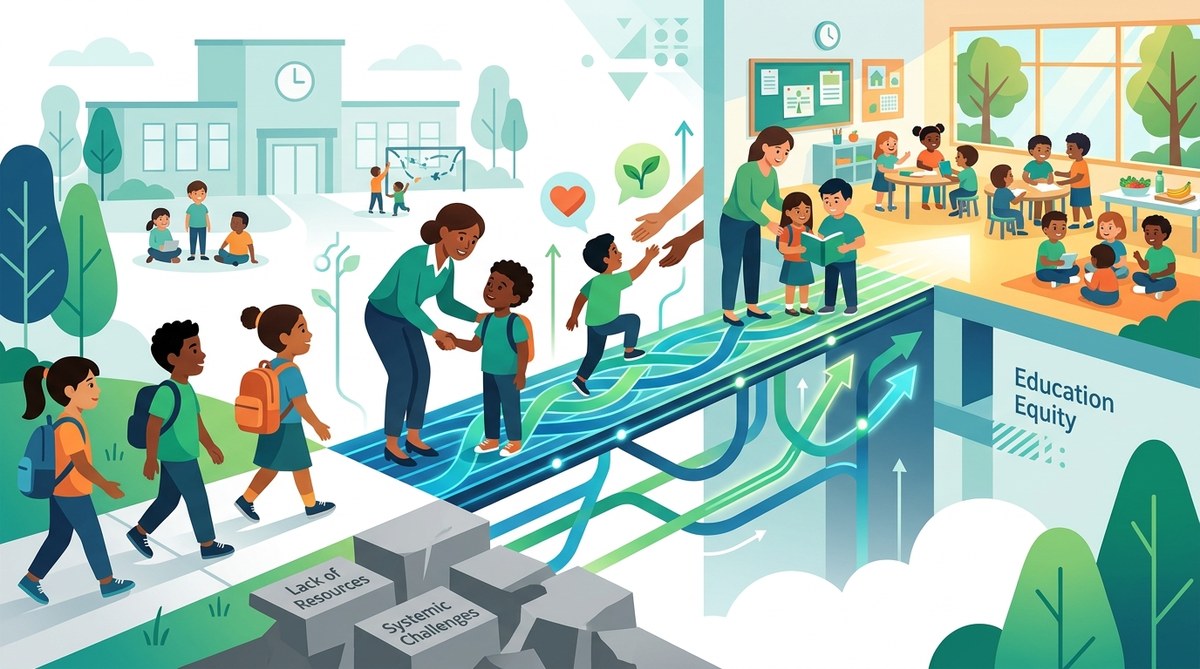
Creating policies that promote equity and inclusion starts with understanding the unique needs of diverse learners. Students come from varied cultural, socioeconomic, and linguistic backgrounds. Some face barriers like limited access to resources, language challenges, or systemic biases. Policies that recognize these differences set the foundation for meaningful change. When designed thoughtfully, they guide school practices, resource allocation, and community engagement toward fairness.
Practical steps for implementing effective education policies
To turn the vision of equitable and inclusive education into reality, schools and districts can follow these steps:
-
Assess current policies and practices
Begin by reviewing existing policies and classroom practices to identify gaps and areas for improvement. Engage staff, students, families, and community members to gather diverse perspectives. Use surveys, focus groups, and data analysis to understand where disparities exist. -
Set clear, measurable goals
Define specific objectives aimed at reducing inequities and fostering inclusion. Goals might include increasing representation of diverse staff, improving access to advanced coursework for underserved students, or decreasing disciplinary disparities. -
Develop targeted strategies and allocate resources
Design policies and practices that directly address identified gaps. For example, implementing culturally responsive teaching methods or providing professional development on bias awareness. Allocate resources to support these initiatives, such as funding for training or community partnerships. -
Implement inclusive policies with community involvement
Involve students, families, and community organizations in policy development. This collaboration ensures that policies are culturally relevant and meet actual needs. Communicate clearly about changes and gather feedback for continuous improvement. -
Monitor progress and adapt continuously
Use data to track the impact of policies. Regularly review indicators such as student achievement, discipline rates, and engagement levels across different groups. Be ready to adapt strategies based on what the data reveals.
Techniques for fostering equity and inclusion in schools
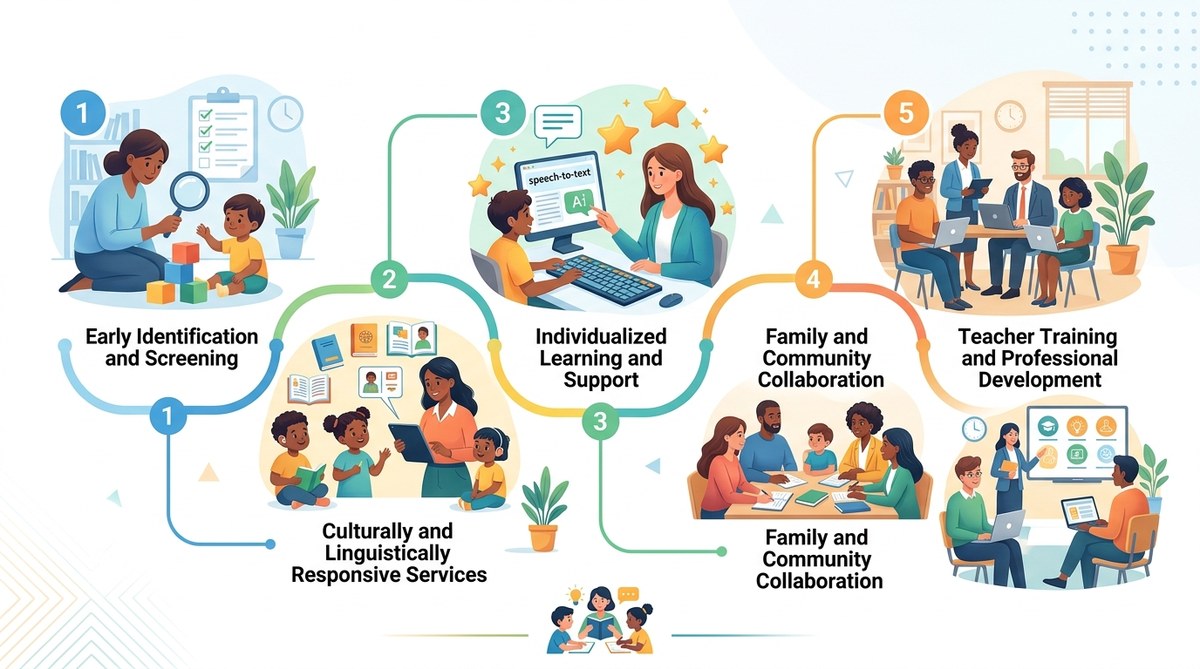
- Culturally responsive teaching: Incorporate students’ cultural backgrounds into curriculum and classroom interactions.
- Universal Design for Learning: Create flexible learning environments that accommodate diverse learning styles and needs.
- Bias training for staff: Provide ongoing professional development to recognize and challenge unconscious biases.
- Diverse hiring practices: Recruit staff from varied backgrounds to reflect the student population.
- Family and community engagement: Build strong relationships with families and local organizations to support student success.
Common pitfalls and how to avoid them
| Technique | Mistake | How to avoid it |
|---|---|---|
| Cultural responsiveness | Tokenism or superficial integration | Engage with communities to understand their cultures and involve them in curriculum design. |
| Bias training | One-time sessions with limited impact | Offer ongoing, interactive training with real-world scenarios and reflection. |
| Resource allocation | Ignoring disparities in underserved areas | Use data to direct resources where they are needed most and involve community stakeholders. |
“Effective equity policies are not just about changing rules. They require a mindset shift, ongoing reflection, and active community involvement,” emphasizes Dr. Sarah Johnson, an education equity expert.
Mistakes to watch out for during implementation
- Relying solely on policy changes without cultural shifts
- Ignoring student voice in decision-making processes
- Failing to provide adequate training and resources for staff
- Overlooking data collection to measure progress
- Assuming one-size-fits-all solutions work across diverse contexts
Measuring success and making adjustments
Tracking progress involves setting clear benchmarks. Use disaggregated data to see how different groups are affected. For example, monitor graduation rates, disciplinary actions, and access to advanced classes. Regular feedback sessions with students, staff, and families help reveal challenges. Use this information to refine policies, ensuring they respond to evolving needs.
Building a culture of inclusion
Policies alone cannot create change. Cultivating an inclusive school culture is vital. Promote shared values of respect, belonging, and fairness through classroom routines, school events, and leadership practices. Encourage students to voice their experiences and ideas. Recognize and celebrate diversity to foster a sense of community.
Final thoughts on practical implementation
Transforming educational environments into equitable and inclusive spaces is an ongoing journey. It requires commitment, patience, and a willingness to learn. Start by assessing your current policies and involving your community. Focus on actionable strategies, and don’t shy away from making adjustments as you learn what works best.
A collaborative approach for lasting impact
Creating equitable and inclusive schools benefits everyone. When policies are rooted in genuine community needs and backed by continuous effort, the results are lasting. Remember, every step forward is a step toward a future where all students can access the opportunities they deserve. Keep listening, adapting, and striving for fairness.
Making equity a daily practice in education
Implementing effective education policies that foster equity and inclusion is about more than policies on paper. It’s about embedding these principles into the everyday fabric of school life. By taking deliberate, thoughtful steps and engaging all stakeholders, educators can create environments where every learner feels seen, valued, and empowered to succeed.