elias
elias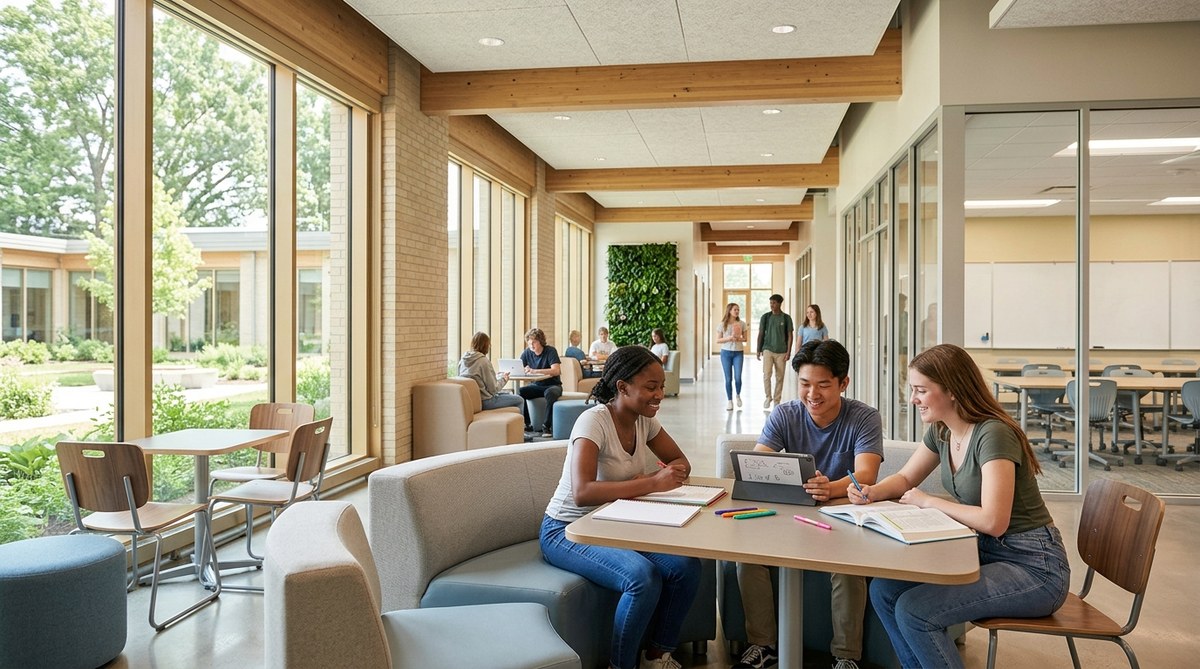
Creating a school environment that supports student well-being and boosts academic success goes beyond just choosing the right curriculum or hiring passionate teachers. The physical design of a school plays a pivotal role in shaping students’ mental health, engagement, and overall performance. Thoughtful school architecture can foster a sense of safety, promote focus, and encourage social interaction. When schools prioritize design elements that align with student needs, they set the stage for healthier, happier learners ready to thrive.
School design significantly influences student well-being and success. Incorporating natural light, flexible spaces, and calming environments can improve mental health, engagement, and academic outcomes. Thoughtful architecture benefits everyone involved in education, from students to staff and parents.
How school design influences student well-being and achievement
The environment where students spend most of their day impacts their mental health and learning capabilities. A well-designed school considers psychological, physical, and social factors. When students feel safe, comfortable, and motivated, they are more likely to excel academically and develop resilience.
Research shows that architecture affects stress levels, concentration, and social interaction. For example, classrooms with ample natural light and good ventilation can reduce anxiety and improve focus. Conversely, poorly planned spaces may contribute to fatigue, distraction, or feelings of confinement, which hinder learning.
Design choices such as color schemes, acoustics, and layout can either promote calmness or create chaos. Schools that prioritize human-centered design foster an environment where students can thrive both academically and emotionally.
Key design elements that support student health and success
Natural light and ventilation
Access to daylight is one of the most impactful design features. Natural light boosts serotonin, which can improve mood and energy levels. It also helps regulate circadian rhythms, leading to better sleep patterns. Schools with large, strategically placed windows create a more inviting and healthful atmosphere.
Proper ventilation ensures fresh air circulation, reducing indoor pollutants and dampness. Good airflow is linked to fewer headaches, better concentration, and overall wellness. Incorporating operable windows, skylights, and air filtration systems is essential.
Flexible and adaptable spaces
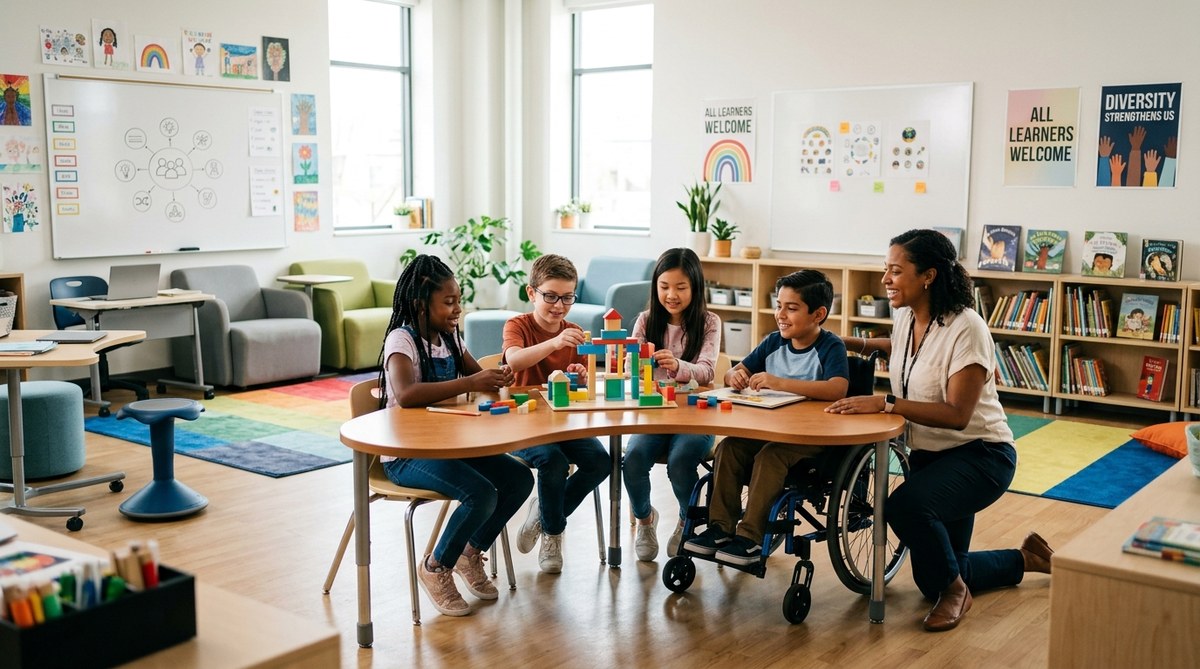
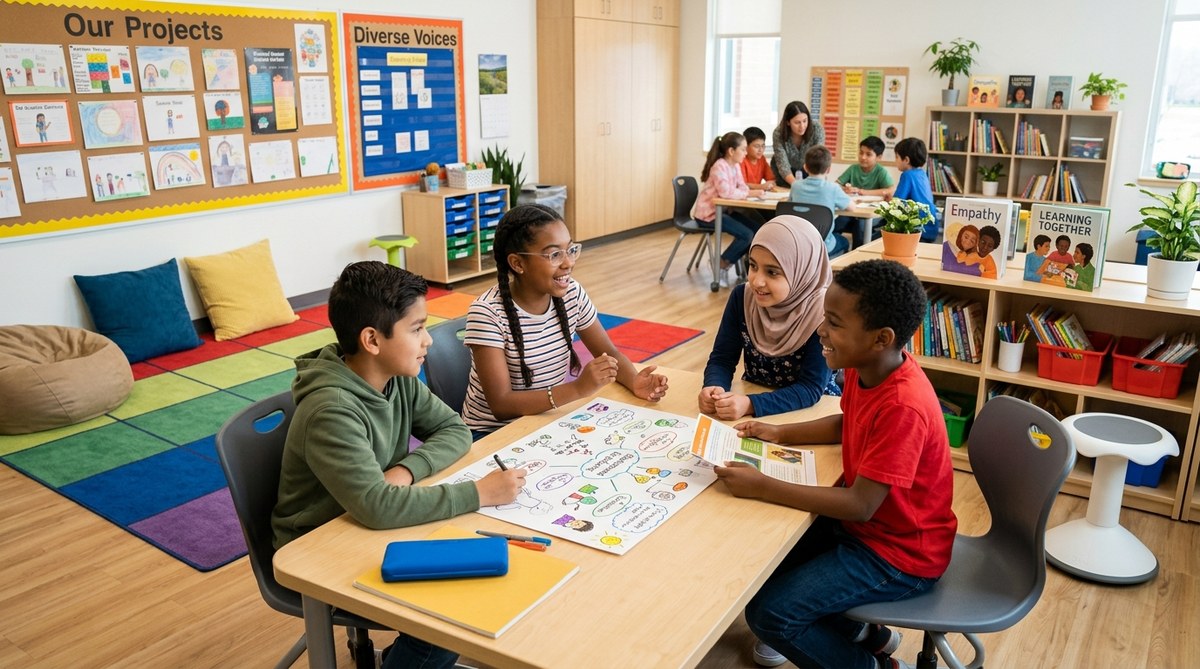
Classrooms that can be reconfigured support different teaching styles and student needs. Movable furniture and partitioned areas allow for group work, quiet study, or hands-on activities. Flexibility reduces stress and encourages creativity.
Designing multi-purpose spaces like libraries, makerspaces, or outdoor classrooms provides variety and reduces monotony. These environments foster engagement and help students develop skills like collaboration and problem-solving.
Calming colors and textures
Colors influence mood and behavior. Soft, muted tones such as blues, greens, and earth shades create a sense of calm. Bright colors can energize but should be used thoughtfully to avoid overstimulation.
Textures also matter. Natural materials like wood or cork add warmth and reduce noise, contributing to a soothing environment. Avoiding harsh surfaces and clutter helps maintain a peaceful setting conducive to learning.
Acoustic comfort
Noise pollution can impair concentration and increase stress. Good acoustic design minimizes background noise and echoes. Installing sound-absorbing materials, like carpets or acoustic panels, helps create a quieter space.
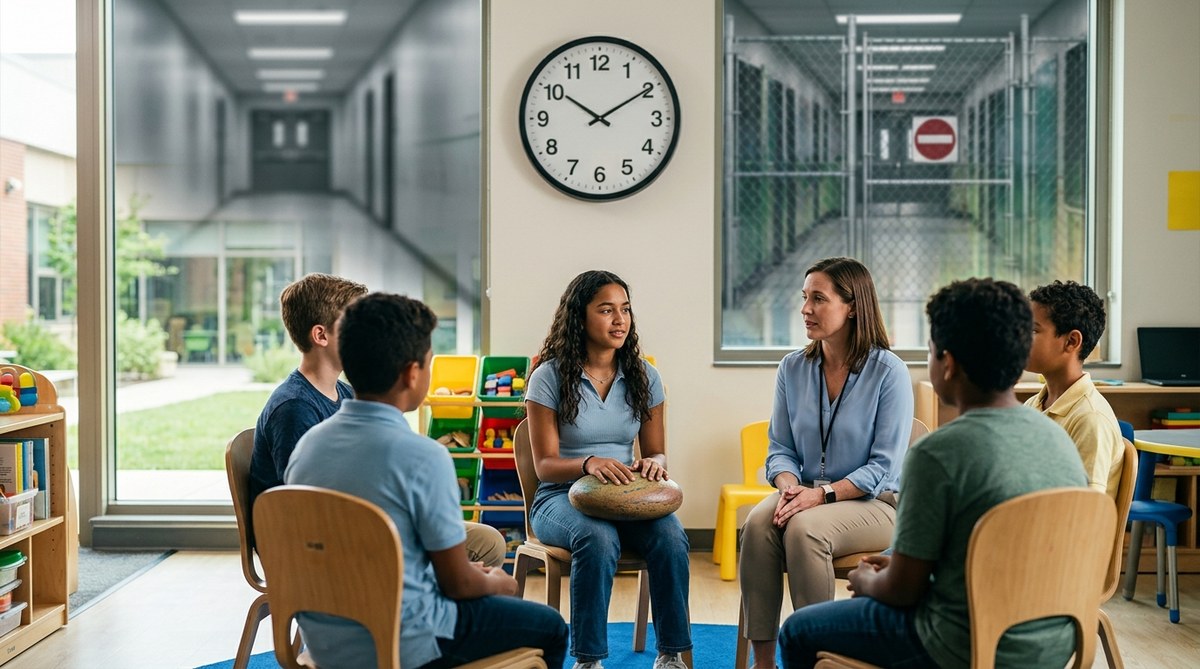
Quiet zones for independent work or relaxation are vital. When students can find areas to focus or recover, their overall well-being improves.
Connection to nature
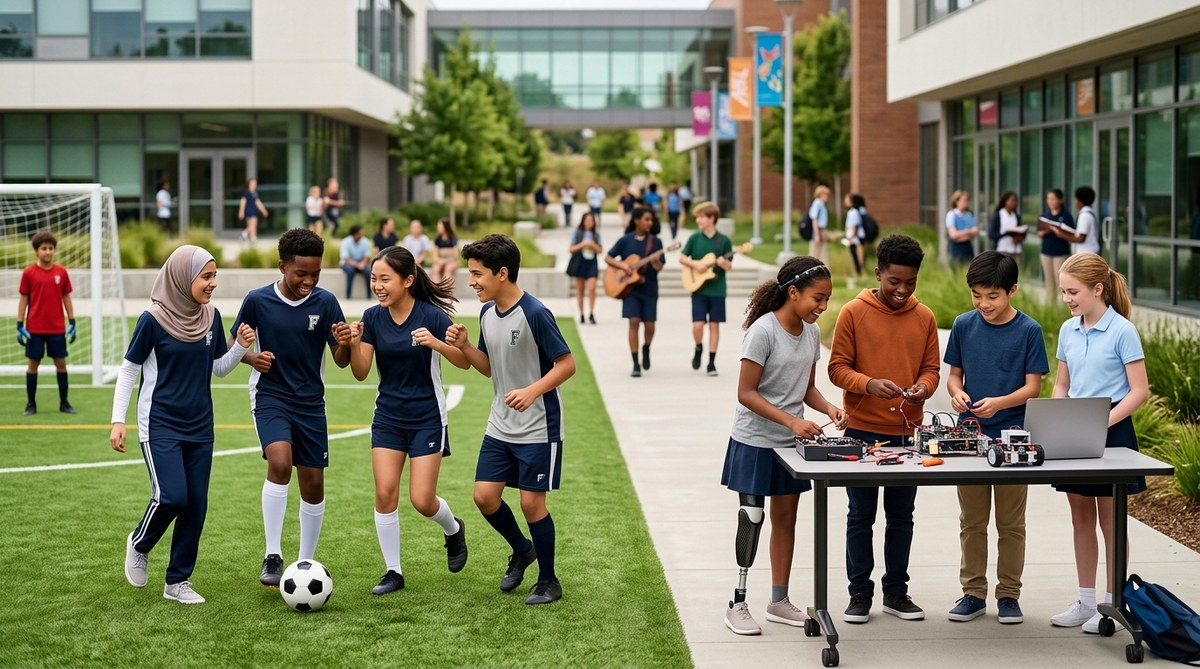
Biophilic design brings elements of the outdoors inside. Indoor plants, views of greenery, and natural materials improve air quality and foster a sense of calm. Outdoor spaces like gardens or green courtyards offer opportunities for movement and socialization.
Connecting students with nature reduces stress and boosts mood. Schools that integrate natural elements into their design promote overall health and academic engagement.
Practical steps to improve school design for student success
- Assess the current environment by gathering feedback from students, teachers, and parents about comfort, safety, and functionality.
- Prioritize natural light and ventilation in renovation or new construction projects, ensuring windows are accessible and operable.
- Create adaptable spaces with movable furniture and multi-use areas to support diverse learning styles.
- Use calming colors and natural textures to foster a peaceful atmosphere that encourages focus and relaxation.
- Incorporate outdoor and biophilic elements to connect students with nature and provide additional learning environments.
- Implement acoustic solutions to reduce noise and improve concentration.
- Design for safety and inclusivity, ensuring all students feel comfortable and supported regardless of their needs.
Common pitfalls to avoid in school design
| Technique | Mistake to Avoid |
|---|---|
| Overcrowding | Packing too many students into small spaces, increasing stress and reducing focus. |
| Poor lighting | Relying heavily on artificial lighting without natural light, leading to fatigue. |
| Inflexible layouts | Designing spaces that cannot adapt to different teaching methods or student needs. |
| Harsh colors | Using overly bright or dark colors that induce anxiety or fatigue. |
| Noise neglect | Ignoring acoustics, resulting in distracting or stressful environments. |
Expert advice on designing healthier schools
“Creating a learning environment that supports student well-being requires thoughtful attention to light, acoustics, and connection to nature. When these elements are prioritized, students feel more engaged, less stressed, and perform better academically,” emphasizes architect Laura Jensen, who specializes in educational spaces.
Practical techniques versus common mistakes
| Technique | Mistake to Avoid |
|---|---|
| Maximizing daylight | Overlooking window placement or shading, causing glare or heat gain. |
| Incorporating outdoor spaces | Neglecting maintenance or visibility, making outdoor areas underused. |
| Using natural materials | Choosing low-quality or inappropriate materials that degrade quickly. |
| Designing for flexibility | Failing to consider future needs or technological integration. |
How to start transforming your school environment
- Gather input from students, staff, and parents about what works and what doesn’t.
- Identify priority areas like classrooms, common spaces, or outdoor zones needing improvement.
- Develop a plan that integrates natural light, flexible furniture, calming colors, and outdoor connections.
- Partner with professionals such as architects and interior designers experienced in educational environments.
- Implement changes gradually to minimize disruption and allow for adjustments based on feedback.
Building a better future for students through design
Designing schools that prioritize student well-being and success is an investment in the future. When environments promote safety, comfort, and engagement, students are more likely to develop resilience, social skills, and a love for learning. Every choice, from lighting and furniture to outdoor spaces, shapes their experience and outcomes.
Creating spaces that support diverse needs and foster positive emotions enhances the entire educational community. Think of each design decision as a step toward nurturing healthier, happier, and more successful learners.
A welcoming space for growth and learning
Focusing on thoughtful school design can transform the educational experience. Practical improvements like increasing natural light, creating adaptable spaces, and connecting with nature are accessible steps that make a real difference. As educators, architects, or parents, your role in shaping these environments is vital. By prioritizing well-being through architecture, you help cultivate a generation of confident, resilient students ready to meet tomorrow’s challenges.