elias
elias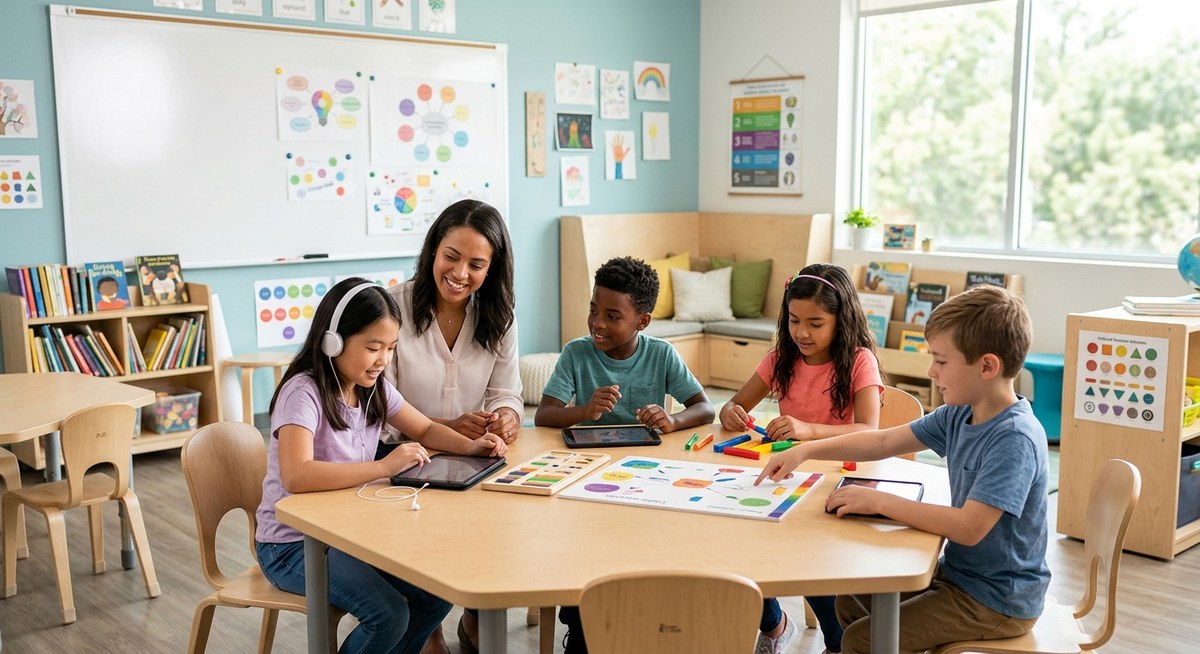
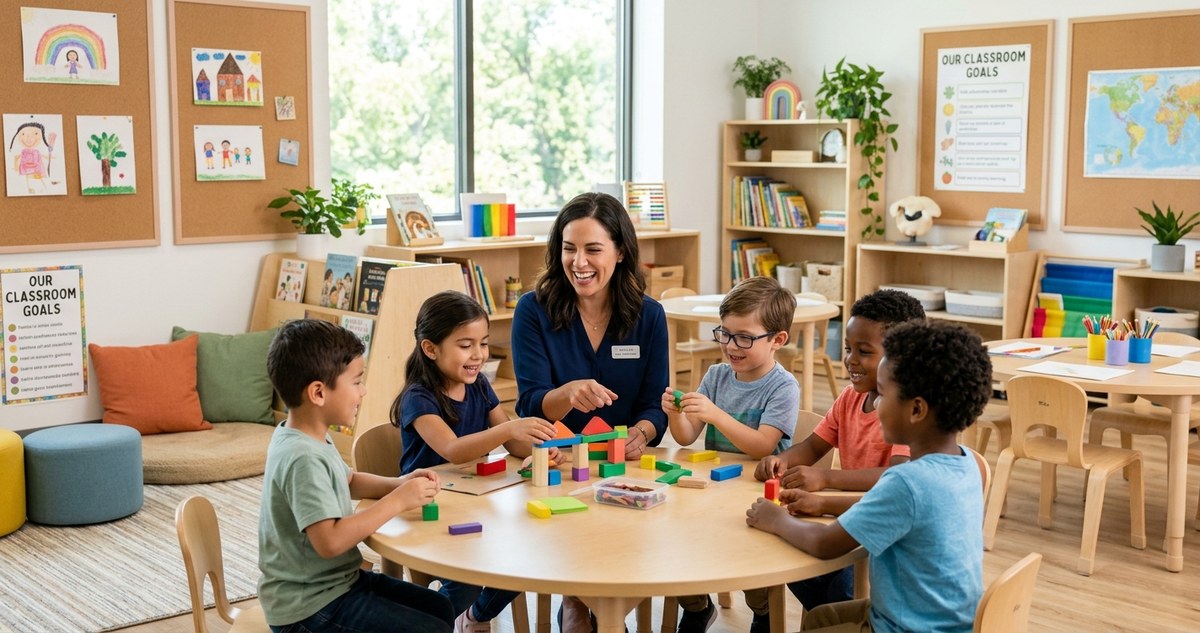
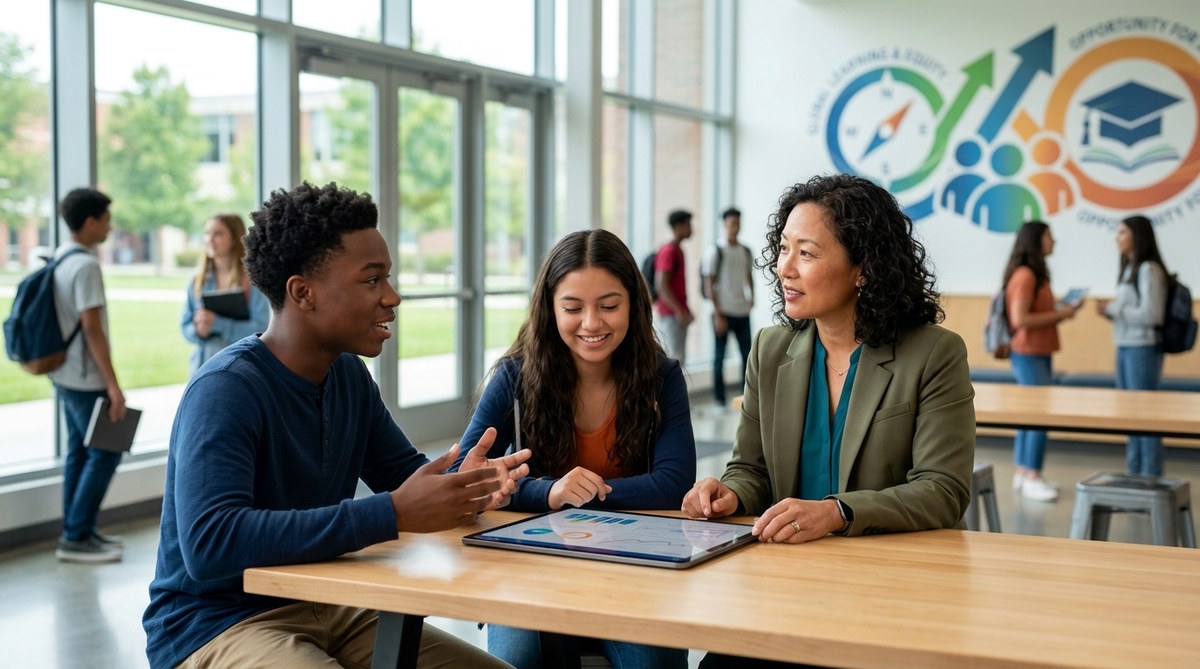
Creating an inclusive classroom goes beyond simply accommodating students with different needs. It’s about actively designing learning environments where all students can thrive, participate, and feel valued. Teachers today face the challenge of meeting diverse learning styles, abilities, and backgrounds while keeping students engaged. Implementing innovative teaching strategies can transform your classroom into a vibrant, inclusive space that promotes equity and fosters a sense of belonging for every learner.
Modern inclusive classrooms thrive on innovative teaching strategies that accommodate diverse learners, foster engagement, and create a supportive environment. Practical methods like differentiated instruction, universal design for learning, and collaborative techniques help teachers meet varied needs and promote student success. Embracing these approaches leads to more equitable and dynamic learning experiences for all students.
Understanding the Need for Innovative Strategies in Inclusive Classrooms
Traditional teaching methods often fall short when addressing the wide spectrum of student abilities and backgrounds. To genuinely support inclusion, educators must adopt fresh approaches that actively promote participation. Innovative strategies are designed to be flexible, adaptable, and centered on the learner, making them ideal for today’s diverse classrooms.
Why innovation matters in inclusive education
Inclusion requires more than just physical presence. It demands engagement, understanding, and personalized support. Innovative teaching methods help bridge gaps by tailoring instruction, integrating technology, and fostering collaborative learning. They shift the focus from teachers delivering content to students actively constructing knowledge in ways best suited to their needs.
Practical Strategies to Foster Inclusion Through Innovation
Here are some of the most effective approaches for creating inclusive, engaging classrooms that support all learners.
1. Personalize Learning with Differentiated Instruction
Differentiated instruction involves tailoring lessons to meet individual student needs. Teachers can modify content, process, or products based on learners’ readiness, interests, and learning profiles. For instance, providing visual, auditory, and hands-on activities ensures that students engage in ways that suit them best.
2. Incorporate Universal Design for Learning (UDL)
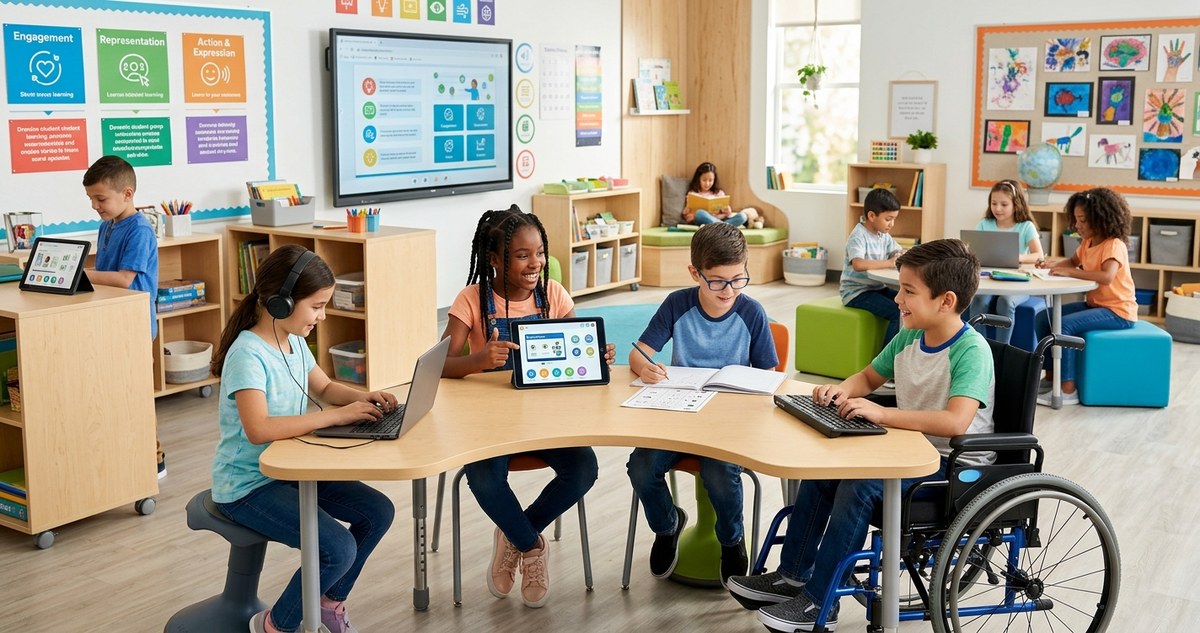
Universal Design for Learning (UDL) is a framework that encourages flexible curriculum design. It aims to remove barriers by offering multiple means of engagement, representation, and expression. For example, using captions on videos, providing alternative assignments, or allowing students to choose how they demonstrate understanding supports diverse learners seamlessly.
3. Foster Collaborative and Co-Teaching Models
Collaborative teaching involves pairing special educators with general classroom teachers. This model promotes shared responsibility and diverse instructional methods. Co-teaching strategies such as team teaching, station rotations, or parallel teaching enable more personalized support and varied perspectives, benefiting all students.
4. Leverage Technology for Inclusive Learning
Technology offers endless possibilities for customizing instruction. Tools like speech-to-text apps, interactive whiteboards, and learning management systems help cater to different learning styles. For example, using multimedia presentations can engage visual and auditory learners simultaneously while supporting students with disabilities.
5. Cultivate a Growth Mindset and Respectful Classroom Culture
Encouraging a growth mindset helps students see challenges as opportunities to learn. Teachers can foster respect through open conversations about diversity and inclusion, establishing classroom norms that value every voice. This creates a safe space where students feel comfortable sharing their perspectives.
6. Use Culturally Responsive Pedagogy
Culturally responsive teaching integrates students’ cultural backgrounds into lessons. This approach validates their identities and makes learning more relevant. Incorporate diverse texts, examples, and discussion topics to reflect the interests and experiences of all students.
7. Implement Flexible Assessment Methods
Offering various ways for students to demonstrate their understanding caters to different abilities. Options might include oral presentations, visual projects, or digital portfolios. This flexibility allows students to showcase their strengths and reduces anxiety around traditional tests.
Analyzing Common Pitfalls and How to Avoid Them
| Technique | Mistake | How to Avoid |
|---|---|---|
| Differentiated instruction | Overloading with multiple modifications | Focus on key adjustments that truly support individual needs |
| Universal Design for Learning | Implementing superficial changes | Deeply understand UDL principles and embed them intentionally |
| Technology use | Over-reliance on devices or tools | Balance tech with face-to-face interactions and hands-on activities |
| Culturally responsive pedagogy | Tokenism or superficial inclusion | Engage with communities and incorporate authentic voices |
“Inclusion is not just about accessibility but about creating a learning environment where every student feels they belong and can succeed,” emphasizes Dr. Lisa Johnson, an expert in inclusive education. Incorporating innovative strategies requires continuous reflection and adaptation, but the payoff is a classroom where diversity is celebrated and every learner flourishes.
How To Start Transforming Your Classroom Today
Implementing innovative teaching strategies doesn’t require a complete overhaul. Start small and build momentum:
- Assess your current practices and identify areas for growth.
- Incorporate one new approach at a time, such as using multimedia tools or flexible assessments.
- Seek feedback from students about what works best for them.
- Collaborate with colleagues to share ideas and resources.
- Access online resources and communities dedicated to inclusive teaching.
Building a Classroom That Celebrates Diversity and Fosters Success
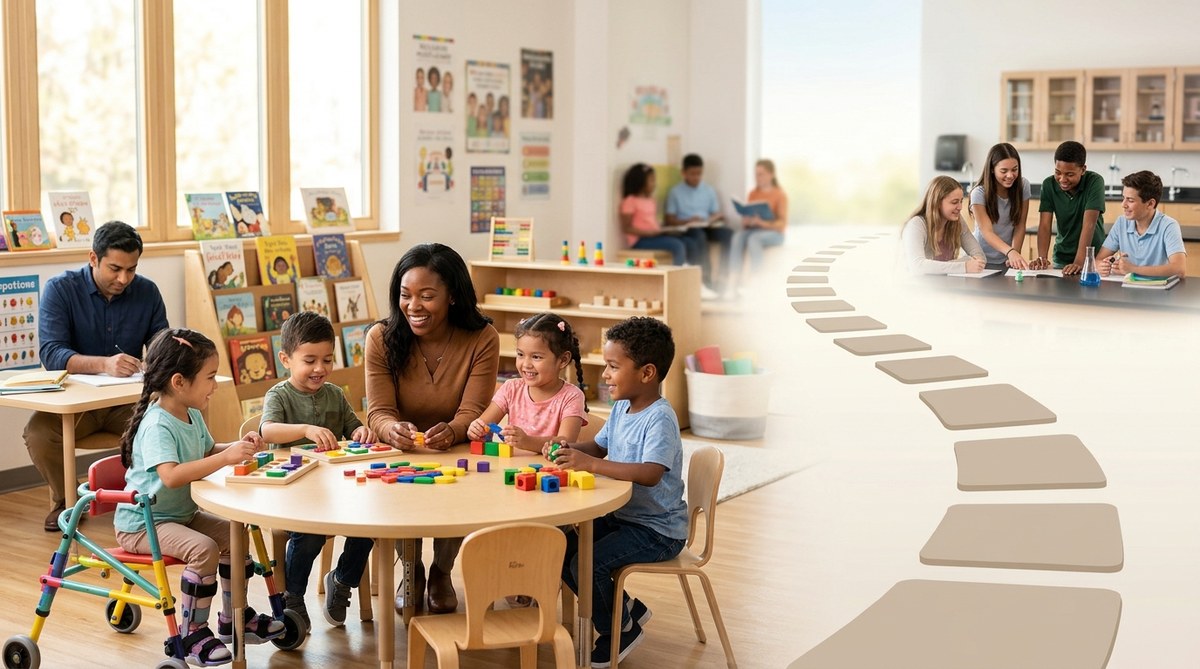
Creating an inclusive classroom is an ongoing journey. It involves continuous learning, experimentation, and reflection. By embracing innovative teaching strategies, you can craft a learning environment where all students feel valued, supported, and motivated to succeed. Remember, the goal is to make every student’s voice heard and every learner’s potential realized.
Let these methods inspire you to adapt your teaching and meet your students where they are. When you foster a culture of inclusion, you empower students to reach heights they never imagined possible.