elias
elias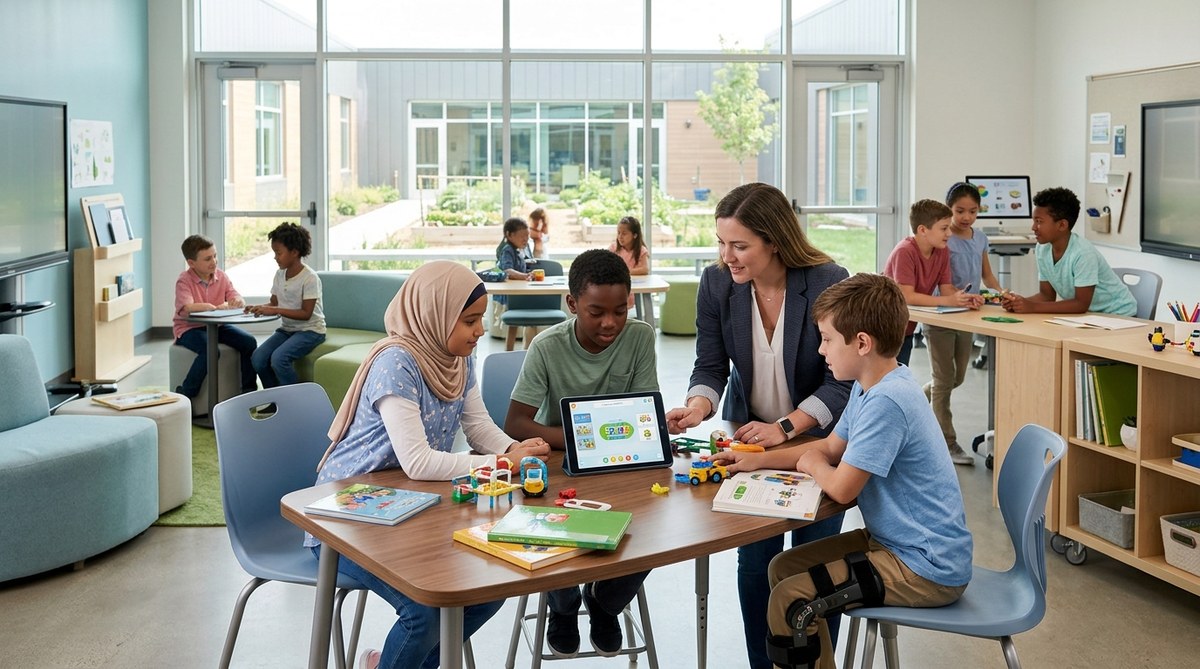
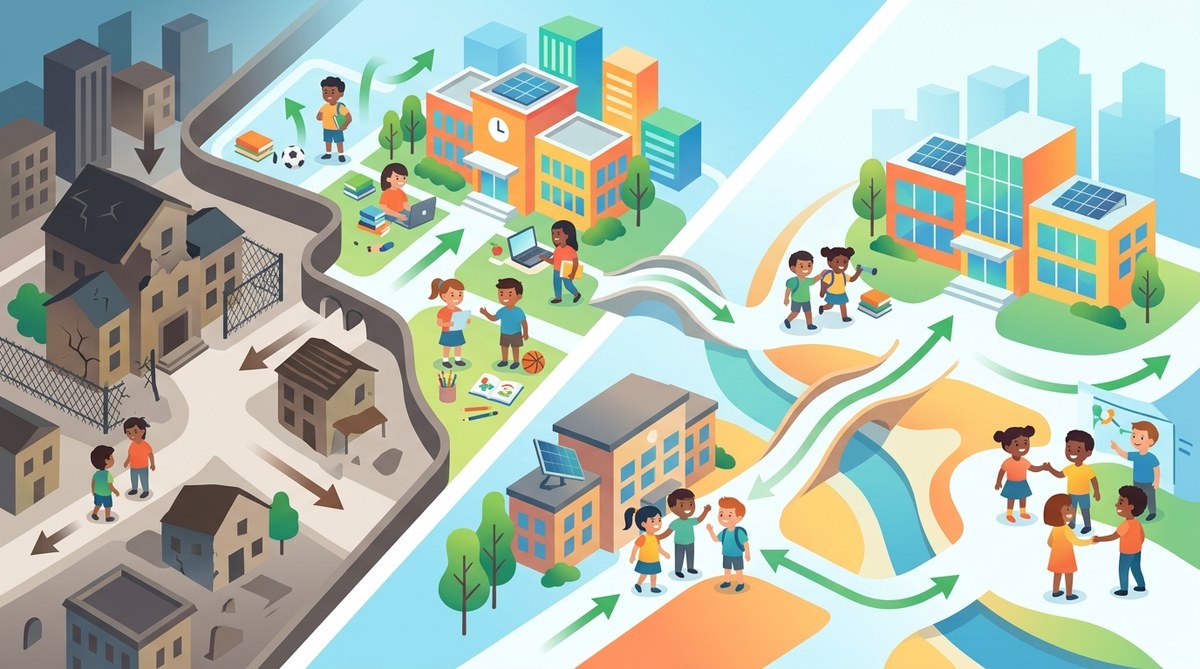
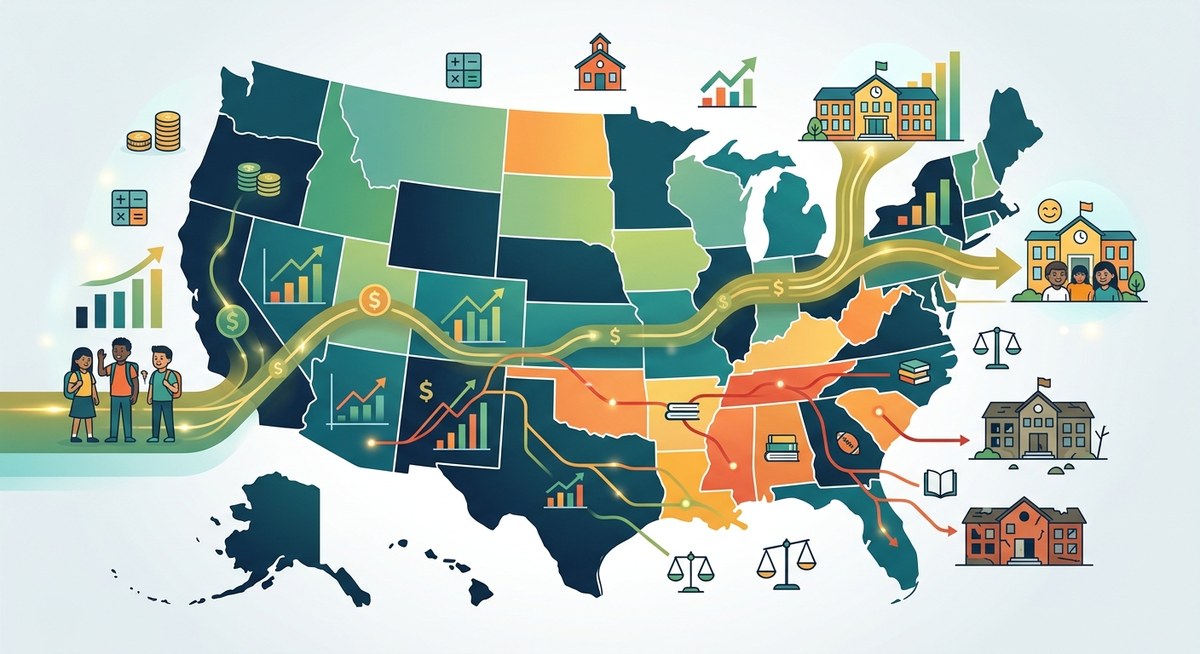
Closing the education gap for marginalized students remains a pressing challenge in many schools and districts today. Despite efforts, disparities in academic achievement, access to resources, and overall learning experiences persist. Addressing these gaps requires intentional strategies rooted in understanding students’ unique needs and implementing effective, evidence-based practices. This guide offers insights and practical steps for educators, policymakers, and advocates committed to making a real difference in the lives of marginalized learners.
Closing education gaps for marginalized students involves understanding their specific needs, implementing inclusive teaching practices, and fostering supportive learning environments. Practical steps include data-driven interventions, culturally responsive instruction, community engagement, and equitable resource allocation to ensure all students thrive academically and socially.
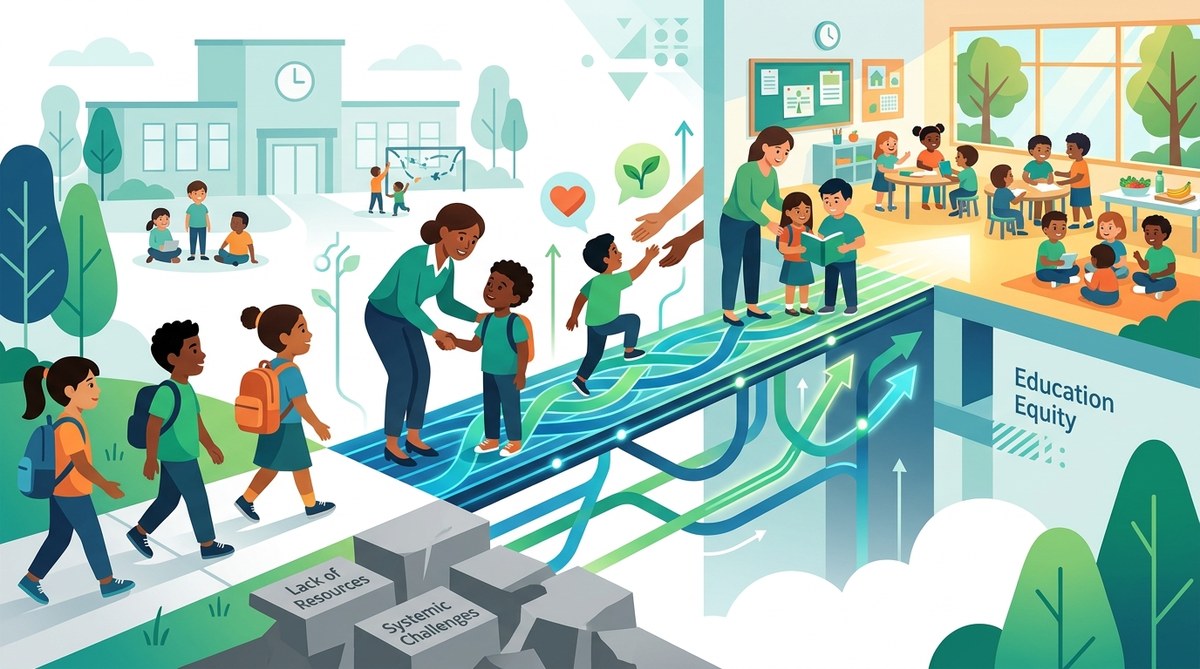
Understanding how to bridge achievement disparities requires a multifaceted approach that centers on students’ backgrounds and experiences. Marginalized students often face barriers such as poverty, language differences, disabilities, and systemic inequalities that hinder their academic progress. To address these challenges effectively, educators and policymakers need to adopt strategies that promote equity, foster inclusion, and support success for every learner.
Recognizing the Unique Needs of Marginalized Students
Every marginalized student brings a distinct set of experiences, strengths, and challenges. Recognizing this diversity is the first step toward closing the gaps. Data collection and analysis help identify where disparities exist and which groups are most affected. For instance, reviewing standardized test scores, attendance records, and disciplinary data can reveal patterns and areas needing targeted intervention.
Such insights enable schools to tailor support systems that meet specific needs. For example, English Language Learners may benefit from bilingual programs, while students with disabilities require accessible learning materials. Cultural responsiveness also plays a vital role in creating an environment where students feel valued and understood.
Practical Strategies for Closing the Education Gap
Here are actionable steps to help reduce disparities and support marginalized students toward academic success:
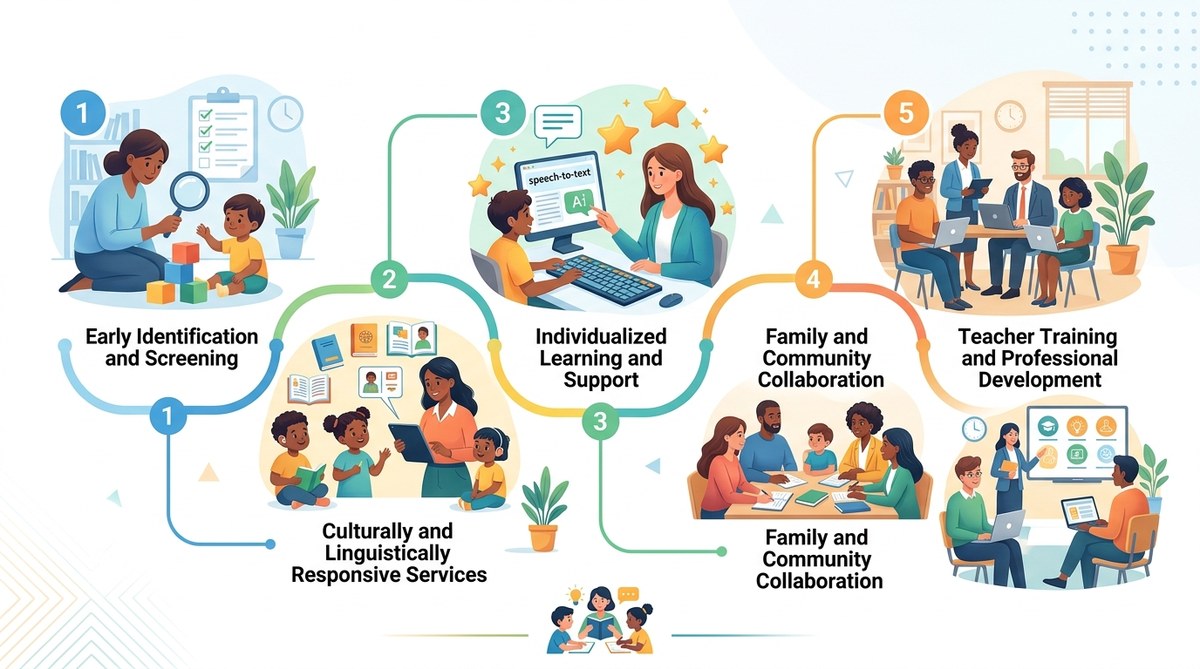
1. Use Data to Drive Personalized Interventions
- Collect comprehensive data on student performance, engagement, and well-being.
- Identify achievement gaps at the classroom, school, and district levels.
- Develop tailored intervention plans that address specific barriers faced by marginalized students.
- Regularly monitor progress and adjust strategies as needed.
2. Implement Culturally Responsive Teaching Practices
- Incorporate students’ cultural backgrounds into curriculum content.
- Use diverse examples and materials that reflect students’ identities.
- Foster an inclusive classroom environment where all students feel seen and respected.
- Provide professional development focused on cultural competence for educators.
3. Foster Family and Community Engagement
- Build strong partnerships with families and community organizations.
- Communicate regularly and transparently about student progress and needs.
- Involve families in decision-making and school activities.
- Leverage community resources to support student learning beyond the classroom.
4. Allocate Resources Equitably
- Ensure that schools serving marginalized populations receive adequate funding.
- Provide access to technology, learning materials, and support staff.
- Invest in professional development focused on equity and inclusion.
- Create additional support programs such as tutoring, mentoring, and counseling.
5. Promote Inclusive and Differentiated Instruction
- Use varied instructional strategies to meet diverse learning styles.
- Incorporate project-based and experiential learning opportunities.
- Provide scaffolding and supports for students who need extra help.
- Encourage student voice and agency in learning activities.
6. Build Supportive School Cultures
- Establish anti-bias policies and practices.
- Train staff to recognize and address bias and systemic inequities.
- Celebrate diversity through school events and curricula.
- Create safe spaces where students can express themselves freely.
Common Techniques and Pitfalls in Closing Achievement Gaps
| Techniques | Common Mistakes |
|---|---|
| Data-informed decision making | Relying solely on test scores without context |
| Culturally responsive instruction | Overgeneralizing student backgrounds |
| Family and community engagement | Tokenism without meaningful involvement |
| Equitable resource allocation | Focusing resources only on certain groups |
| Differentiated instruction | Failing to adapt strategies to student needs |
“Closing the achievement gap is not a one-size-fits-all process. It demands ongoing reflection, responsiveness, and a genuine commitment to equity from every stakeholder.” — Education equity expert
Building a Foundation for Lasting Change
Creating equitable learning environments involves more than isolated initiatives. It requires a shift in school culture, policies, and daily practices. Schools must prioritize equity in their mission and embed it into their core operations. This includes revising hiring practices to diversify staff, aligning curriculum with students’ lived experiences, and continuously training staff on inclusive pedagogy.
Implementing these strategies can lead to meaningful progress. For example, schools that have adopted culturally responsive teaching have reported increases in student engagement and academic achievement among marginalized groups. Similarly, community partnerships can open new pathways for support and enrichment.
Moving Toward Inclusive Excellence
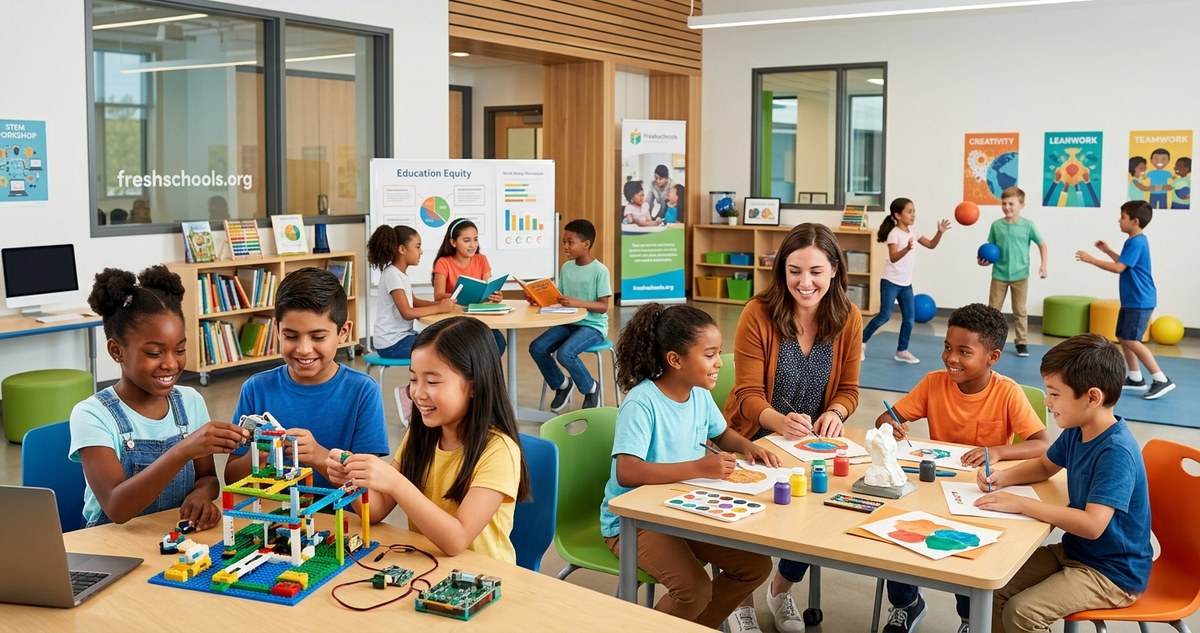
Every student deserves an opportunity to succeed, regardless of their background or circumstances. Achieving this goal involves persistent effort, strategic planning, and a genuine belief in the potential of all learners. By focusing on data-driven practices, inclusive pedagogy, community involvement, and resource equity, educators and policymakers can make significant strides toward closing education gaps.
Remember, change happens when everyone commits to equity. Small, consistent actions can lead to substantial improvements over time. Building inclusive learning environments benefits not just marginalized students but enriches the entire school community.
Embracing a Future of Equity and Opportunity
Creating equitable education systems is a continuous journey. As conditions evolve and new challenges emerge, so must our strategies. Stay informed about best practices and research, collaborate with diverse stakeholders, and keep student success at the heart of every decision. Together, we can foster schools where all students have the support they need to thrive academically and personally.
By integrating these approaches into daily practice, educators and advocates can turn the vision of closing education gaps into reality. Every step forward counts in building a more just and inclusive future for learners from all walks of life.