elias
elias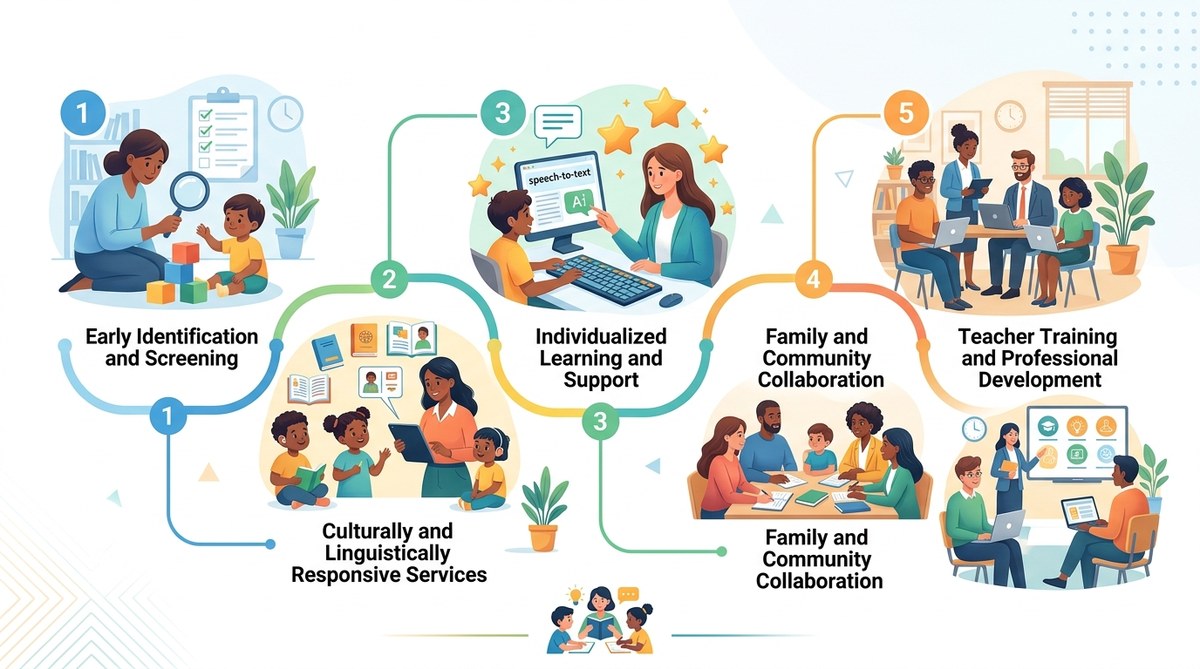
When Maria entered third grade, her teachers noticed she struggled with reading comprehension. But because her school lacked a clear process for identifying learning disabilities, Maria waited nearly a year before receiving an evaluation. That delay cost her crucial instructional time and confidence. Stories like Maria's happen in schools across the United States every year. The gap between a student's need and the services they actually receive is often where equity breaks down. Ensuring equitable access to special education services means every student with a disability gets the right support at the right time, regardless of their background, language, or zip code. In 2026, this goal is more urgent than ever.
Equitable access to special education services requires intentional systems that identify students early, remove bias from referral processes, include families as partners, and use data to spot disparities. When schools commit to these practices, students with disabilities receive the services they need on time, closing opportunity gaps and building stronger learning communities.
Why Equitable Access Still Falls Short
Many school districts talk about equity but struggle to make it real in special education. The reasons are tangled. Implicit bias can cause teachers to refer students of color for behavioral issues instead of learning disabilities, while white students with similar needs get academic evaluations. Language barriers mean English learner families often miss out on key information about their rights. Funding gaps leave rural and urban districts with fewer specialists, longer wait times, and fewer service options. And sometimes, the system simply moves too slowly. A child might wait months before a full evaluation begins, and during that time they fall further behind.
If we want equitable access to special education services, we have to look at the whole picture. That means changing policies, training staff, and listening to families.
A Five Step Process to Build an Equitable System
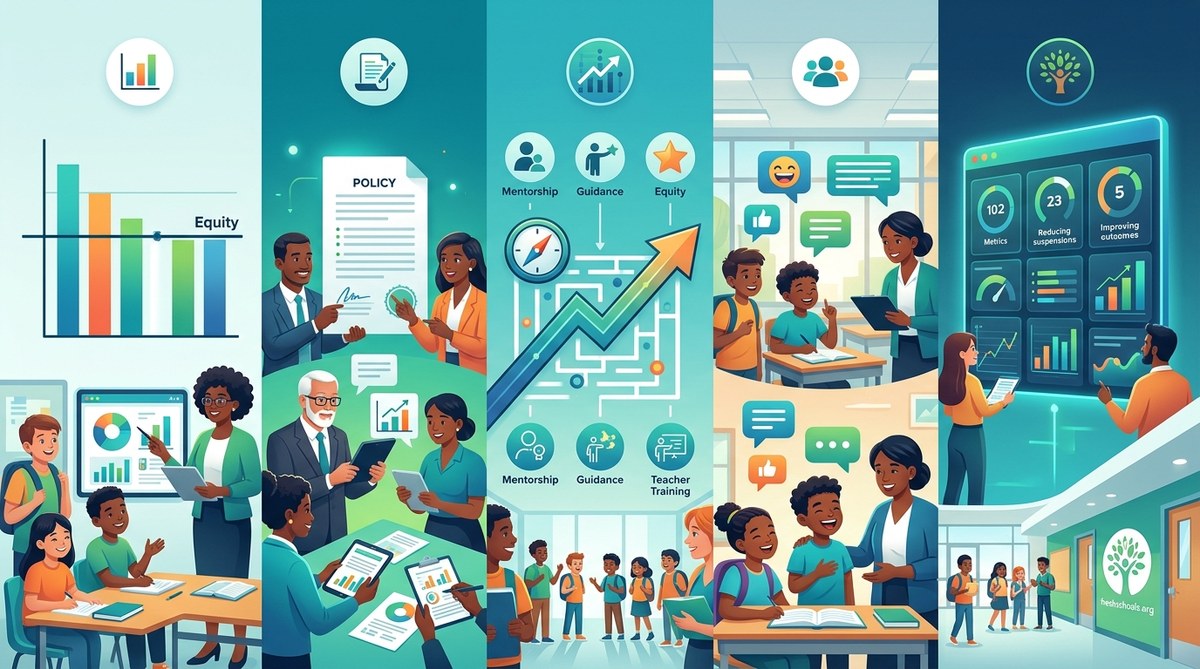
The following steps offer a practical roadmap. They are not in order of importance but should be tackled together as part of a continuous cycle.
-
Start with universal screening for all students. Before any referral, every child should be screened for academic and developmental milestones. Use tools that are valid for diverse populations and languages. Screening catches students like Maria before they fail for a full school year. It removes the guesswork from identifying who needs help.
-
Make the referral process culturally responsive. Train teachers to recognize how culture and language may affect learning behaviors. A quiet student may be showing respect, not a speech delay. A child who avoids eye contact might be following a cultural norm. Use strategies to promote inclusive education for all students to guide teacher observations and referrals. This reduces overrepresentation of certain groups in special education.
-
Complete evaluations within legal timelines, but aim faster. Federal law says 60 days from consent to evaluation, but many states have shorter windows. In 2026, districts should set internal goals of 30 days. Use a team approach so that psychologists, speech therapists, and teachers coordinate schedules early.
-
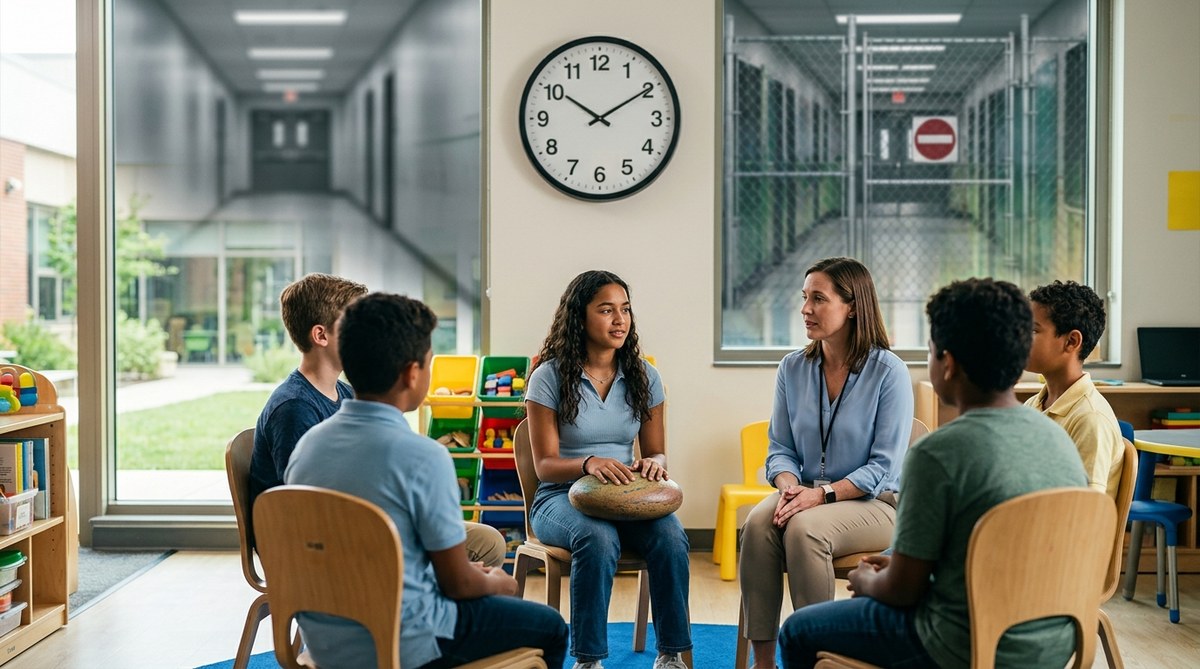
Hold inclusive IEP meetings that center families. Translate documents into the family's home language. Provide an interpreter, not just a translated form. Schedule meetings at times working parents can attend. Ask parents what they see at home and what goals matter to them. When families feel heard, they become active partners. This aligns with the work of building school policies that support child wellbeing and equity.
-
Track outcomes by race, language, and income. Data must be disaggregated. Is your district identifying more Black boys for emotional disturbance than for specific learning disabilities? That is a red flag. Use dashboards to monitor referral rates, evaluation timelines, and service minutes. When you see a gap, investigate. This practice is central to how to use data to identify and address education gaps in underserved communities.
Barriers That Block Equitable Access
Even with good intentions, barriers persist. Here are common obstacles schools face, along with a quick reference table of mistakes and fixes.
- Implicit bias among staff leads to underreferral or overreferral of certain groups.
- Inadequate training means teachers cannot distinguish between disability and language acquisition.
- Lack of interpreter services leaves non-English speaking families out of the conversation.
- High caseloads for special education teachers slow down evaluations and service delivery.
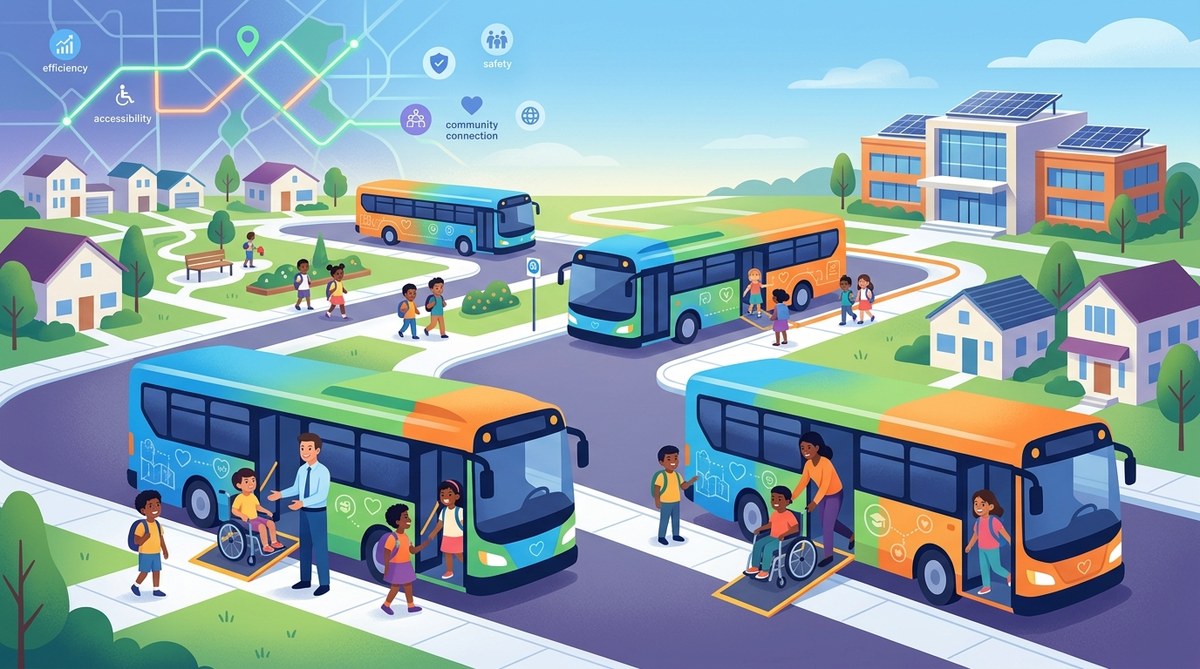
- Transportation issues prevent students from attending specialized programs outside their home school.
- Parent mistrust after years of broken promises keeps families from advocating fully.
| Common Mistake | Better Practice |
|---|---|
| Waiting for a child to fail before referring | Use universal screening in kindergarten |
| Using one standardized test in English only | Use multiple measures in the student's primary language |
| Holding IEP meetings at 9 AM on a weekday | Offer evening and weekend slots |
| Sending forms home in English only | Provide documents and interpreters in family languages |
| Blaming parents for not attending meetings | Remove barriers like transportation and childcare |
Expert Advice on the Human Side of Equity
"We often treat equitable access as a checklist of procedures. But at its core, it is about relationships. When I talk to families who felt their child was seen and respected, they tell me about a teacher who listened without judgment, an interpreter who made them feel understood, or a principal who admitted the system had failed before. That honesty builds trust. And without trust, no policy works."
* Dr. Elena Vasquez, Special Education Advocate and Former District Director, 2026
That quote captures the heart of the work. Policies matter, but the people delivering them matter more. Every interaction with a family is a chance to repair the system.
How to Strengthen Your School's Approach Right Now
You do not need to wait for a district wide overhaul. Here are actions you can take this semester.
- Audit your referral data for the last two years. Look at who was referred, who was evaluated, and who received services. Notice any patterns by race, gender, or language.
- Schedule a professional development session on cultural competence in special education. Use scenarios that reflect your student population.
- Create a parent advisory council for special education. Invite families from diverse backgrounds to share their experiences. Compensate them for their time.
- Partner with community organizations to offer after school tutoring or mental health support for students on waitlists.
- Advocate for better funding. Talk to your school board about resource allocation. Learn more about why equitable funding is the missing piece in education equity reform.
These small moves build momentum. Over time, they reshape the culture of your school.
Building Systems That Last
Equitable access to special education services is not a one time fix. It requires constant attention. Districts that succeed are those that embed equity into every meeting, every form, every training session. They stop asking "Does this student qualify?" and start asking "What does this student need to succeed?"
When you shift the question, the answers change. You start to see the Maria in your classroom and move before she waits a full year. You notice the family who never showed up to an IEP meeting and go to them instead. You track data not to punish but to improve.
In 2026, we have the tools and the knowledge. Now we need the will to use them. Start with one step: look at your referral data today. Then take the next step. Together, we can make equitable access a reality for every student.