elias
elias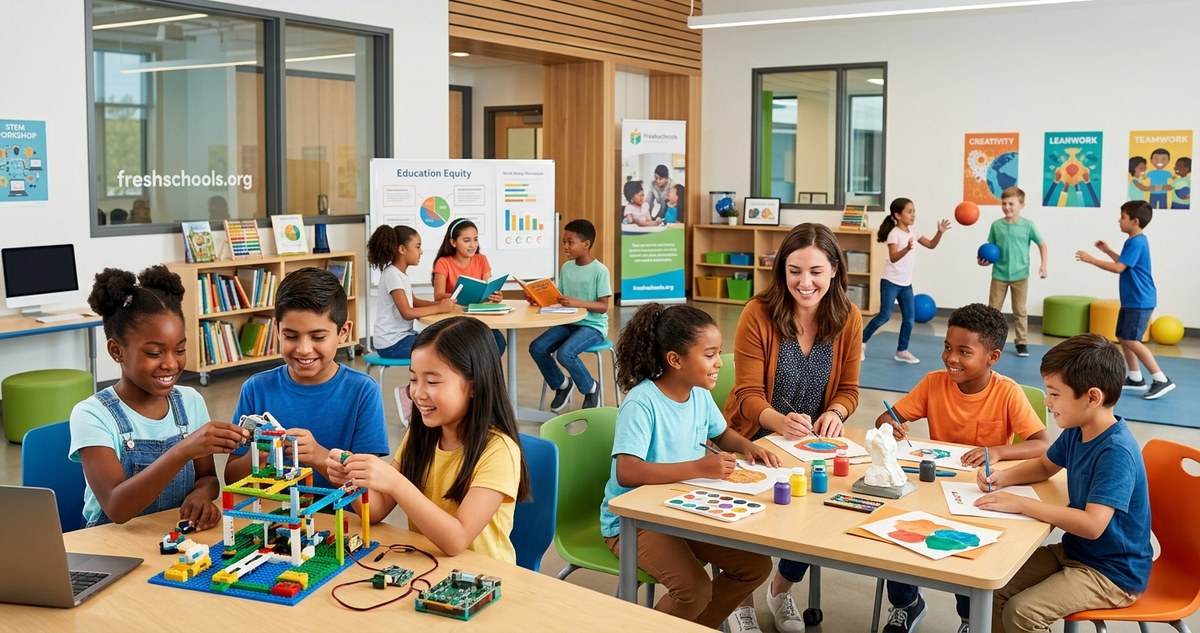
For decades, our education conversations have centered on what happens between the first bell and the final bell. But for millions of students in underserved communities, the hours after dismissal are just as critical. After-school programs can be a powerful lever for closing opportunity gaps, yet they remain one of the most overlooked tools in the fight for education equity. When designed with intention, these programs do more than keep kids safe. They provide academic support, expose students to enrichment they would not otherwise access, and build social-emotional skills that fuel long-term success. The challenge is that too few programs are built around equity from the start.
After-school programs are an underutilized tool for advancing education equity because they can level the playing field for students from low-income families, English learners, and students of color. To unlock this potential, schools, districts, and community organizations must intentionally design programs that address systemic barriers, provide meaningful enrichment, and foster inclusive environments. This guide offers practical steps, common pitfalls to avoid, and examples of what works in 2026.
The Equity Gap and Where After-School Programs Fit
Education equity means every child gets the support they need to reach their full potential, regardless of race, income, or zip code. The reality is stark. Students in wealthy districts often have access to music lessons, coding camps, and tutoring after school. Their peers in under-resourced communities may go home to empty houses, with no structured activities and little academic support. This is where after-school programs step in.
Research consistently shows that high-quality after-school programs improve academic outcomes, reduce dropout rates, and increase engagement. But the benefits go deeper. Students who participate in these programs develop stronger relationships with adults, gain exposure to career pathways, and build a sense of belonging. In other words, after-school programs can directly counteract the inequities baked into the school day.
Yet in 2026, many programs still operate as add-ons rather than as core equity strategies. They are underfunded, understaffed, and often disconnected from school-day learning. The result is a patchwork of services that helps some students but leaves many behind.
Why After-School Programs Are Underutilized for Equity
Several factors keep after-school programs from reaching their full potential as equity tools.
- Funding instability – Programs rely on short-term grants and parent fees, making it hard to plan for the long term.
- Lack of alignment with school day – When curriculum, goals, and data are not shared, after-school becomes an island rather than a bridge.
- Insufficient training – Staff are often part-time or volunteers, with little professional development in culturally responsive practices.
- Barriers to access – Transportation, cost, and language barriers prevent many families from signing up.
- Narrow definitions of enrichment – Programs may focus only on homework help, missing the chance to offer arts, STEM, and outdoor learning.
These barriers are not accidental. They reflect systemic inequities that schools and communities must work to dismantle. For a deeper look at the systemic obstacles, read our article on what are the biggest barriers to education equity in 2026.
How to Design After-School Programs That Promote Education Equity
Building an equitable after-school program requires intention, not just good intentions. Below are five design principles that can transform a standard program into a powerful equity driver.
1. Start with Community Voice
Before you plan activities, ask families what they want. Conduct surveys, hold listening sessions, and involve students in decision making. A program that reflects the community’s culture and needs will see higher attendance and deeper engagement.
2. Align with the School Day
Coordinate with teachers to identify learning gaps and enrichment opportunities. Share student data (with privacy protections) so after-school staff can reinforce classroom lessons. This alignment turns after-school into a seamless extension of learning, not a separate silo.
3. Hire and Train for Equity
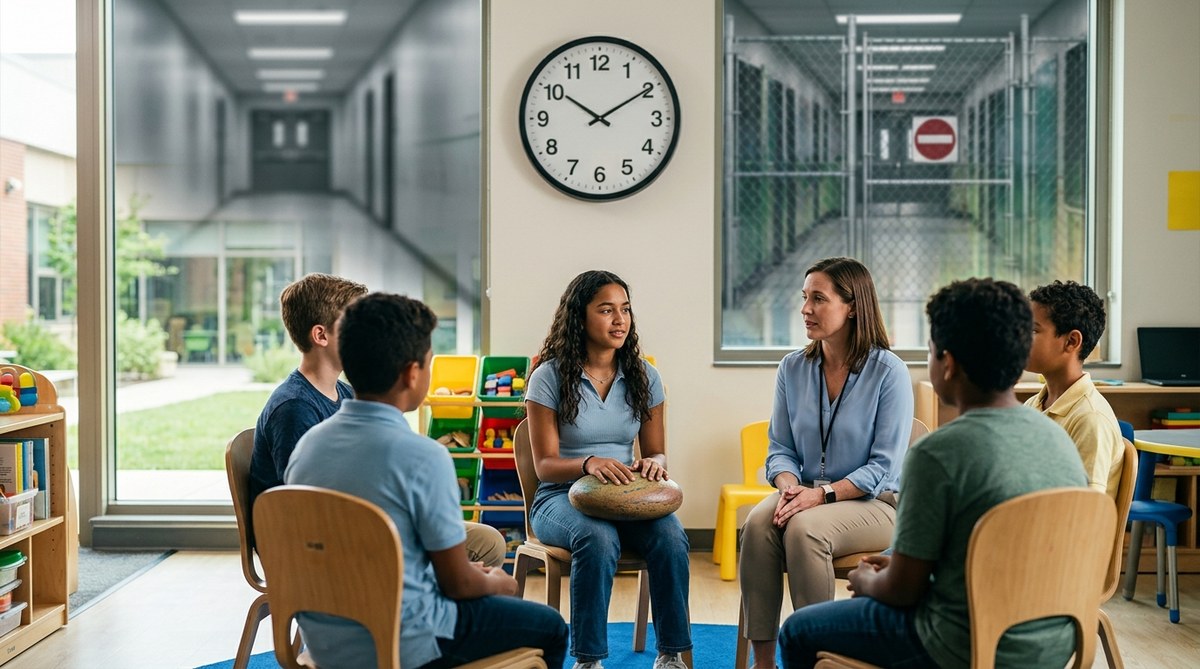
Recruit staff who reflect the student population and provide ongoing training in culturally responsive teaching, trauma-informed practices, and restorative circles. Invest in full-time, well-compensated positions to reduce turnover.
4. Offer a Broad Menu of Enrichment
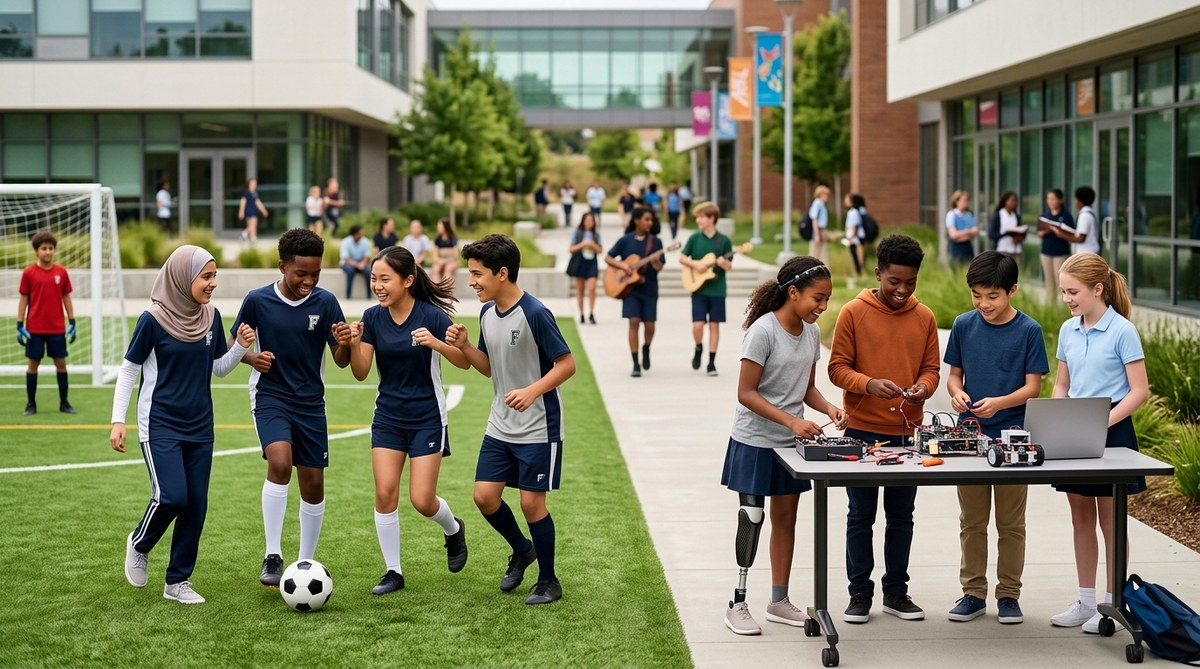
Do not limit after-school to homework help. Include arts, music, robotics, nature exploration, sports, and career exploration. This variety exposes students to new passions and levels the playing field with wealthier peers who have access to private lessons.
5. Remove Barriers to Participation
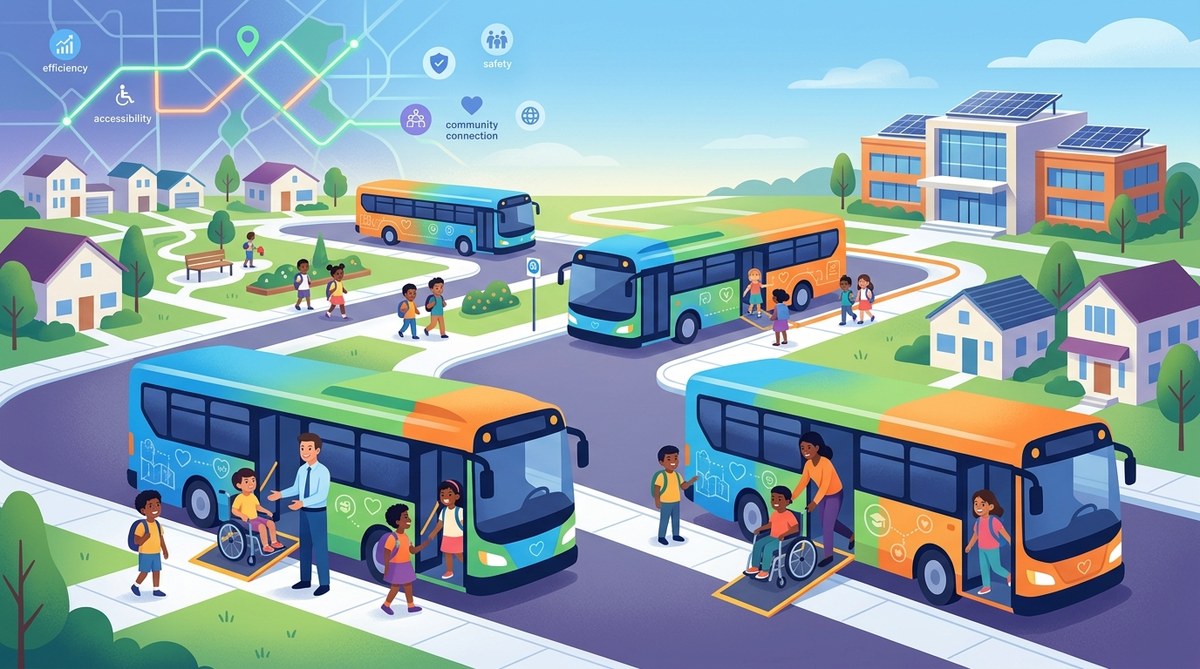
Provide free or sliding-scale fees, offer transportation, and communicate in multiple languages. Make enrollment simple and welcoming. Every barrier you remove brings equity one step closer.
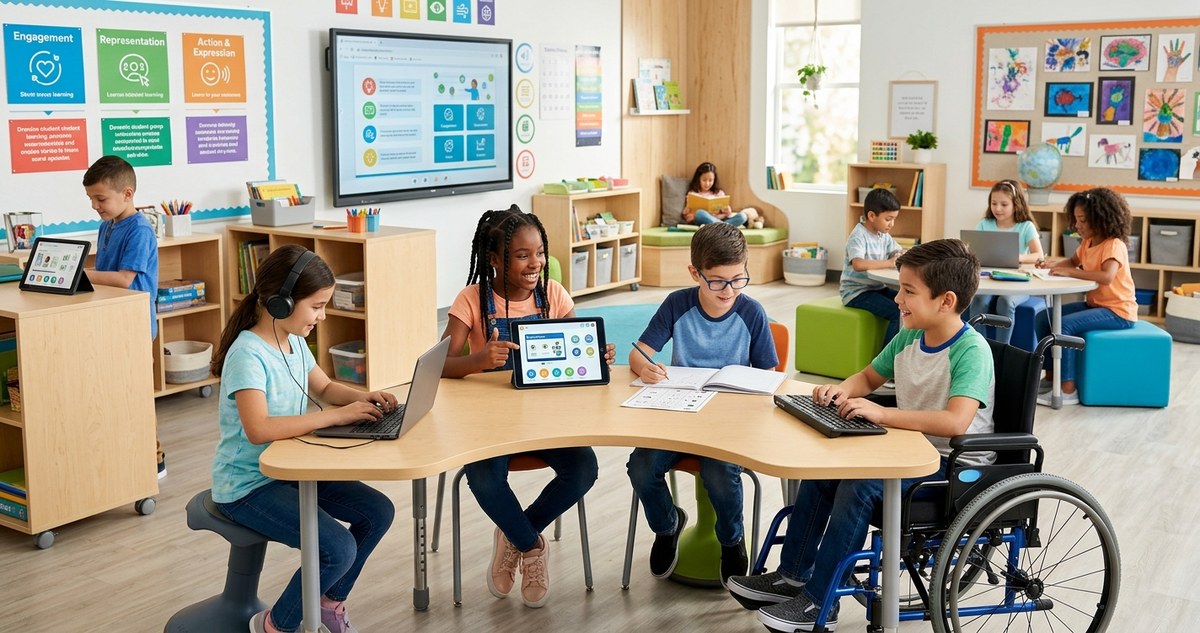
For more on creating inclusive learning environments, see creating inclusive learning spaces that foster student engagement.
A Practical Implementation Plan
Turning these principles into action can feel overwhelming. Here is a numbered list of steps your school or district can take this year.
- Audit your current program – Look at who is participating and who is missing. Disaggregate data by race, income, ELL status, and special education.
- Form an equity design team – Include teachers, after-school staff, parents, and students. Set clear goals tied to equity outcomes.
- Redesign the schedule and curriculum – Ensure at least 60% of time is spent on enrichment, not just homework.
- Train all staff before the next session – Cover implicit bias, positive behavior supports, and culturally sustaining pedagogy.
- Launch a family outreach campaign – Use text messages, home visits, and community events to reach families who have not signed up.
- Collect ongoing data – Track attendance, engagement, and academic indicators. Use this data to adjust programming mid-cycle.
- Advocate for sustainable funding – Pursue federal 21st Century Community Learning Centers grants, local bond measures, and partnerships with businesses and nonprofits.
Each of these steps builds on the others. Start small, but start now.
Common Mistakes and Best Practices at a Glance
The table below highlights typical errors and how to avoid them.
| Mistake | Why It Hurts Equity | Best Practice |
|---|---|---|
| Using only volunteers as instructors | Inconsistent quality and lack of training | Hire paid, trained staff with ongoing PD |
| Offering only academic remediation | Misses enrichment that inspires students | Balance academics with arts, STEM, and play |
| Charging fees or requiring parent deposits | Excludes low-income families | Offer free programs or sliding scale with no upfront cost |
| No transportation provided | Students who need it most cannot attend | Provide bus service or partner with community vans |
| Ignoring cultural holidays and languages | Alienates families and reduces participation | Celebrate diverse cultures, offer bilingual materials |
| Lack of data sharing with day teachers | Missed opportunities to reinforce learning | Create regular communication channels and shared platforms |
Expert Insight: What Works on the Ground
“Equity is not about treating every child the same. It is about giving each child what they need to succeed. After-school programs are one of the few places where we can customize support in real time. When we intentionally design programs around the whole child, especially those who have been underserved, we close gaps that the school day alone cannot close.” — Dr. Maria Gonzalez, Senior Director of Out-of-School Time Initiatives at a national education nonprofit.
This quote reminds us that after-school time is not just extra time. It is relationship time, discovery time, and healing time. For students who face trauma or instability, a consistent, caring adult in an after-school setting can be transformative.
Building Partnerships to Strengthen Equity
No school can do this alone. After-school programs thrive when they are supported by community partnerships. Consider partnering with local museums, libraries, colleges, and businesses to bring in guest speakers, materials, and field trips. These partnerships not only enrich the program but also show students that their community believes in them.
For more on this, read how community partnerships can strengthen education equity efforts. Also, think about how technology can expand access. Many programs now use virtual tutoring and online platforms to connect students with resources they lack at home. See how technology can bridge education gaps and promote equity in U.S. schools.
Moving Beyond the Status Quo
In 2026, the conversation around education equity is more urgent than ever. State funding formulas are being challenged, and communities are demanding that every dollar spent on education produce measurable results for marginalized students. After-school programs cannot be an afterthought. They must be part of the strategic plan.
This means policymakers need to treat after-school as an essential part of the school ecosystem, not as a separate silo. District leaders should integrate after-school into their equity budgets. Principals should ensure that after-school staff are included in professional learning communities. Teachers should share lesson plans and student progress.
When these pieces come together, after-school programs stop being babysitting and start being engines of equity. They become places where a child who struggles with reading in the morning can build confidence through a drama club in the afternoon. Where a student who has never seen a computer can learn to code. Where a shy English learner can find their voice through art.
You already know that the school day is not enough. Now you know that after-school can fill the gap. The question is whether we are willing to invest the time, money, and creativity required to make it happen.
Your Next Step Toward Equity
Start today. Pull out the data for your after-school program. Ask who is missing. Talk to three families you have not heard from. Invite one community partner to a planning meeting. Small actions, repeated over time, build the kind of equitable system our students deserve.
For additional strategies, check out 7 proven strategies for reducing achievement gaps in diverse classrooms and why mentorship programs are critical for education equity in 2026.
The after-school hours hold enormous potential. Let us use them wisely.