elias
elias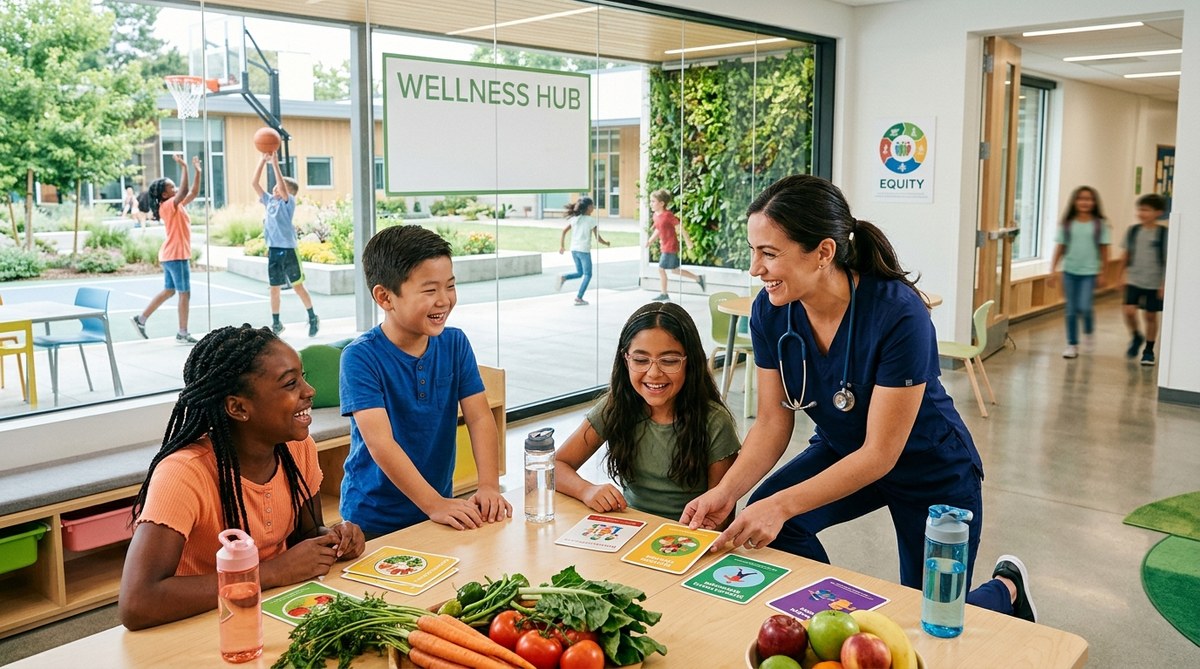
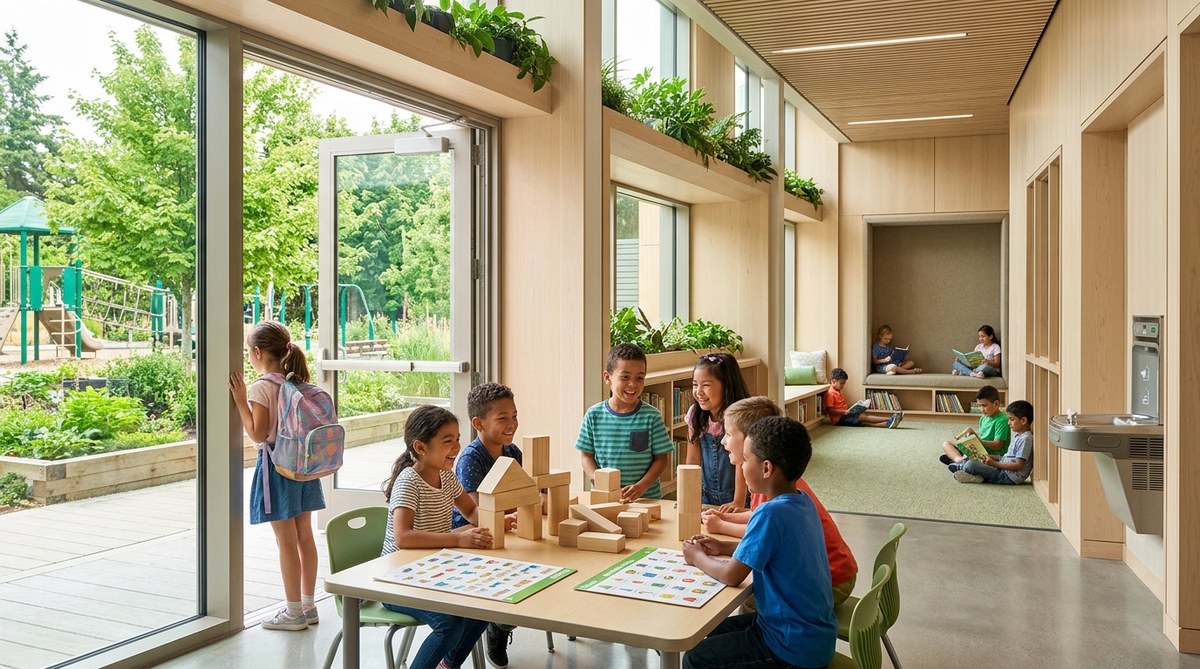
Schools are hubs of growth, learning, and potential. Yet, many students face health challenges that can hinder their ability to thrive academically and socially. Implementing effective school health programs strategies can transform learning environments into spaces that support everyone’s well-being. By prioritizing health, schools can foster healthier, happier, and more engaged students ready to reach their full potential.
Implementing creative and practical school health programs strategies can significantly enhance student health outcomes. Focused efforts, collaborative planning, and continuous evaluation are vital to creating healthier, more supportive learning environments that benefit students and staff alike.
Understanding the Importance of School Health Programs Strategies
Developing effective school health programs involves more than just adding health classes. It requires a comprehensive approach that integrates physical, mental, and social health into the fabric of school life. These strategies aim to promote positive behaviors, reduce health disparities, and ensure all students have the support they need to succeed.
By adopting innovative strategies, educators and administrators can address urgent health issues like mental health, nutrition, physical activity, and chronic disease management. The goal is to shape environments where health is a shared priority, empowering students to build lifelong habits of well-being.
Practical Steps to Enhance School Health Programs
Implementing successful health initiatives involves a strategic process. Here are actionable steps to guide your efforts:
-
Assess and Understand Student Needs
Begin by gathering data on your students’ health challenges. Conduct surveys, review health records, and collaborate with school nurses and counselors. This insight helps tailor programs that resonate with students’ specific needs. -
Create a Collaborative Planning Team
Bring together teachers, health professionals, parents, and students to develop shared goals. Collaboration fosters buy-in and ensures programs are relevant and sustainable. -
Design and Implement Targeted Initiatives
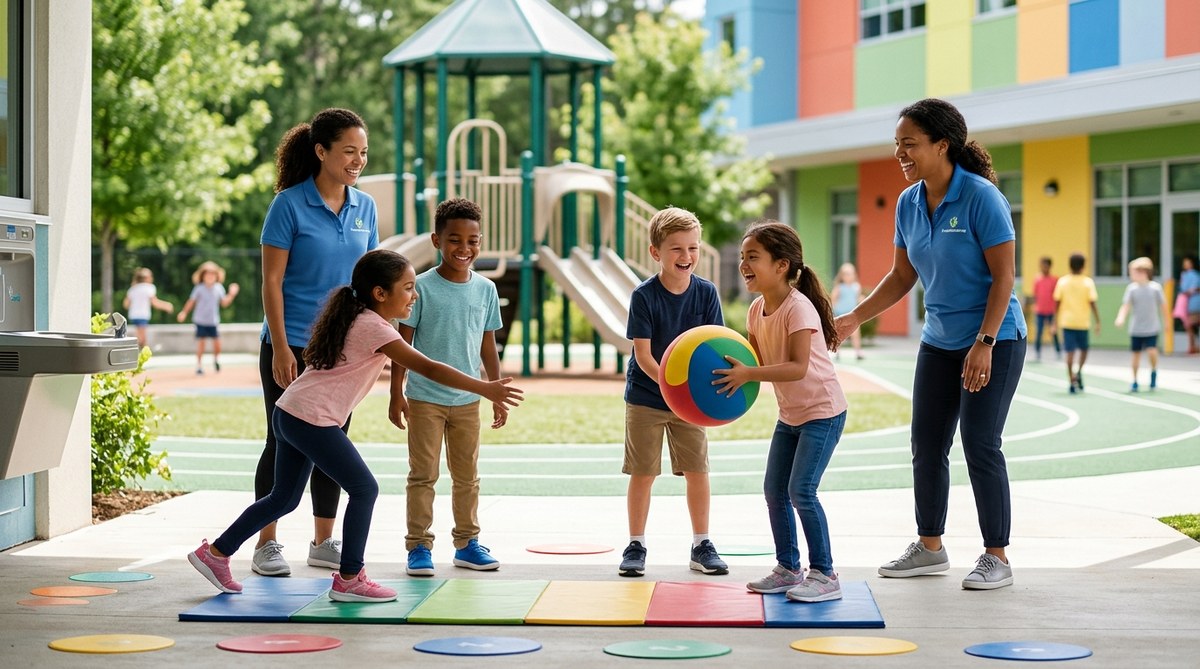
Focus on areas like mental health support, nutrition, physical activity, and substance abuse prevention. For example, establishing daily movement breaks or mindfulness sessions can make a tangible difference. -
Integrate Health into School Culture
Embed health messages into curricula, school policies, and extracurricular activities. Promote a culture where health is everyone’s responsibility, from classroom lessons to school-wide events. -
Provide Ongoing Training for Staff
Equip teachers and staff with knowledge and skills to support student health initiatives. Regular professional development keeps everyone informed about best practices and emerging issues. -
Evaluate and Refine Programs
Use data and feedback to assess the effectiveness of your initiatives. Adjust strategies based on what works best, ensuring continuous improvement.
Key Strategies That Make a Difference
Here are some proven techniques to strengthen school health programs:
- Comprehensive health education that covers nutrition, mental health, and physical activity.
- Peer mentoring and counseling programs that foster supportive relationships.
- Creating health-promoting environments by ensuring access to healthy foods, safe physical activity spaces, and clean facilities.
- Partnerships with community health providers to connect students with additional resources.
- Involving families through workshops and communication channels to reinforce healthy behaviors at home.
- Implementing policies that support mental health days, substance abuse prevention, and anti-bullying efforts.
Techniques and Mistakes Table
| Technique | Common Mistake |
|---|---|
| Integrating mental health support into daily routines | Overlooking staff training needs |
| Promoting active breaks during lessons | Ignoring student feedback |
| Offering healthy food options | Failing to involve families in initiatives |
| Using data to inform decisions | Relying solely on surveys without follow-up |
| Building community partnerships | Not maintaining consistent communication |
“A successful school health program is built on collaboration, consistency, and understanding your students’ unique needs,” emphasizes Dr. Lisa Matthews, a public health expert specializing in school wellness. Her advice underscores the importance of ongoing engagement and adaptability in health initiatives.
Innovative Techniques for Lasting Impact
To truly transform school health efforts, consider adopting these innovative strategies:
- Student-led health clubs that empower youth to champion wellness initiatives.
- Use of technology, such as apps and online portals, to promote healthy habits and track progress.
- School gardens and cooking classes that teach nutrition through hands-on experiences.
- Mindfulness and stress reduction programs integrated into the school day.
- Flexible policies that accommodate mental health days or alternative attendance options.
Common Pitfalls and How to Avoid Them
| Mistake | Solution |
|---|---|
| Implementing programs without student input | Involve students early and often |
| Focusing only on physical health | Ensure mental and social health are prioritized |
| Lack of staff training | Provide regular professional development |
| Ignoring cultural relevance | Tailor programs to reflect diverse backgrounds |
| One-size-fits-all approaches | Customize strategies based on data and feedback |
Building a Culture of Wellness in Schools
Creating a lasting impact requires embedding health into every aspect of school life. This can include revising policies to support healthy choices, redesigning spaces for physical activity, and celebrating health milestones. Recognizing achievements and sharing success stories motivate everyone to stay committed.
Encourage student leadership in health initiatives to foster ownership and enthusiasm. Also, leverage community resources such as local clinics, fitness centers, and nutrition experts to enhance your programs.
How to Measure Success and Sustain Efforts
Tracking progress ensures your strategies are effective. Use tools like surveys, health screenings, and attendance records to gather data. Set clear, measurable goals to evaluate outcomes regularly.
Sustaining momentum involves securing ongoing funding, maintaining staff engagement, and continuously updating programs based on new research and community needs. Building strong relationships with families and community partners also helps reinforce health messages beyond the school.
Creating a Healthier Learning Environment One Step at a Time
Implementing school health programs strategies is a journey that requires patience, persistence, and passion. Start small by integrating simple activities like stretching breaks or healthy snack options. Then, expand gradually, involving all stakeholders along the way.
Remember, fostering a culture of health benefits everyone—students, staff, and the wider community. When health becomes a shared priority, positive change becomes a natural part of daily school life.
Living the principles of school health every day
Encourage yourself and your colleagues to embed health into daily routines and decision-making. Small consistent efforts can lead to significant improvements over time. By staying committed and adaptable, you can help create schools where students thrive both academically and health-wise.
If you’re looking for more ideas on fostering inclusive and supportive environments, consider checking out strategies to promote inclusive education for all students. Applying these approaches in tandem can amplify your school’s impact on student well-being.
Remember, your dedication to student health can inspire lasting change. Embark on this journey with confidence, knowing that even small steps can lead to profound improvements in school communities.