elias
elias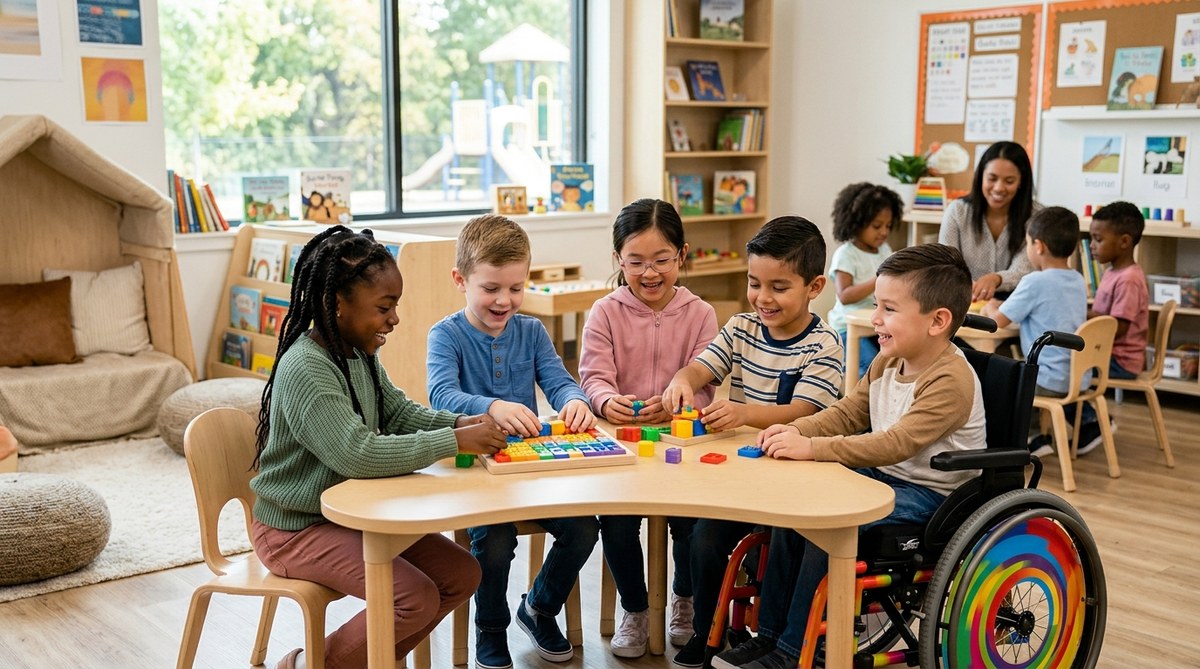
Creating a truly inclusive learning environment can transform early childhood education. It’s about more than just accommodating differences; it’s about actively supporting each child’s growth and development. When educators and parents understand and implement inclusive learning strategies, they open doors for every child to thrive. These approaches foster social skills, boost confidence, and lay a strong foundation for lifelong learning.
Effective child development inclusive learning strategies promote diversity, adapt to individual needs, and cultivate a supportive environment where every child can flourish and reach their full potential.
Understanding the Foundations of Inclusive Learning for Child Development
Inclusive learning is rooted in recognizing that each child is unique. From different abilities to cultural backgrounds, children bring a variety of experiences and needs to the classroom. Supporting their development requires intentional strategies that respect and incorporate this diversity. Emphasizing inclusive practices helps foster social-emotional skills, independence, and a love for learning.
Why inclusive strategies matter in early childhood
Research shows that children develop best when they feel safe, valued, and understood. Inclusive strategies nurture this sense of belonging. They promote positive interactions among children and help reduce barriers to learning. For educators, adopting these strategies can transform classrooms into vibrant communities where every child feels empowered to participate and succeed.
Practical Steps to Support Child Development with Inclusive Learning Strategies
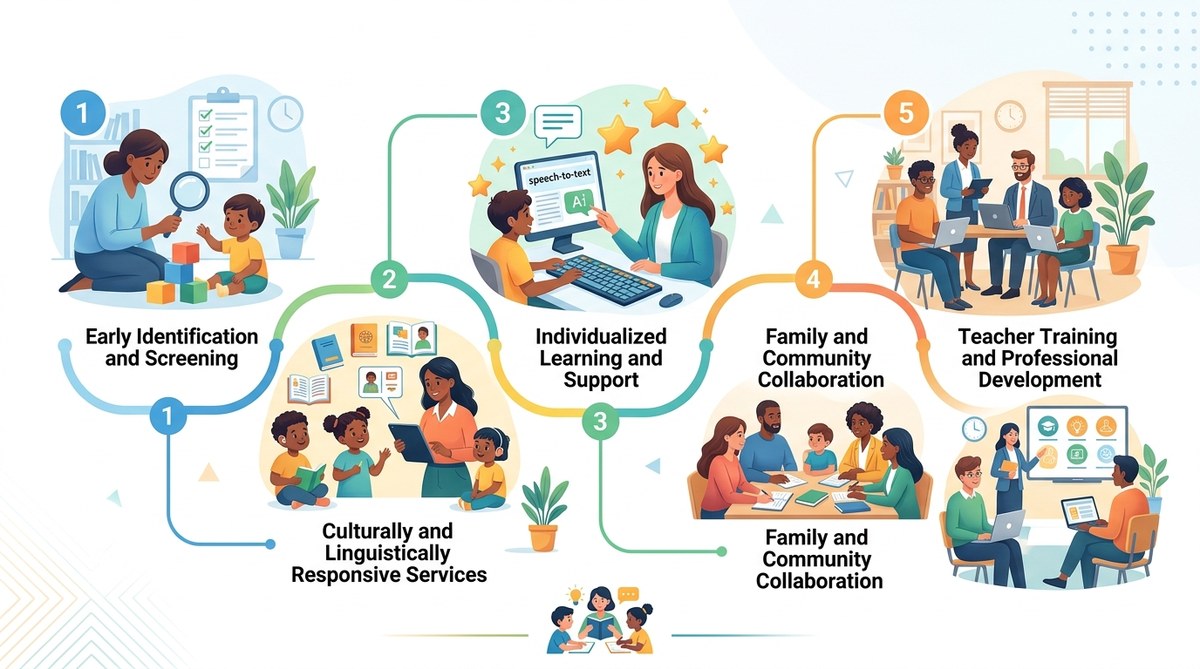
Implementing inclusive learning practices involves concrete, manageable steps. Here are three essential processes to guide your efforts.
-
Get to Know Each Child Deeply
Understanding individual strengths, interests, and challenges is the first step. Use observations, conversations with families, and developmental assessments to gather insights. Recognizing what motivates a child or where they face difficulties allows for tailored support. -
Design Adaptable and Diverse Learning Activities
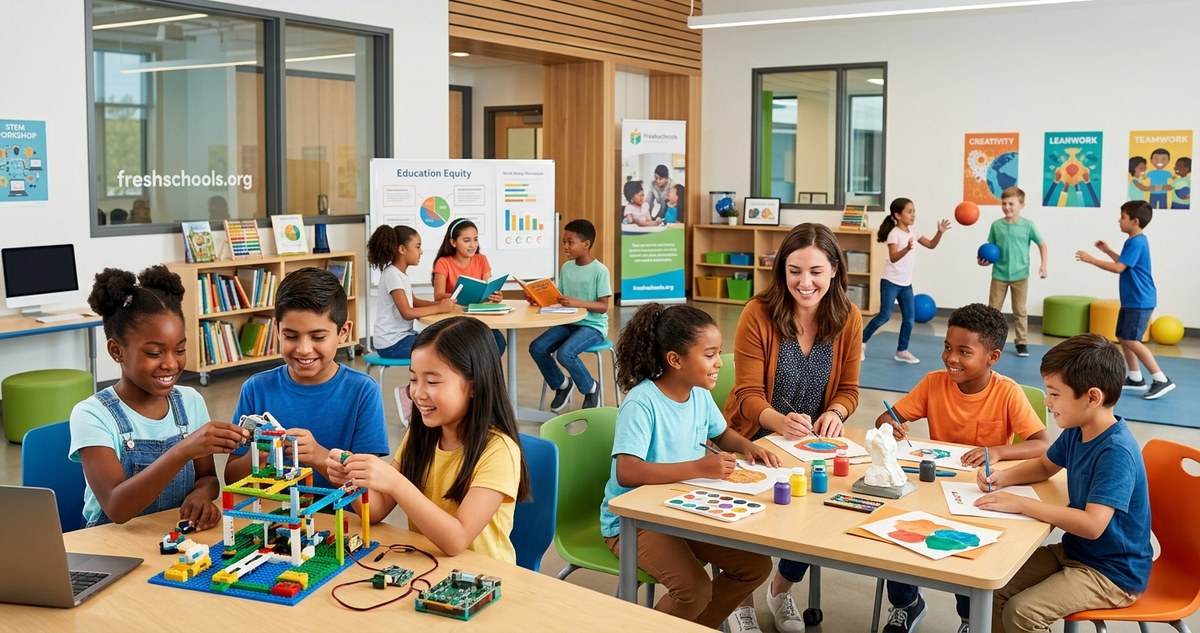
Offer a variety of activities that cater to different learning styles and abilities. Incorporate visual aids, hands-on experiences, and sensory opportunities. Flexibility in materials and methods ensures that all children can engage meaningfully. -
Foster a Supportive and Collaborative Environment
Create a classroom culture that values diversity and encourages peer support. Use group activities to promote social skills. Encourage children to help each other and celebrate individual differences.
Key techniques for inclusive learning
- Differentiated instruction
- Use of assistive technology
- Visual schedules and cues
- Peer mentoring and buddy systems
- Family engagement and cultural responsiveness
Common mistakes to avoid
| Technique | Mistake to Avoid |
|---|---|
| Rigid activity plans | Failing to adapt to individual needs |
| Overlooking cultural backgrounds | Using a one-size-fits-all approach |
| Ignoring sensory or mobility needs | Not providing necessary accommodations |
| Relying solely on verbal instruction | Neglecting visual or hands-on learning opportunities |
“Effective inclusion begins with understanding each child’s world and creating opportunities for them to participate fully.” — Early childhood development expert
Strategies for Promoting Social and Emotional Growth
Supporting child development through inclusive learning also involves nurturing social skills and emotional well-being. Here are some practical methods:
- Use social stories and role-playing to teach empathy and cooperation.
- Establish predictable routines to build a child’s sense of security.
- Celebrate cultural diversity through classroom activities and stories.
- Encourage peer interactions and collaborative projects.
Practical tips for educators and parents
- Model respectful communication and active listening.
- Create a calm corner or safe space for children needing a break.
- Incorporate mindfulness activities to develop self-regulation.
- Engage families to understand each child’s background and preferences.
Common Pitfalls and How To Avoid Them
Even well-intentioned strategies can go awry if not carefully implemented. Here are some common mistakes and ways to address them:
| Mistake | How to Avoid |
|---|---|
| Overgeneralizing needs | Recognize the individuality of each child’s development. |
| Relying only on formal assessments | Use ongoing, informal observations for richer insights. |
| Neglecting family and community input | Maintain open communication with families for shared understanding. |
| Underestimating peer influence | Foster a classroom climate that promotes acceptance and kindness. |
Expert Advice on Building Inclusive Learning Environments
“The key to successful inclusion is flexibility. When educators adapt their methods and genuinely listen to each child’s voice, every child can participate and learn joyfully.” — Dr. Lisa Mitchell, early childhood education specialist
Final Thoughts on Child Development Through Inclusive Strategies
Creating environments that respect and support every child’s development is a continuous journey. It involves patience, creativity, and a willingness to learn from children and families alike. Incorporating child development inclusive learning strategies not only benefits individual learners but enriches the entire classroom community. Small adjustments, thoughtful planning, and genuine care make a lasting impact.
Encourage yourself to try new approaches, listen to each child’s story, and celebrate every step of progress. Together, we can cultivate learning spaces where all children feel valued, confident, and eager to explore the world around them.