elias
elias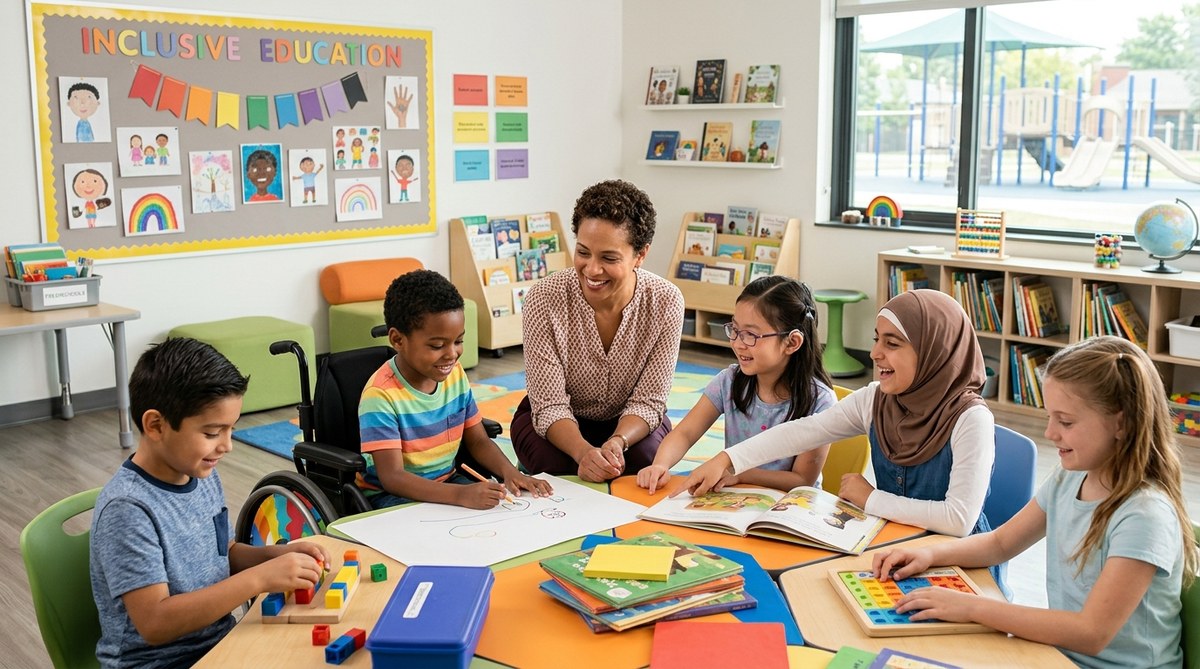
Creating an inclusive classroom is more than just a goal; it is a commitment to making education accessible, respectful, and engaging for every student. When classrooms reflect diversity in abilities, backgrounds, and needs, they become vibrant spaces where all learners can thrive. Achieving this requires intentional strategies, ongoing reflection, and a genuine desire to adapt teaching practices. Whether you are a teacher, administrator, or student in the education field, understanding and applying inclusive strategies can transform learning experiences for everyone.
Promoting inclusive education involves understanding student diversity, applying flexible teaching methods, fostering a supportive classroom culture, and continually adapting to meet learners’ needs. Practical strategies include building relationships, implementing universal design, encouraging collaboration, and using varied assessment techniques to ensure all students can participate and succeed.
Understanding the Foundations of Inclusive Education
Inclusive education is rooted in the idea that every student deserves equal access to quality learning. It’s about recognizing differences and designing instruction that accommodates diverse learning styles, cultural backgrounds, and abilities. Creating an inclusive environment starts with understanding the core principles that guide effective strategies.
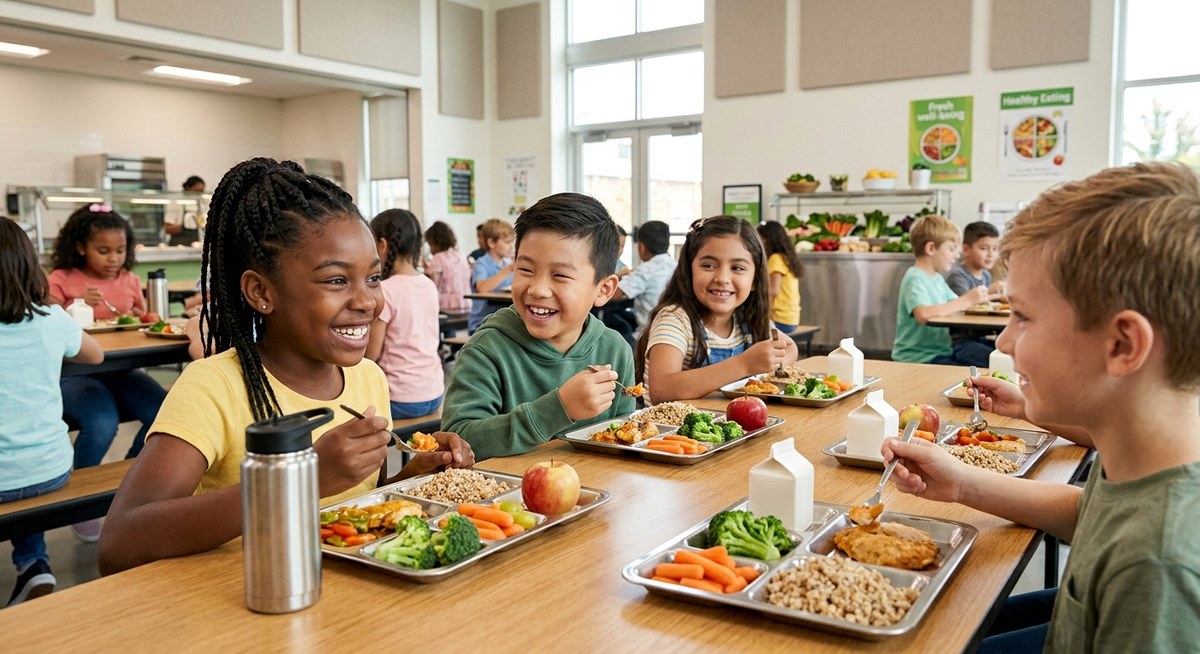
Inclusive classrooms are characterized by a sense of belonging, respect, and shared responsibility among students and teachers. They promote social-emotional well-being alongside academic growth. When students feel valued and understood, they are more likely to engage actively, take risks, and develop confidence.
Practical Strategies for Fostering Inclusive Learning Environments
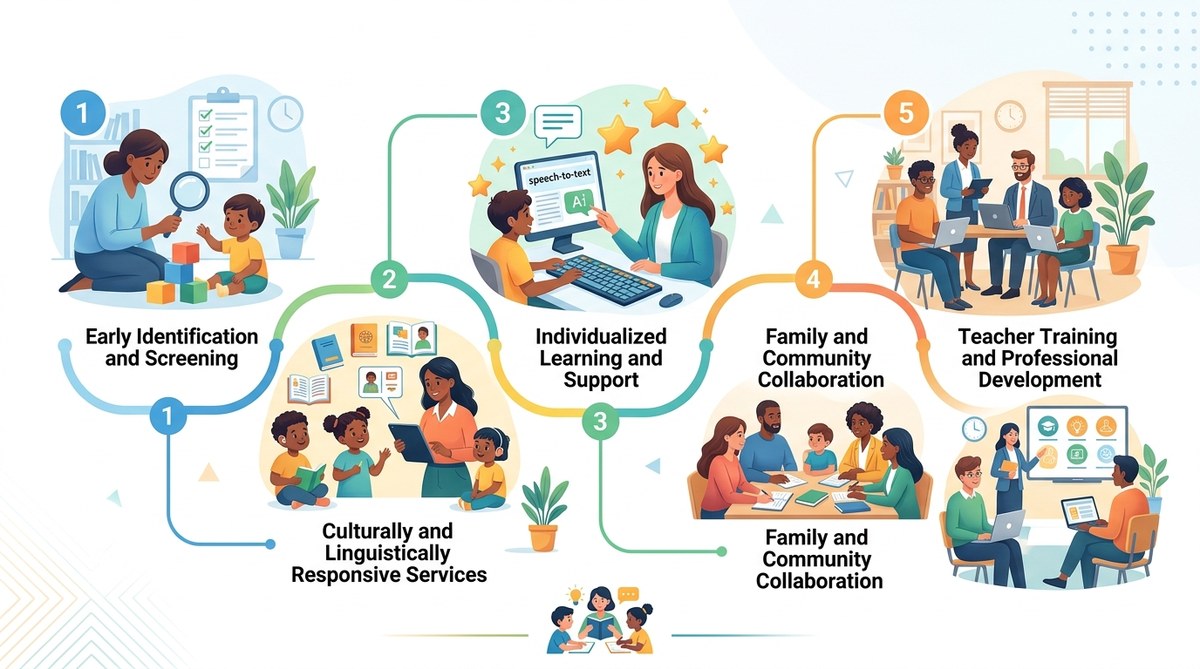
Implementing inclusive education requires deliberate, practical steps. Here are three effective processes to embed into your teaching practice or school culture:
1. Build Strong Relationships and Know Your Students
Establishing genuine connections with students helps teachers understand their unique needs, interests, and backgrounds. This understanding guides personalized support and fosters trust. Take time to get to know students beyond their academic performance.
2. Apply Universal Design for Learning (UDL)
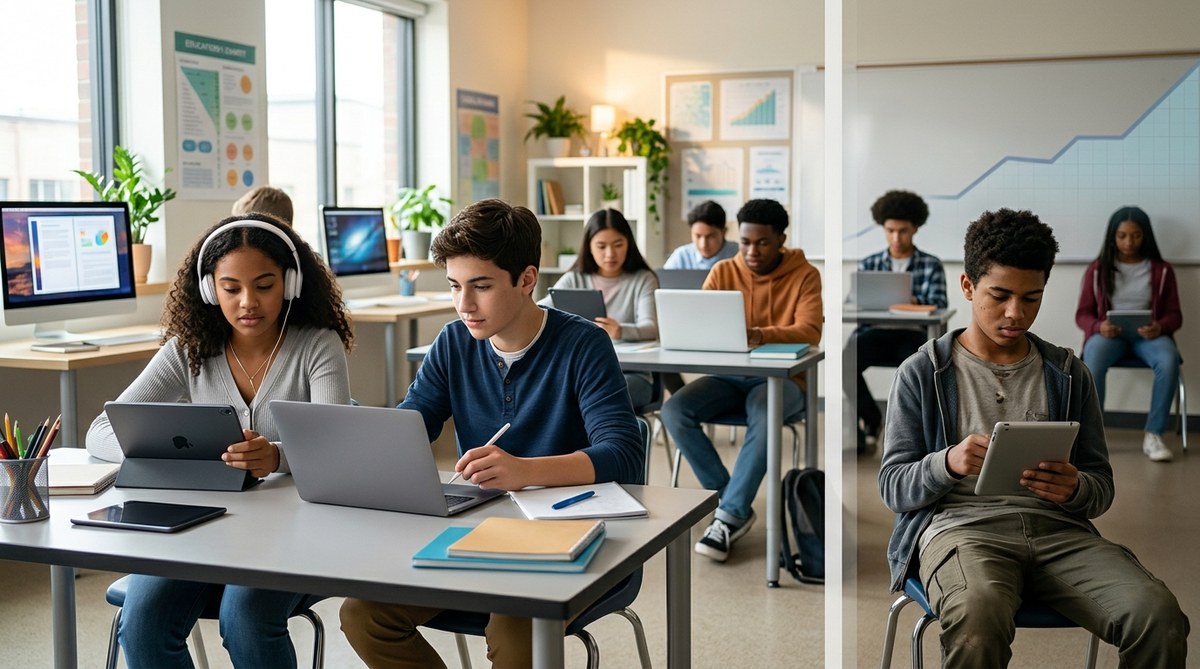
UDL involves designing lessons that accommodate a wide range of learning preferences and abilities. This includes offering multiple ways to access content, engage with material, and demonstrate understanding. Using flexible materials and varied instructional methods reduces barriers.
3. Foster a Collaborative and Respectful Classroom Culture
Encourage respectful interactions, peer support, and collaborative activities. When students work together, they learn to appreciate differences and develop social skills. Establish classroom norms that promote kindness, patience, and openness.
4. Use Differentiated Instruction and Flexible Assessments
Tailor activities and assessments to meet diverse needs. This might involve providing visual aids, hands-on tasks, or alternative ways for students to express their learning. Regularly review and adjust approaches based on student feedback and progress.
5. Incorporate Culturally Responsive Pedagogy
Design lessons that reflect students’ cultural backgrounds and experiences. This builds relevance and engagement, making learning more meaningful. Use diverse perspectives in curriculum materials and discussions.
Techniques and Common Mistakes in Inclusive Education
| Technique | What to Do | Common Mistake |
|---|---|---|
| Differentiated instruction | Adapt teaching based on student needs | Overgeneralizing student abilities |
| Universal Design for Learning | Offer multiple means of engagement, representation, and expression | Relying on one-size-fits-all methods |
| Collaborative learning | Use group work to promote peer support | Ignoring dynamics or unequal participation |
| Culturally responsive teaching | Incorporate diverse perspectives | Using culturally insensitive materials |
“Inclusive education is not about giving everyone the same thing but providing what each learner needs to succeed.”
— Education expert
Addressing Challenges with Practical Solutions
Even with the best intentions, challenges can arise when promoting inclusion. Common obstacles include limited resources, resistance to change, or lack of training. To overcome these issues:
- Prioritize professional development focused on inclusive practices.
- Advocate for resource allocation and support systems.
- Foster a school-wide culture that values diversity and continuous improvement.
Mistakes to Avoid When Promoting Inclusion
- Assuming all students learn the same way.
- Using punitive discipline instead of restorative approaches.
- Neglecting student voice in decision-making.
- Failing to provide accessible materials and resources.
- Overlooking the importance of social-emotional learning.
| Mistake | How to Prevent |
|---|---|
| Ignoring individual needs | Conduct regular assessments and check-ins |
| Relying solely on traditional teaching methods | Incorporate innovative, flexible techniques |
| Not involving students and families | Communicate openly and involve stakeholders |
Expert Advice on Creating Inclusive Classrooms
“Inclusion starts with mindset. Teachers must see every student as capable and deserving of success. Small adjustments in teaching can make a big difference.”
— Dr. Jane Smith, educational psychologist
Moving Beyond Strategies: Building a Culture of Inclusion
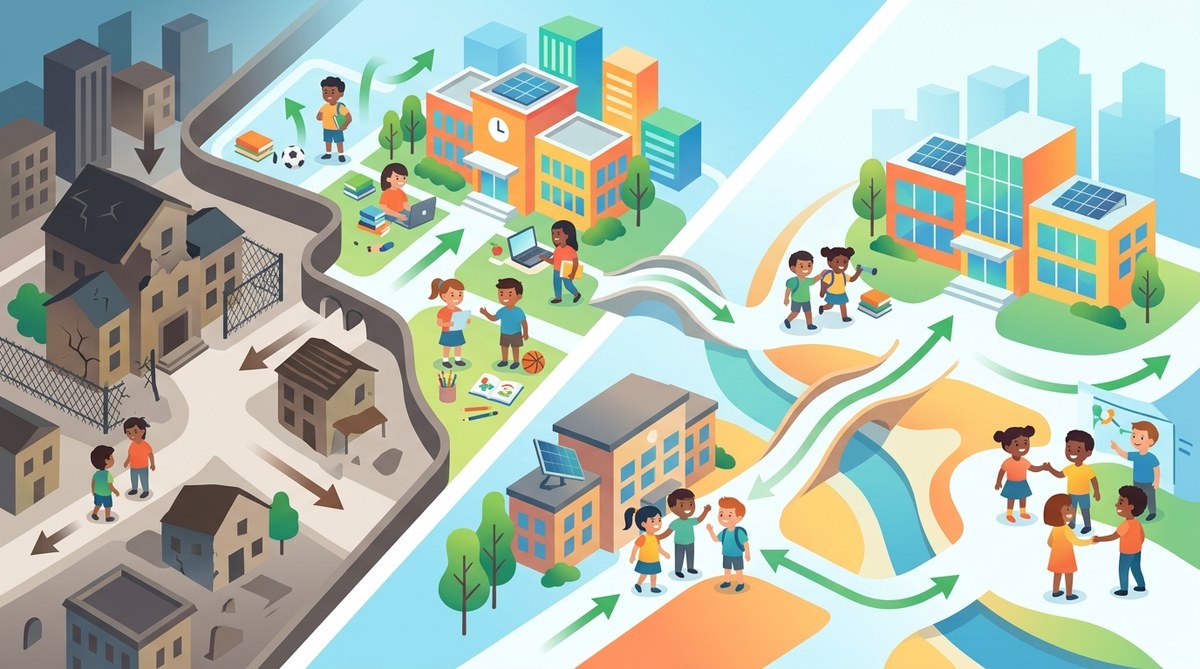
Promoting inclusion is an ongoing journey. It involves continuous learning, reflection, and adaptation. Schools that prioritize inclusive practices often see improved academic outcomes, better social cohesion, and higher student satisfaction.
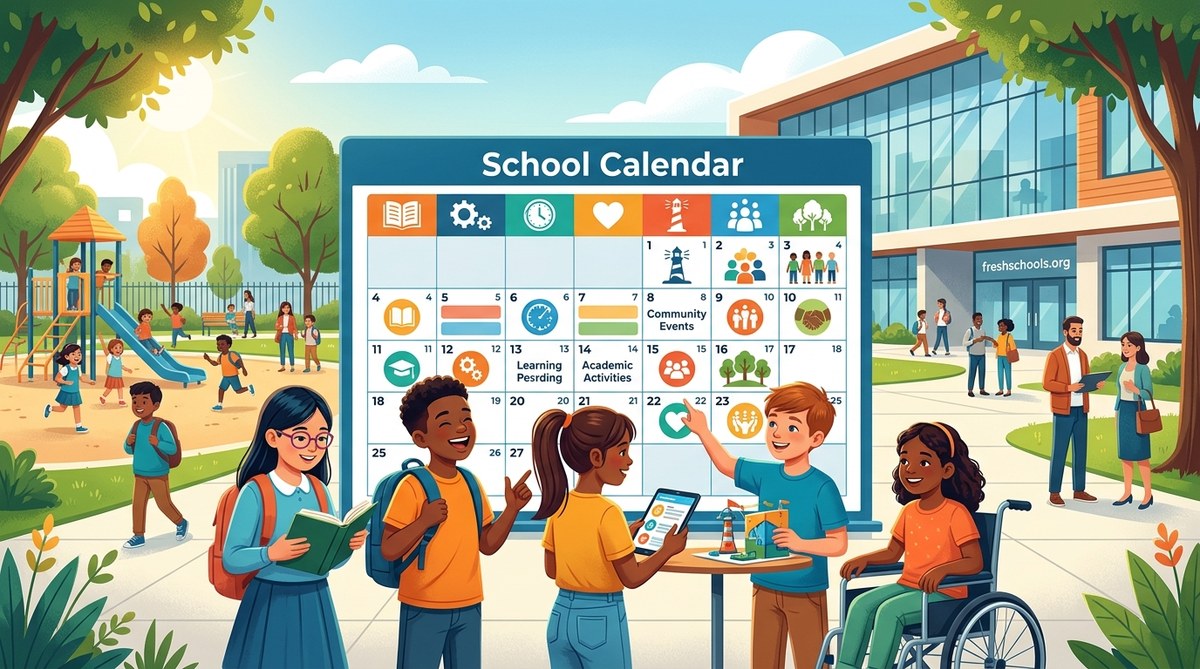
Create opportunities for staff training, encourage student feedback, and celebrate diversity through events and curriculum. Remember, fostering an inclusive environment benefits everyone and lays the foundation for a more equitable society.
Final Steps to Make Your Classroom Truly Inclusive
Begin by assessing your current practices and identifying areas for growth. Set small, achievable goals like incorporating diverse materials or establishing peer support groups. Engage students in conversations about what makes them feel included.
Most importantly, approach inclusion as a shared responsibility. When everyone commits to understanding and respecting differences, classrooms become spaces where all students can flourish.
Embracing Inclusive Education for a Brighter Future
Inclusive education is about more than policies; it is a mindset that values each learner’s unique journey. By applying these practical strategies and fostering a supportive environment, you can make a profound impact on students’ lives. Start today by reflecting on your practices and taking one step toward greater inclusion. The positive change begins with you.