elias
elias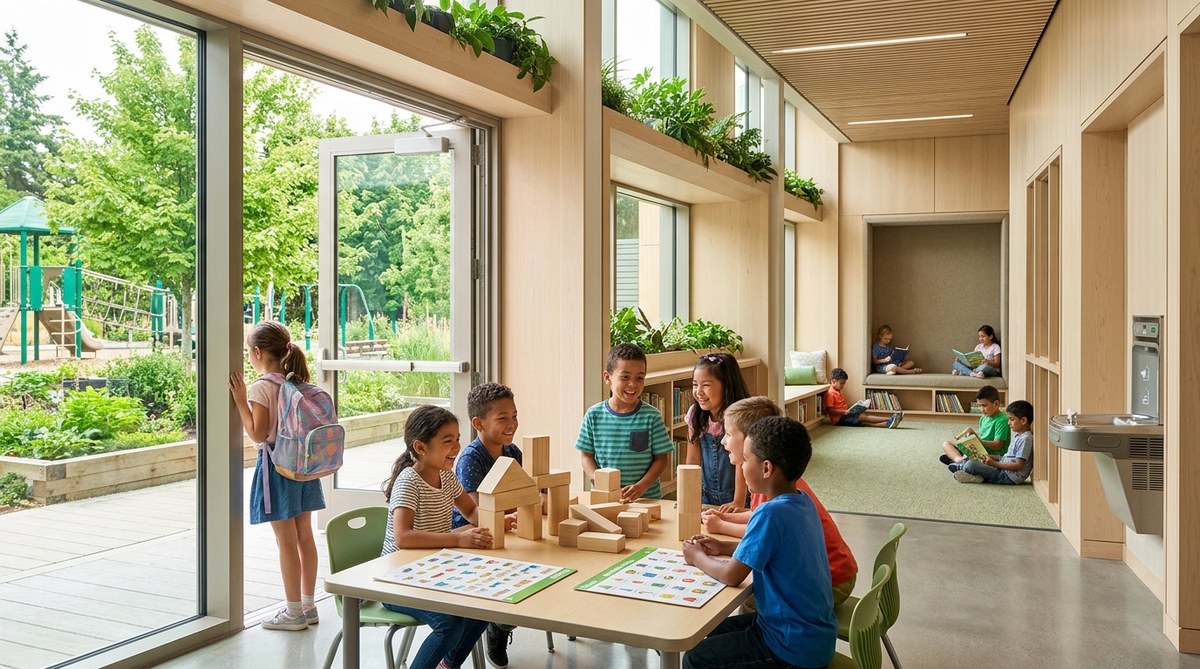
Creating a healthy and nurturing school environment is essential for children’s overall well-being and academic success. Schools are more than just places for learning; they are environments that shape physical health, mental resilience, social skills, and motivation. When schools prioritize healthy settings, they lay a foundation for children to thrive both inside and outside the classroom. Understanding the connection between school environments and child health can help educators, parents, and policymakers implement strategies that foster healthier, more productive learning spaces.
A positive school environment directly influences children’s health and learning success. By creating safe, supportive, and health-promoting spaces, schools help children develop physically, emotionally, and academically. Practical steps include improving physical settings, fostering social-emotional skills, and engaging families in health initiatives. When schools prioritize these elements, they set children up for a healthier, more successful future.
How school environments influence child health and learning
School environments are more than just classrooms and hallways. They encompass physical spaces, social dynamics, policies, and the overall school climate. Each component plays a vital role in shaping a child’s health and ability to learn.
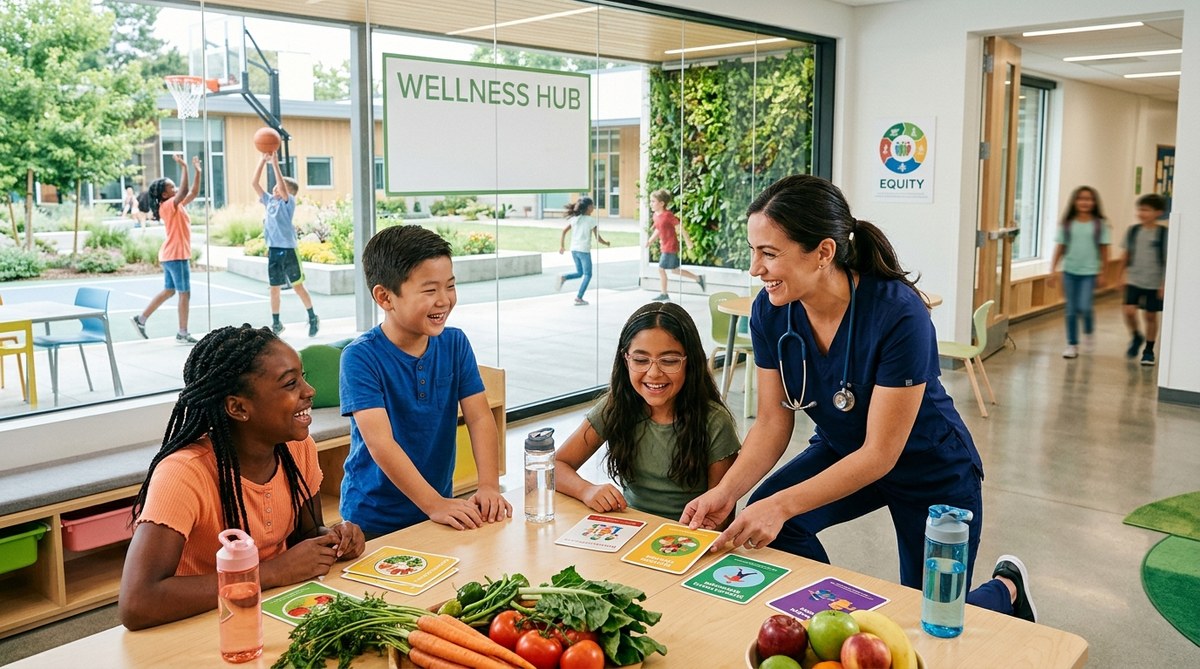
Physical environment includes factors like lighting, air quality, noise levels, outdoor spaces, and safety measures. A well-designed school with natural light, proper ventilation, and green areas can reduce health issues and improve concentration.
Social environment involves relationships among students, staff, and families. Supportive, respectful interactions foster emotional resilience, reduce bullying, and encourage participation.
School policies on nutrition, physical activity, and discipline influence behaviors and health outcomes directly.
Research shows that children in supportive, health-oriented school settings perform better academically and are less likely to experience health problems. For example, schools that promote physical activity and healthy eating help prevent obesity and related illnesses.
Practical steps to enhance school environments for child health
-
Improve physical spaces
-
Use natural lighting and ventilation to reduce health risks.
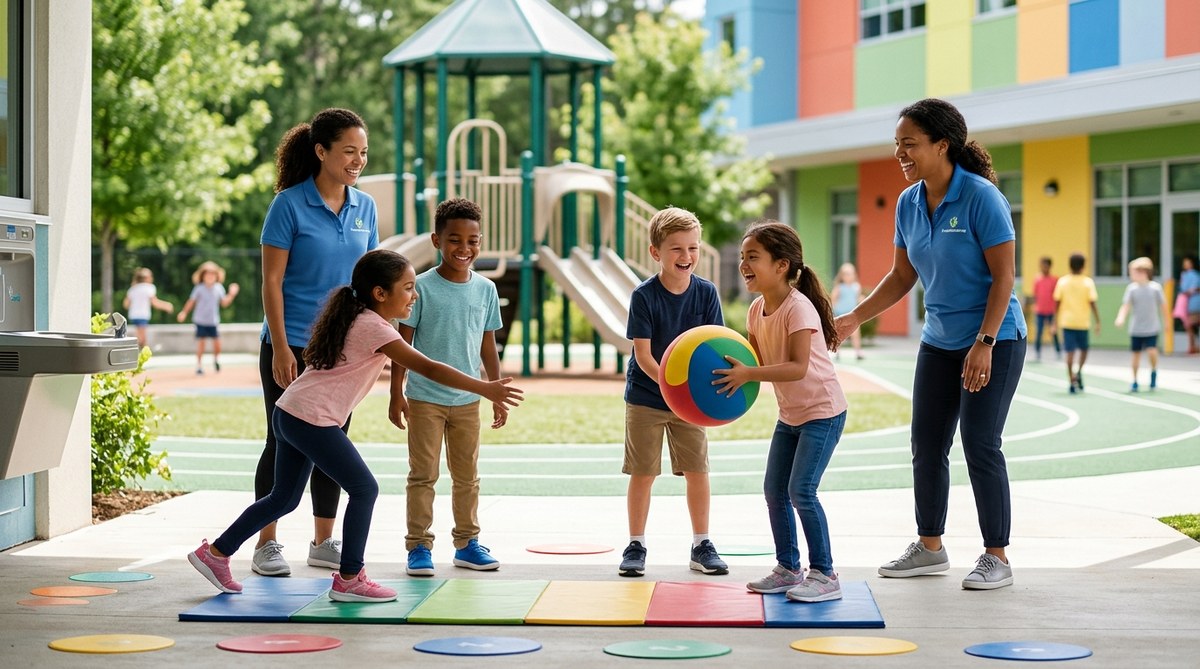
- Create outdoor learning areas and green spaces to promote physical activity.
-
Regularly maintain facilities to ensure safety and comfort.
-
Foster a positive school climate
-
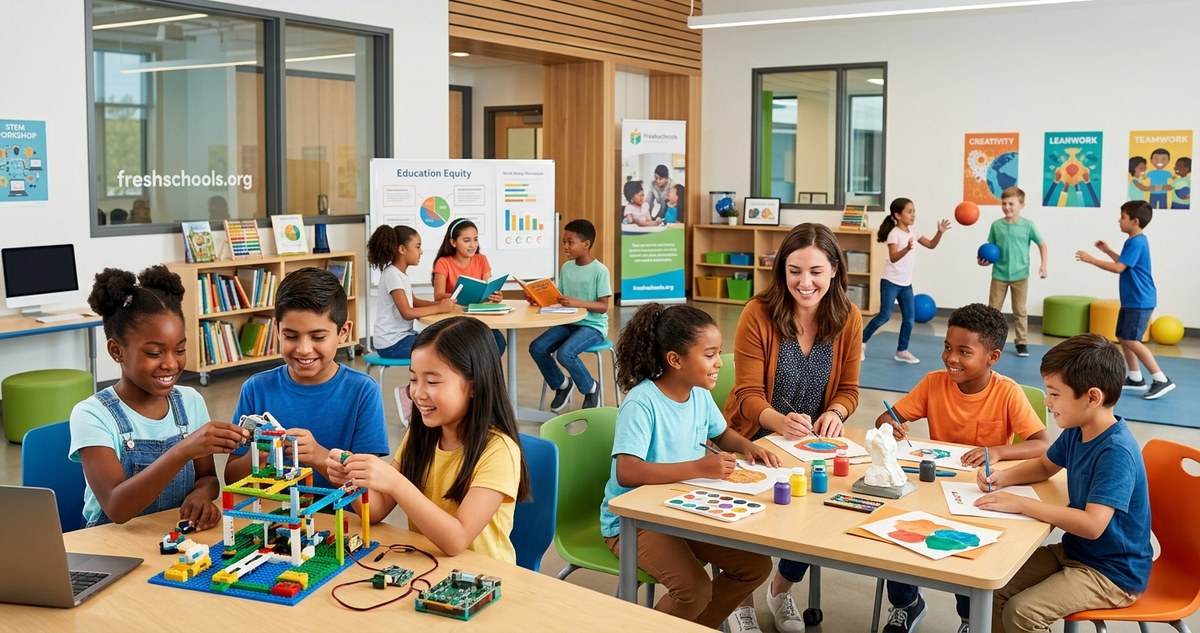
Train staff in social-emotional learning (SEL) to build strong relationships.
- Establish anti-bullying policies and procedures.
-
Promote inclusivity and identity-safe environments where all children feel valued.
-
Engage families and communities
-
Share health and wellness information regularly.
- Invite families to participate in health-promoting activities.
- Collaborate with local health agencies for screenings and resources.
Techniques for creating healthier school environments
| Technique | What It Looks Like | Common Mistakes |
|---|---|---|
| Incorporating outdoor activity spaces | Green yards, sports fields, outdoor classrooms | Ignoring accessibility or safety concerns |
| Implementing SEL programs | Classroom activities focused on emotional skills | Overloading staff without proper training |
| Designing inclusive policies | Anti-bullying, mental health supports | Applying generic policies without tailoring to community needs |
“A school environment that prioritizes health creates a ripple effect—students are more engaged, less absent, and develop habits that last a lifetime,” says Dr. Jane Smith, a child development expert.
The connection between school environment and child well-being
A safe, welcoming school setting reduces stress and anxiety, which are barriers to learning. When children feel secure and supported, they are more likely to participate actively and take academic risks.
Healthy environments also promote physical activity, which improves concentration, memory, and overall health. For example, incorporating movement into lessons or providing accessible playgrounds can make a significant difference.
Mental health support within schools, such as counseling and peer support programs, addresses emotional challenges early. This support helps children develop resilience, better coping skills, and social competence.
Building a culture of health in schools
Creating a culture that values health requires consistent effort and intentional planning. Here are some strategies:
- Integrate health topics into the curriculum, making learning about nutrition, exercise, and mental well-being part of daily lessons.
- Involve students in designing healthy spaces, giving them ownership and a voice.
- Recognize and celebrate health milestones to reinforce positive behaviors.
- Provide ongoing professional development for staff on creating inclusive and health-promoting classrooms.
Common challenges and how to overcome them
- Limited funding: Seek grants or community partnerships to finance improvements.
- Resistance to change: Engage stakeholders early and demonstrate the benefits through data and success stories.
- Balancing safety and freedom: Develop policies that protect while allowing for autonomy and creativity.
| Mistake | How to Avoid It |
|---|---|
| Focusing solely on physical safety | Include emotional and social well-being as priorities |
| Neglecting staff training | Regularly update staff on best practices and new research |
| Ignoring student input | Create channels for student feedback and involvement |
Measuring success and continuous improvement
To ensure efforts are effective, schools should regularly evaluate their environment and health outcomes. Using surveys, health screenings, and academic data can reveal areas for growth.
Monitoring progress helps sustain improvements and adapt strategies as needed. Schools that commit to ongoing assessment foster a culture of continuous improvement, benefiting students and staff alike.
“Data-driven decisions ensure that school health initiatives remain relevant and impactful,” emphasizes Dr. Emily Lee, a school health researcher.
Fostering lasting change for healthier learning spaces
Transforming school environments takes time, dedication, and collaboration. Start with small, manageable changes and build momentum. Engage everyone—teachers, students, parents, and community partners—to create a shared vision.
Remember, a school that prioritizes health not only enhances academic results but also nurtures confident, resilient children ready to face life’s challenges. By investing in physical spaces, social climate, and community involvement, schools become places where children can truly flourish.
A welcoming environment supports lifelong success
Creating a school environment that promotes child health and learning success is an ongoing journey. It involves thoughtful design, nurturing relationships, and active community engagement. Small steps taken today can lead to a healthier, more inclusive, and inspiring space for children to grow.
Encourage your school community to view health and well-being as foundational elements of education. Together, you can build a learning environment where every child feels safe, supported, and motivated to reach their potential.