elias
elias
Picture a high school where any student who wants to take AP Biology or dual enrollment calculus can do so without being filtered out by outdated screening, cost barriers, or a lack of information. This is not just a dream. It is a realistic goal for school districts that commit to equitable access to advanced courses. When we talk about closing the opportunity gap, the conversation often centers on funding, teacher quality, or early childhood programs. But one of the most powerful levers sits right in the middle of a student’s high school experience: access to rigorous coursework. In 2026, that lever is more important than ever.
Expanding equitable access to advanced courses is one of the most effective ways to close the opportunity gap for underserved students. By removing enrollment barriers, providing academic supports, and training teachers in culturally responsive instruction, districts can raise achievement and college readiness for all learners. This article offers a practical roadmap for 2026.
The Opportunity Gap and Advanced Coursework
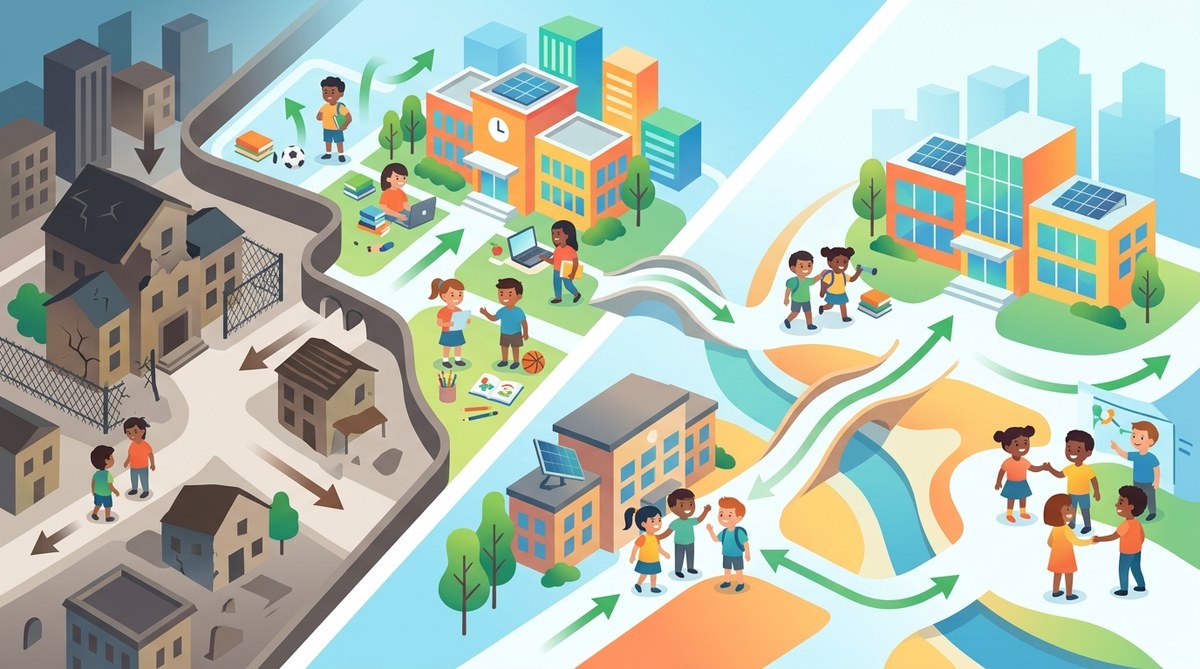
The opportunity gap describes the difference in access to high quality learning experiences between students from affluent backgrounds and those from low income or historically marginalized communities. Advanced courses like AP, IB, and dual enrollment are a key part of this gap. Students who take these classes earn higher GPAs, gain college credit, and develop stronger study skills. Yet Black, Latinx, and Indigenous students enroll in these courses at rates far below their peers.
Why does this happen? It is not a lack of ability. Instead, barriers include:
– Implicit bias in teacher recommendations
– Lack of information about course options and deadlines
– Costs for exam fees or materials
– Scheduling conflicts that force students to choose between advanced classes and electives they need for graduation
– A school culture that tracks students early into less challenging paths
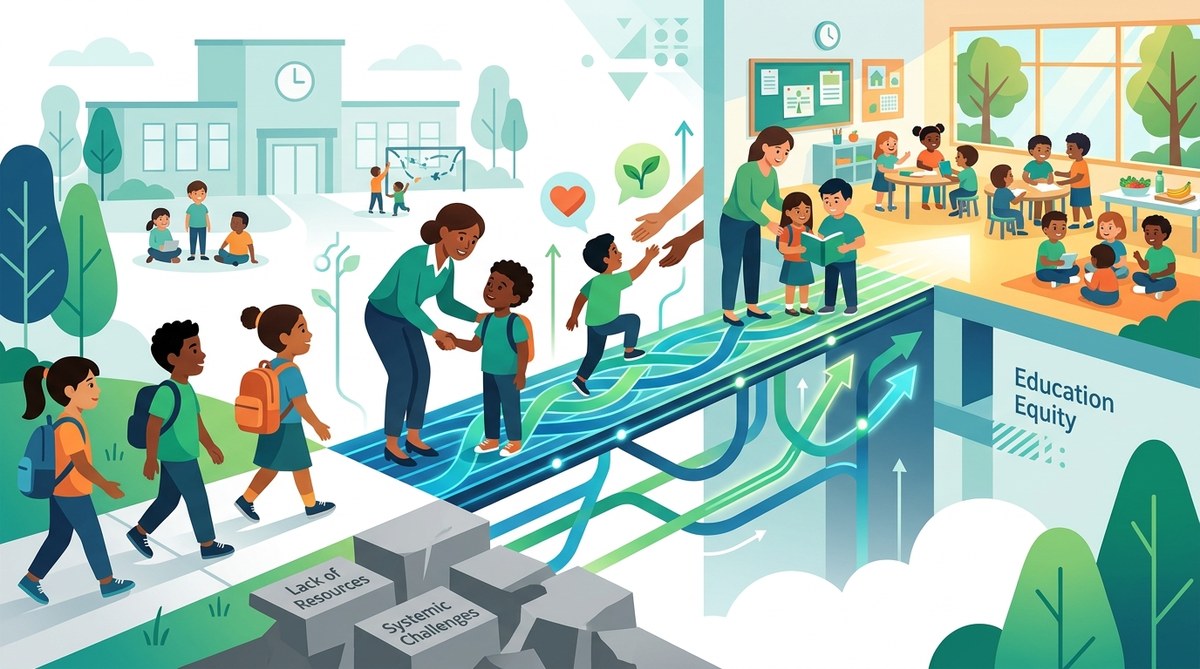
These barriers stack up. By the time a student reaches high school, the path to an advanced diploma often feels blocked. But with intentional policy changes, schools can clear that path for everyone.
Why Equitable Access Matters Now in 2026
The need for action has never been more urgent. The pandemic widened existing gaps, and the class of 2026 is the first cohort to have spent their entire high school years in a post pandemic reality. Colleges are placing greater weight on course rigor in admissions. Employers value critical thinking and problem solving skills that advanced coursework develops.
At the same time, states are adopting new accountability measures that track participation and success rates in advanced classes by student subgroup. This means district leaders are under pressure to show progress. But beyond compliance, there is a moral imperative. Every student deserves the chance to reach their full potential. Equitable access to advanced courses is not a privilege. It is a fundamental part of a just education system.
For a deeper look at the systemic issues that create these imbalances, read about how schools can effectively address systemic barriers to education equity in 2026.
Barriers That Still Persist
Despite decades of talk about equity, many school systems still operate with outdated practices. The table below outlines common barriers and the equitable alternatives that can replace them.
| Outdated Practice | Equitable Alternative |
|---|---|
| Teacher or counselor recommendation as the only gateway | Universal screening and opt out policies |
| Course fees that block low income families | Waived fees and school funded exam subsidies |
| Limited or no communication about advanced options | Targeted outreach in multiple languages, starting in middle school |
| Rigid prerequisites that kill student momentum | Flexible pathways and summer bridge programs |
| One size fits all teaching methods | Professional development in culturally responsive pedagogy |
These changes are not expensive. Many require a shift in mindset and procedure rather than a large budget increase. But they do require leadership.
Practical Steps for District Leaders
If you are a policymaker or superintendent looking to improve equitable access to advanced courses, start with these steps. Each one builds on the last.
-
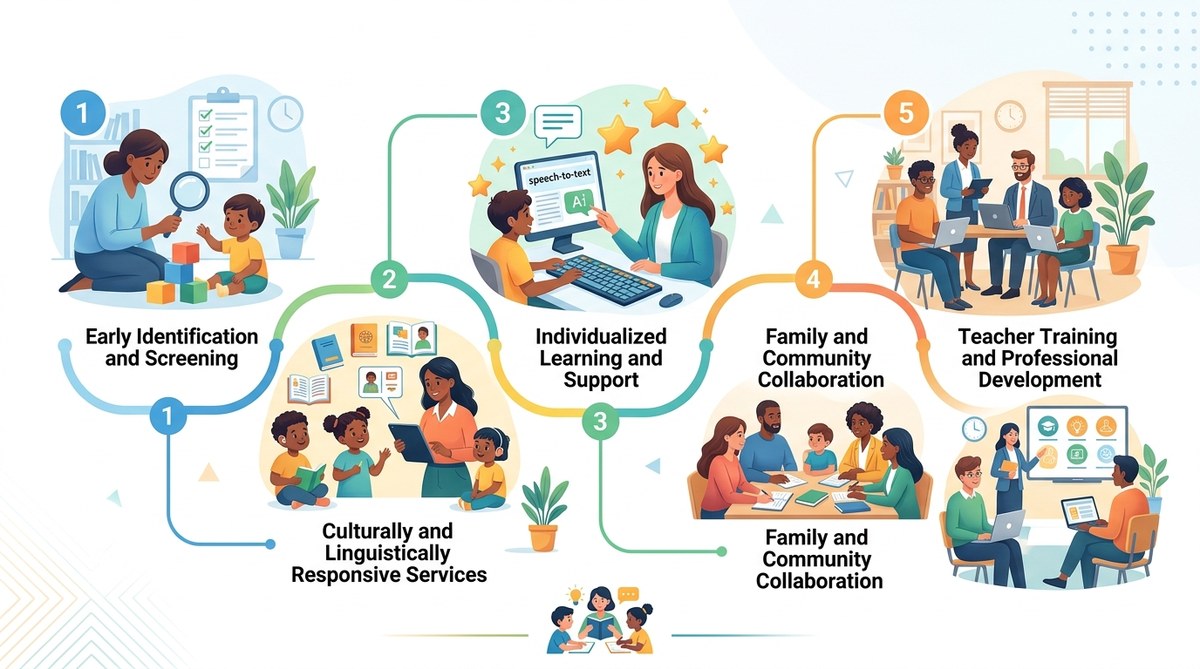
Audit your current enrollment data by subgroup. Look at who is taking advanced courses and who is not. Disaggregate by race, income, English learner status, and special education status. This will reveal the exact points where students are lost. Then set public targets for closing those gaps.
-
Remove gatekeeping practices. Change enrollment policies to opt out instead of opt in. For example, automatically place all students who score at a certain level on a benchmark assessment into the next advanced course, unless a parent or student declines. This simple switch dramatically increases participation.
-
Provide academic supports alongside rigor. Access without support leads to frustration. Offer embedded tutoring, peer study groups, and summer prep sessions. These help students succeed once they are in the class. Also explore mentorship programs, as mentorship programs are critical for education equity in 2026.
-
Train teachers in inclusive instruction. A rigorous syllabus does not matter if the classroom feels unwelcoming. Invest in ongoing professional development that helps teachers build confidence in all students’ ability to succeed. This includes examining their own biases and adapting lessons to diverse backgrounds.
-
Engage families early and often. Many families of color are not aware of advanced course options or the long term benefits. Start conversations in middle school. Host information nights in community centers, send text reminders, and share success stories from families like theirs. Strong parent engagement can eliminate gaps, as shown in how parent engagement can eliminate education gaps in underserved communities.
Common Mistakes to Avoid
Even well intentioned districts can stumble. Here are frequent errors and how to steer clear.
- Mistake: Adding more advanced sections without teacher training. Equitable access is not just about seats. It is about quality instruction.
- Mistake: Focusing only on AP exams and ignoring dual enrollment. Dual enrollment often has lower stakes and higher completion rates.
- Mistake: Measuring success only by enrollment, not by completion and passing rates. You need to track outcomes.
- Mistake: Assuming that once students enroll, they will automatically thrive. Proactive advising is vital.
“The single most important thing a district can do is to believe that all students are capable of high level work. That belief must be backed up with structural changes, not just slogans.” – Dr. Mariana Reyes, Director of Equity Initiatives in a large urban district.
Using Data to Drive Improvement
Data should not be a static report on a shelf. Use it to guide decisions month by month. Track how many students from each subgroup enroll, stay, and pass. When you see a drop off, ask why. For example, if many students leave after the first marking period, the course may need additional support structures. If few students from a particular school sign up, your outreach may be failing.
For a step by step guide on using data effectively, see how to use data to identify and address education gaps in underserved communities. This will help you move from awareness to action.
Also consider reviewing your gifted program criteria, as gifted programs can perpetuate inequality if not designed equitably. Many of the same biases that limit access to advanced coursework also affect gifted identification.
Building a Coalition for Change
No district leader can do this work alone. You need buy in from principals, counselors, teachers, and the community. Start by forming an equity task force that includes parents and students from the groups you are trying to reach. Listen to their experiences. Let them guide your priorities.
Partnerships with community organizations can also strengthen your efforts. For example, local nonprofits can offer tutoring or help with college application fees. Businesses can sponsor exam fees. Community partnerships can strengthen education equity efforts in ways that internal budgets alone cannot.
The Path Forward in 2026
Closing the opportunity gap through equitable access to advanced courses is not a one year project. It is a sustained commitment that requires revisiting policies every semester, celebrating small wins, and being honest when things are not working. But the payoff is enormous. Students who take advanced courses are more likely to graduate, attend college, and earn higher salaries. They develop confidence and a sense of belonging in academic spaces.
Start this week. Pull your enrollment data. Identify one barrier you can remove before the next school year. Talk to a student who might be the first in her family to take an AP class. Ask her what she needs. Then act. That is how we close the gap. Not with grand pronouncements, but with consistent, equitable actions that open doors for every student.