elias
elias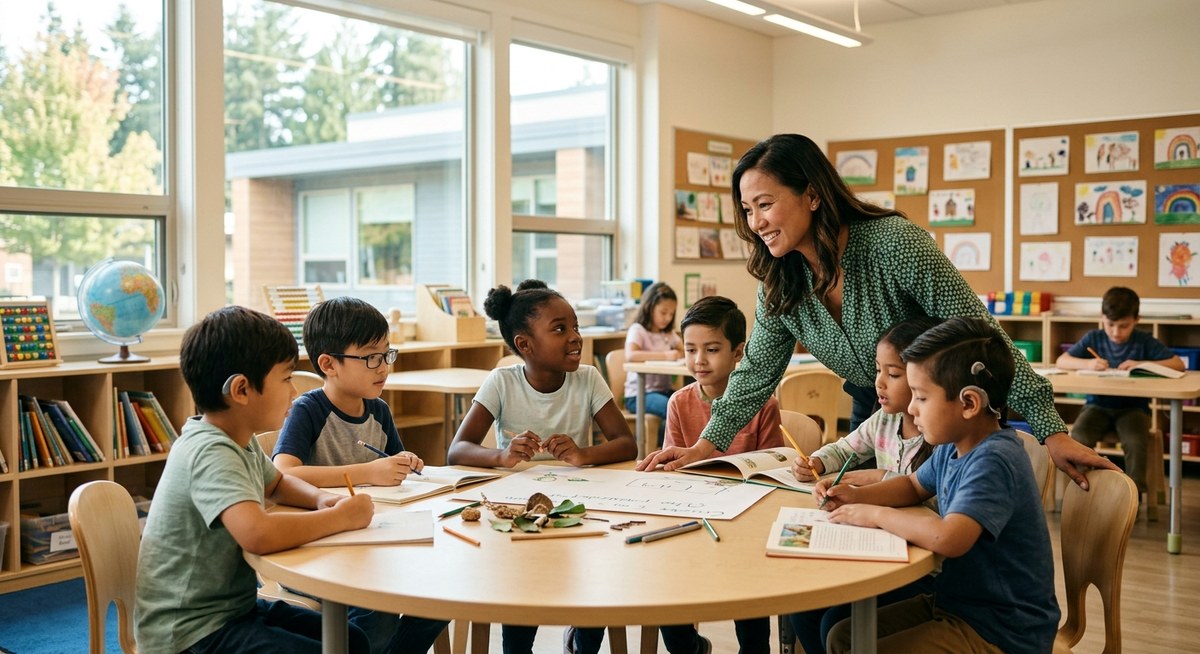
Creating truly equitable classrooms requires more than just good intentions. It involves intentional strategies, respectful practices, and thoughtful policies that recognize and support the diverse needs of all students. In today’s educational landscape, equity is essential for fostering inclusive environments where every learner can thrive. This guide offers insights, practical steps, and proven techniques to help educators, administrators, and advocates work toward educational equity in diverse classrooms.
Understanding the importance of educational equity in diverse classrooms
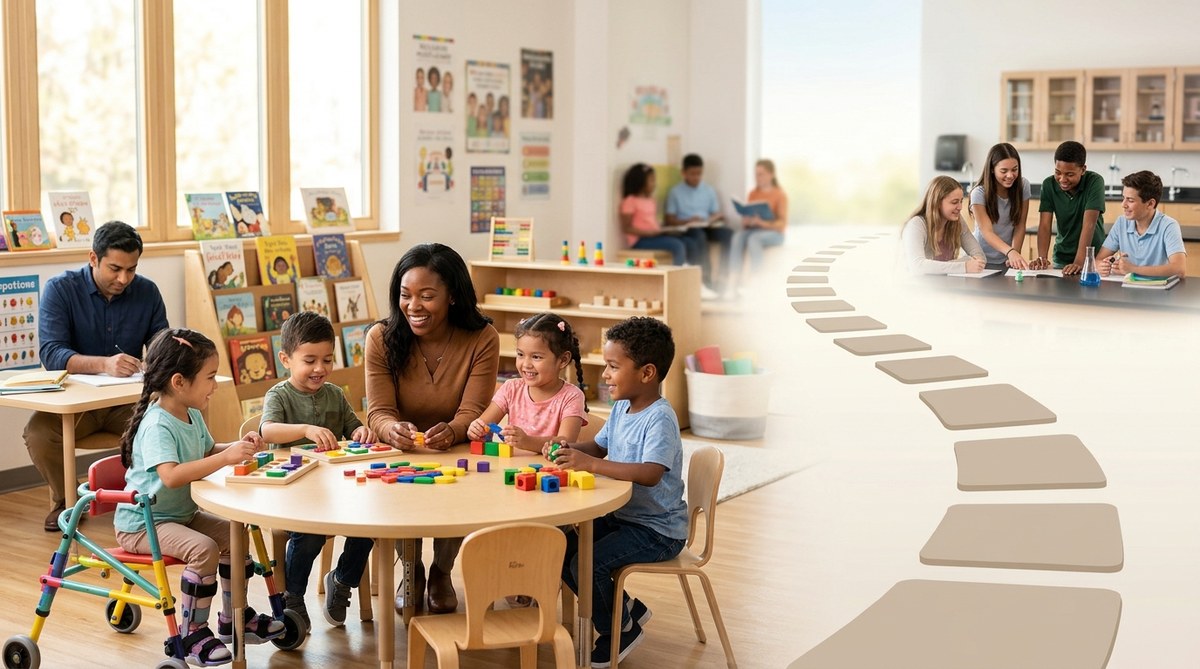
Educational equity means providing all students with the resources, opportunities, and support they need to succeed, regardless of their background or circumstances. In diverse classrooms, students come from different cultural, linguistic, socioeconomic, and ability backgrounds. Without deliberate efforts, disparities can widen, leaving some students behind.
Research shows that equitable teaching practices lead to higher engagement, improved academic performance, and stronger social-emotional well-being. Embracing diversity as a strength, rather than a challenge, allows schools to build more resilient and inclusive learning communities.
Key principles for promoting equity in learning environments
To effectively support educational equity, educators should anchor their practices in several core principles:
- Recognize and value student diversity as an asset.
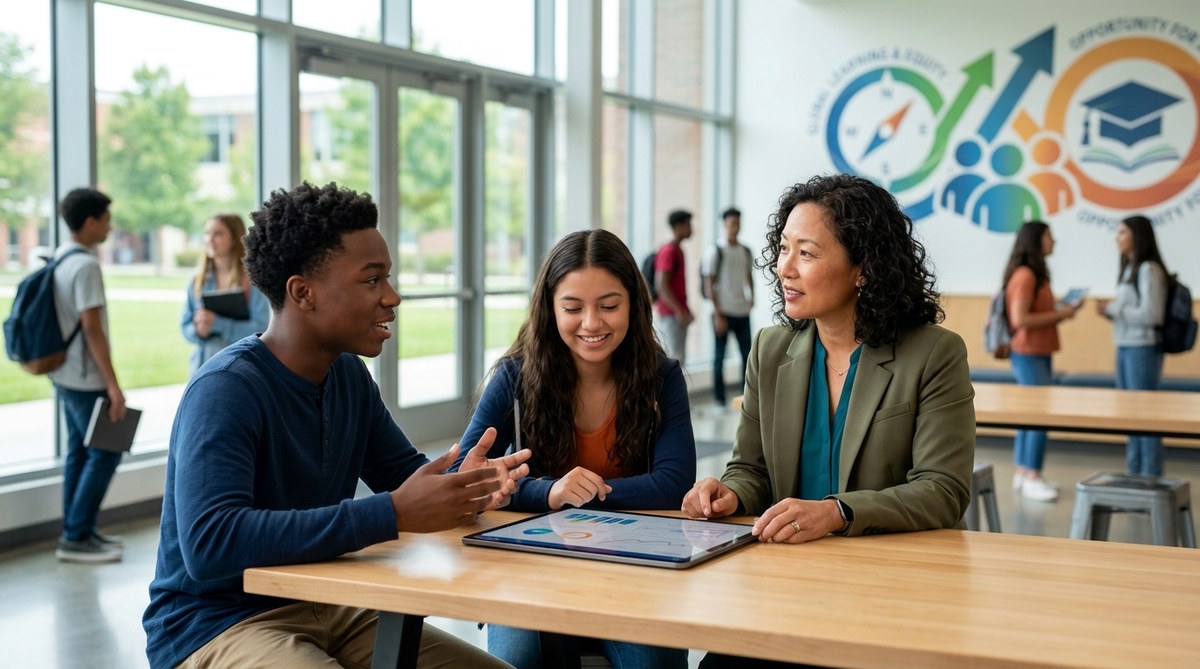
- Build trusting relationships with students and families.
- Use culturally responsive teaching methods.
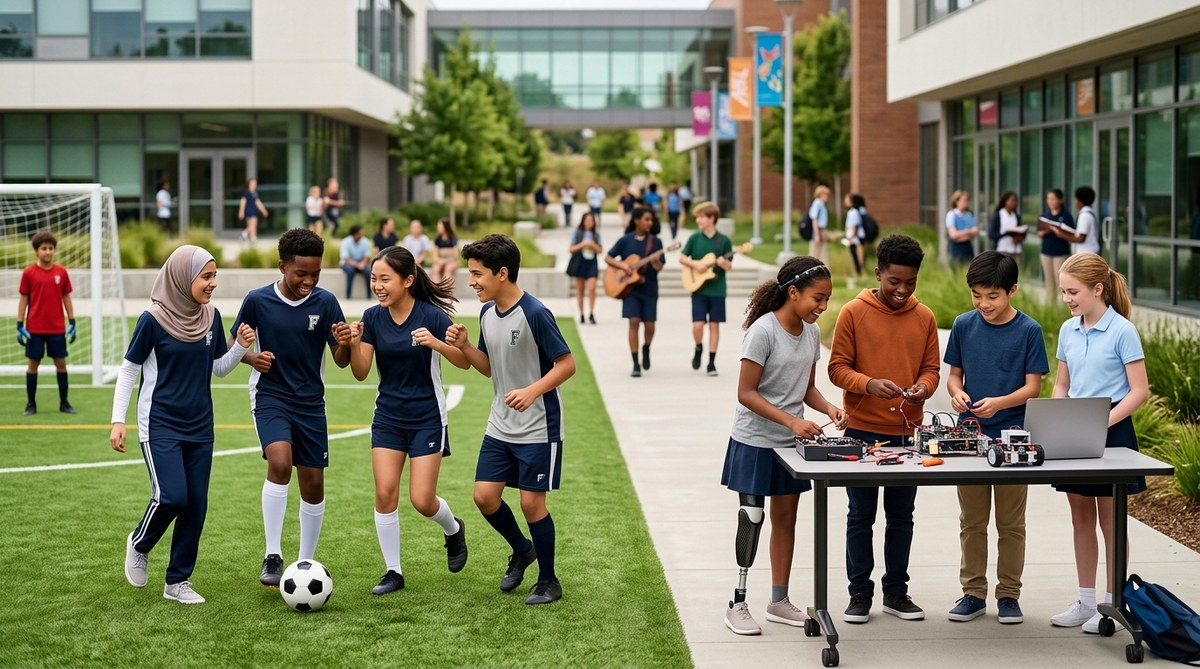
- Foster inclusive classroom climates where all voices are heard.
- Continuously reflect and adapt teaching strategies.
By aligning efforts with these principles, schools can create environments where every learner feels seen, supported, and empowered.
Practical steps to foster equity in classrooms
Implementing equity requires a deliberate process. Here are three steps to guide your efforts:
-
Assess your current practices
Begin by examining your curriculum, assessment methods, and classroom interactions. Are they culturally responsive and accessible to all students? Solicit feedback from students, families, and colleagues to identify areas for growth. -
Develop inclusive policies and routines
Create classroom routines and school policies that promote fairness. This might include flexible assessment options, varied instructional materials, and diverse representation in teaching resources. -
Engage in ongoing professional development
Attend workshops, read research, and participate in collaborative learning communities focused on equity. Continuous learning helps educators stay informed about best practices and emerging challenges.
Strategies for building an equitable classroom
Beyond these steps, specific techniques can make a significant difference:
- Use culturally relevant teaching materials that reflect students’ backgrounds and experiences.
- Differentiate instruction to meet individual learning needs.
- Incorporate student voice in decision-making and classroom activities.
- Foster a growth mindset that emphasizes effort and resilience.
- Address biases and stereotypes openly and respectfully.
Techniques versus common pitfalls
| Techniques to promote equity | Common mistakes to avoid |
|---|---|
| Using diverse texts and examples | Relying on one-size-fits-all materials |
| Creating flexible assessment options | Ignoring individual learning styles |
| Encouraging student agency | Overlooking cultural differences |
| Building relationships with families | Neglecting to challenge biases |
| Reflecting on personal biases | Assuming all students have equal support outside school |
“An equitable classroom is one where all students feel valued, seen, and supported to reach their full potential,” says Dr. Lisa Johnson, an expert in inclusive education. “It requires intentionality and ongoing commitment from educators.”
Techniques for fostering inclusive practices
Here are some practical methods to embed equity into everyday teaching:
- Culturally responsive pedagogy: Incorporate students’ cultural knowledge and experiences into lessons.
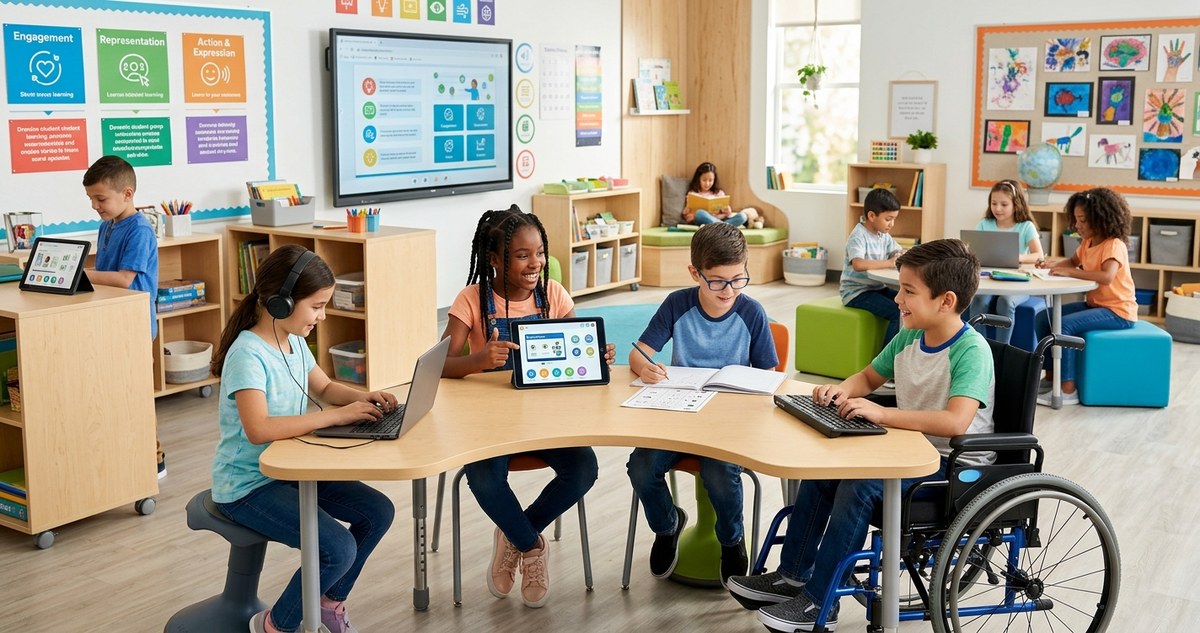
- Universal Design for Learning: Design lessons that are accessible and engaging for all learners.
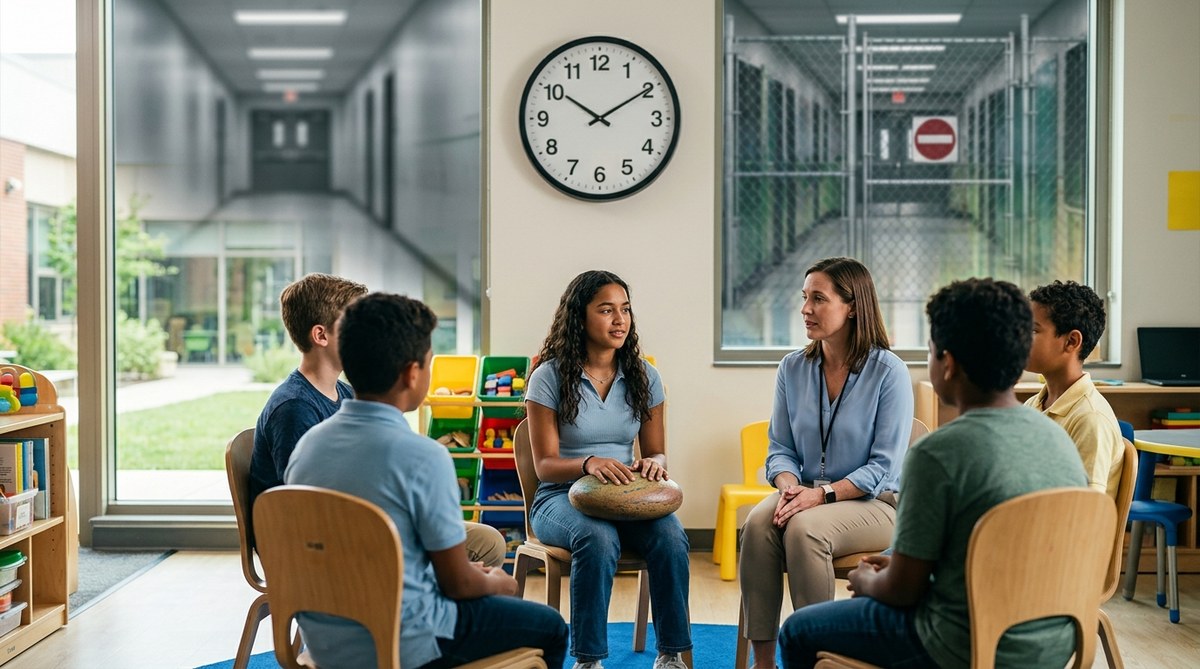
- Restorative practices: Address conflicts and behavioral issues in ways that promote understanding and community.
- Collaborative learning: Use group work to build peer support and diverse perspectives.
- Reflective journaling: Encourage students to share their experiences and reflect on their learning journey.
Overcoming common challenges in pursuing educational equity
Addressing equity issues can bring resistance or obstacles. Here are some tips to navigate common challenges:
- Resistance from staff or parents: Share evidence of the positive impact of inclusive practices and involve stakeholders early.
- Limited resources: Get creative with existing materials and seek community partnerships.
- Bias and stereotypes: Engage in self-reflection and bias training to recognize and challenge personal assumptions.
- Policy constraints: Advocate for policy changes that support inclusive practices at the school or district level.
Measuring progress and sustaining efforts
Monitoring your journey toward equity is vital. Use tools like surveys, student feedback, and academic data to assess impact. Celebrate small wins and recognize the efforts of your team. Remember that creating equitable classrooms is an ongoing process that evolves with your students and community.
Final thoughts: cultivating a culture of inclusivity
Building equitable classrooms is a continuous journey that benefits everyone involved. Small, intentional actions add up over time. Engage students and families as partners in creating a welcoming environment. Reflect on your practices regularly and stay open to learning.
By fostering an environment where all students are valued and supported, educators can help unlock each learner’s potential. The journey toward educational equity transforms not just individual students but entire communities. Take the first step today by examining your current practices and committing to growth.
Creating classrooms where everyone belongs
Supporting educational equity in diverse classrooms is a shared responsibility. Every effort counts. When educators prioritize inclusivity and cultural responsiveness, they lay the foundation for meaningful learning experiences and brighter futures for all students. Keep listening, learning, and adapting. Your commitment makes a difference.