elias
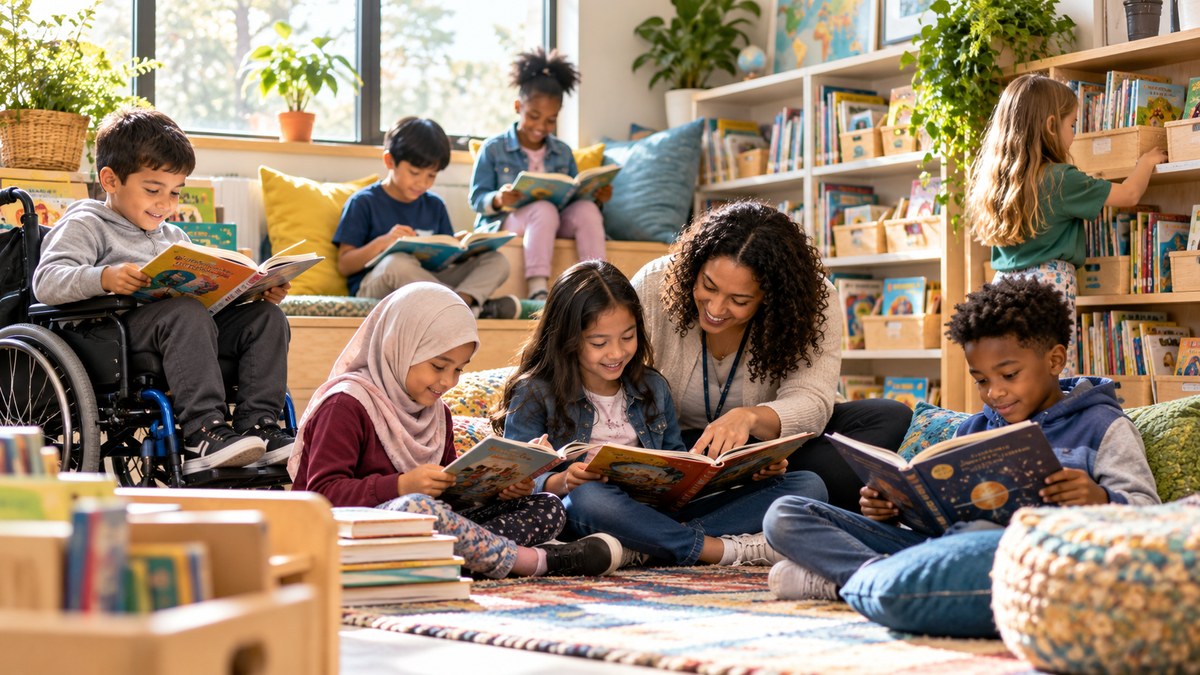
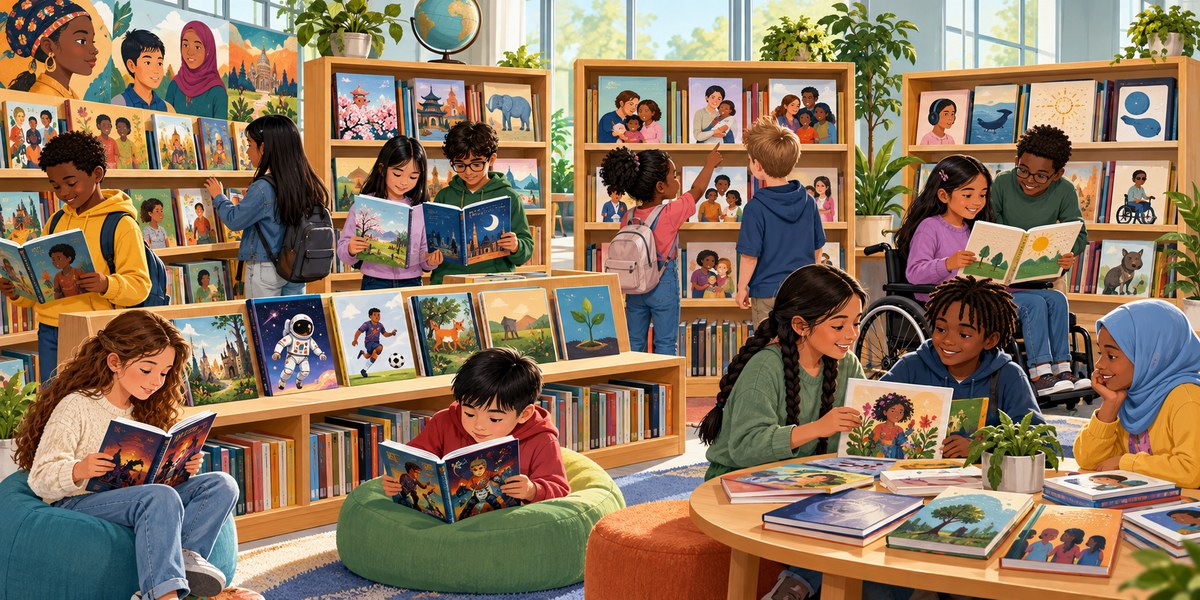
When a student walks into a classroom and sees a bookshelf filled with characters who look like them, speak like them, and live in neighborhoods like theirs, something shifts. That student is more likely to pick up a book. They are more likely to read it with purpose. That small moment of recognition can spark a lifelong love of reading. For educators and literacy coaches, this is not just a nice idea. It is a research-backed strategy for closing persistent achievement gaps. Building an equitable classroom library is one of the most powerful, cost-effective tools we have to improve student reading outcomes in 2026.
Equitable classroom libraries directly boost literacy by providing mirrors, windows, and sliding glass doors for every student. When children see themselves in stories and learn about others, reading engagement rises. This engagement leads to improved comprehension, vocabulary, and fluency. By intentionally curating diverse texts, educators can close literacy achievement gaps and create a classroom culture where all students feel valued and capable.
Why Representation in Classroom Libraries Matters for Literacy
The link between representation and literacy is not abstract. When students encounter characters with similar lived experiences, their background knowledge activates. They make stronger connections to the text. This process, known as the “mirror” effect, builds comprehension skills faster than when a student feels disconnected from the material. A 2025 study from the National Literacy Panel found that students in classrooms with diverse libraries showed a 15 percent improvement in reading comprehension scores compared to peers in classrooms with homogenous collections.
On the flip side, books also serve as “windows.” They allow students to see worlds different from their own. This builds vocabulary and critical thinking. A student reading about a family celebrating Diwali learns new words, traditions, and perspectives. That cognitive stretch is exactly what literacy development requires.
“A classroom library that reflects the full range of human experience is not a luxury. It is a necessity for developing skilled, empathetic readers.” — Dr. Patricia Edwards, literacy researcher and former president of the International Literacy Association.
The Hidden Cost of an Inequitable Classroom Library
Many well-intentioned teachers inherit bookshelves filled with classics, award winners, and donated titles. These collections often center on white, middle-class, English-speaking characters. When students from marginalized backgrounds never see themselves in stories, a subtle message takes root: “This place is not for me. Reading is not for me.”
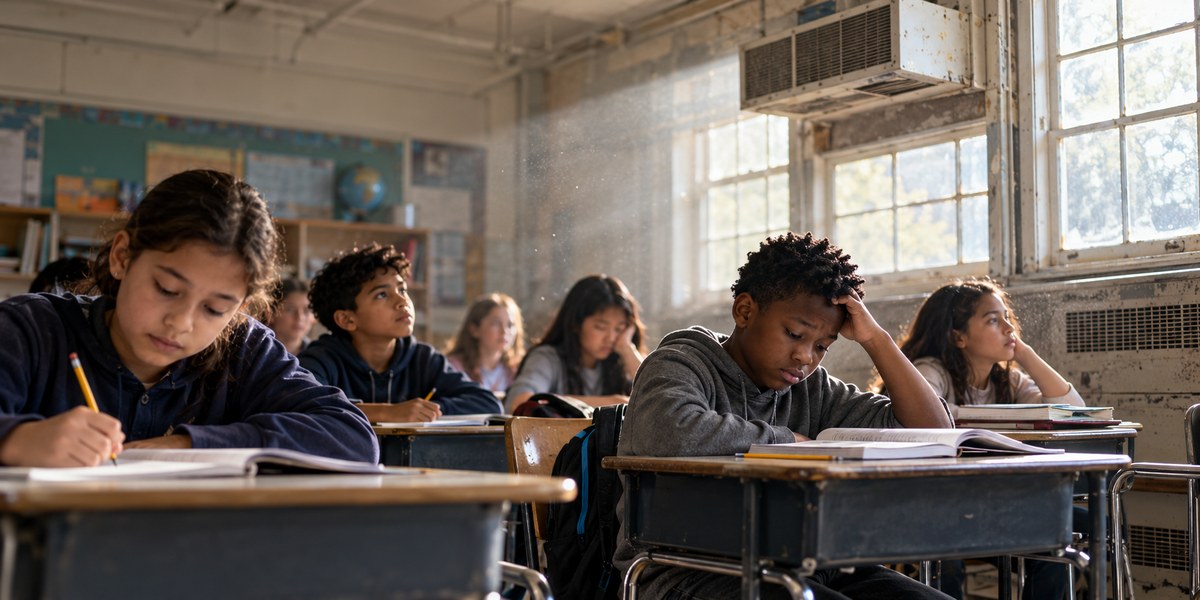
This phenomenon contributes directly to the literacy gap. Students who feel excluded from the reading experience disengage. They read less. Their fluency stalls. By the time they reach middle school, the gap is wide and hard to close. An inequitable library does not just fail to help. It actively harms student motivation.
How to Build an Equitable Classroom Library: A Step-by-Step Process
Building a library that supports equitable classroom libraries literacy does not require a huge budget. It requires intention. Use this numbered process to get started.
-
Audit your current collection. Pull every book from your shelves. Sort them by protagonist race, culture, family structure, ability, and language. Use a simple spreadsheet. Note gaps. You might discover that 80 percent of your books feature white characters or that none of your stories include a character with a disability.
-
Set a diversity goal. Aim for at least 50 percent of your collection to feature protagonists from marginalized groups. This includes characters of color, LGBTQ+ families, characters with disabilities, and stories set in non-Western countries. Write your goal down and share it with your literacy coach or librarian.
-
Source books intentionally. Look beyond the standard catalogs. Seek out publishers like Lee & Low, Children’s Book Press, and Indigenous-owned presses. Check your local public library for rotating collections. Use grant money from sources like DonorsChoose to fund new purchases. Do not rely solely on donations, which often reinforce existing gaps.
-
Organize for access. Place books at eye level. Group them by genre, theme, or reading level. Do not create a separate “diverse books” section. That approach can isolate the very titles you want to normalize. Instead, weave diverse books into every section of your library.
-
Rotate and refresh. An equitable library is not a one-time project. Commit to adding new titles each quarter. Remove worn or outdated books. Track which books circulate the most and which sit untouched. Use that data to refine your next purchase.
Common Mistakes to Avoid When Building Equitable Libraries
Even with good intentions, educators can fall into traps that undermine their efforts. The table below outlines three frequent mistakes and the better approach.
| Mistake | Why It Hurts Literacy | Better Approach |
|---|---|---|
| Adding a few diverse books and stopping | Students notice tokenism. It can feel performative. | Aim for a critical mass of diverse titles so representation feels natural. |
| Choosing books based on awards only | Award lists often favor mainstream, white authors. | Read reviews from sources like We Need Diverse Books and School Library Journal. |
| Forgetting to include the teacher’s own reading | If you never model reading diverse books, students may not pick them up. | Do read-alouds from your diverse collection. Talk about why you loved the book. |
What to Look For When Selecting Books for an Equitable Library
Not every diverse book is a good fit. Quality matters. Use this bulleted list as a checklist when evaluating a new title for your equitable classroom libraries literacy initiative.
- Authentic authorship. Whenever possible, choose books written by authors from the culture being represented. Own voices stories carry more nuance and avoid stereotypes.
- Rich language. Look for books with strong vocabulary, sentence variety, and compelling plots. A diverse book that is poorly written will not boost literacy.
- Positive portrayals. Avoid books where the only character of color is suffering or needs saving. Seek stories that show joy, humor, and everyday life.
- Multiple reading levels. Your library should include picture books, early readers, chapter books, and graphic novels. Every student should find something they can read successfully.
- Contemporary and classic. Balance modern stories with timeless tales. A 2026 classroom should have books published this year alongside beloved classics like “The House on Mango Street.”
How Equitable Libraries Close Achievement Gaps in Real Classrooms
Let us look at a concrete example. In a third grade classroom in Atlanta, teacher Maria Santos noticed that her Black and Latino boys were not choosing books during independent reading time. She audited her library and realized she had no chapter books with Black male protagonists. She added the “Jaden” series and “The Great Pet Escape.” Within two weeks, those same boys were checking out books, talking about plots, and writing in their reading journals. Their mid year reading assessment scores jumped by an average of 12 points.
This is not magic. It is motivation meeting opportunity. When students see reading as something for them, they practice more. Practice builds skill. Skill builds confidence. That cycle closes gaps.
For more on creating environments where all students thrive, read about strategies to promote inclusive education for all students. You can also learn how building school policies that support child wellbeing and equity reinforces the work you do with your library.
Measuring the Impact of Your Equitable Classroom Library
You cannot improve what you do not measure. Track these three data points over the school year.
- Circulation rates. Which books are checked out most often? Are diverse books circulating at similar rates to mainstream titles?
- Student reading logs. Are students from marginalized groups reading more frequently? Are they choosing diverse books?
- Assessment scores. Compare reading comprehension and fluency scores from the beginning of the year to the end. Look for growth among historically underperforming subgroups.
Share this data with your literacy coach and principal. It makes a strong case for continued funding and support. It also helps you identify which books are working and which are not.
Sustaining Your Equitable Library Through 2026 and Beyond
An equitable classroom library is a living thing. It grows and changes with your students. Here are three ways to keep it vibrant.
- Involve students in selection. Let them recommend books. Create a “student pick” shelf. This builds ownership and excitement.
- Partner with your school librarian. They can help you find grants, swap books between classrooms, and order new titles through your district’s purchasing system.
- Attend professional development. Look for workshops on culturally responsive teaching and literacy. Many are available online through organizations like the National Council of Teachers of English.
If you want to go deeper, read about creating inclusive learning spaces that foster student engagement. You might also find value in the impact of school design on student well-being and academic success.
Your Library, Your Students, Their Future
Building an equitable classroom library is not a side project. It is a core teaching strategy. It tells every student that they belong. It gives them the tools to become strong readers. And it closes the gaps that have persisted for too long in American education. Start with one shelf. Add one book at a time. Watch what happens when your students see themselves in your stories. That is where literacy growth begins.