elias
elias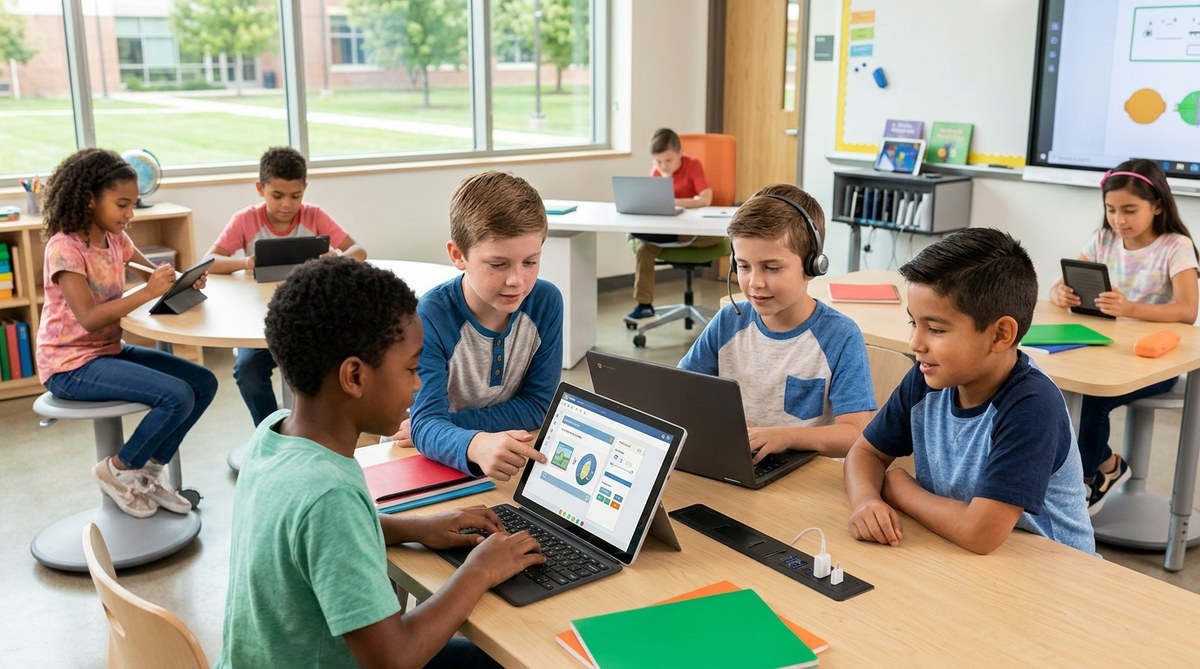
Technology has the power to transform education, especially when it comes to bridging gaps and creating equitable learning environments. In a country as diverse as the United States, ensuring all students have access to quality education is a continual challenge. Technology can be a crucial tool in addressing disparities and helping every learner reach their potential. But how exactly can we harness this power to promote true educational equity? Let’s explore practical strategies, common pitfalls, and inspiring examples that are shaping the future of equitable education through technology.
Technology offers powerful tools to reduce educational disparities. By expanding access, supporting inclusive practices, and focusing on digital literacy, educators and policymakers can create more equitable learning opportunities for all students across the U.S.
Understanding the role of technology in advancing educational equity
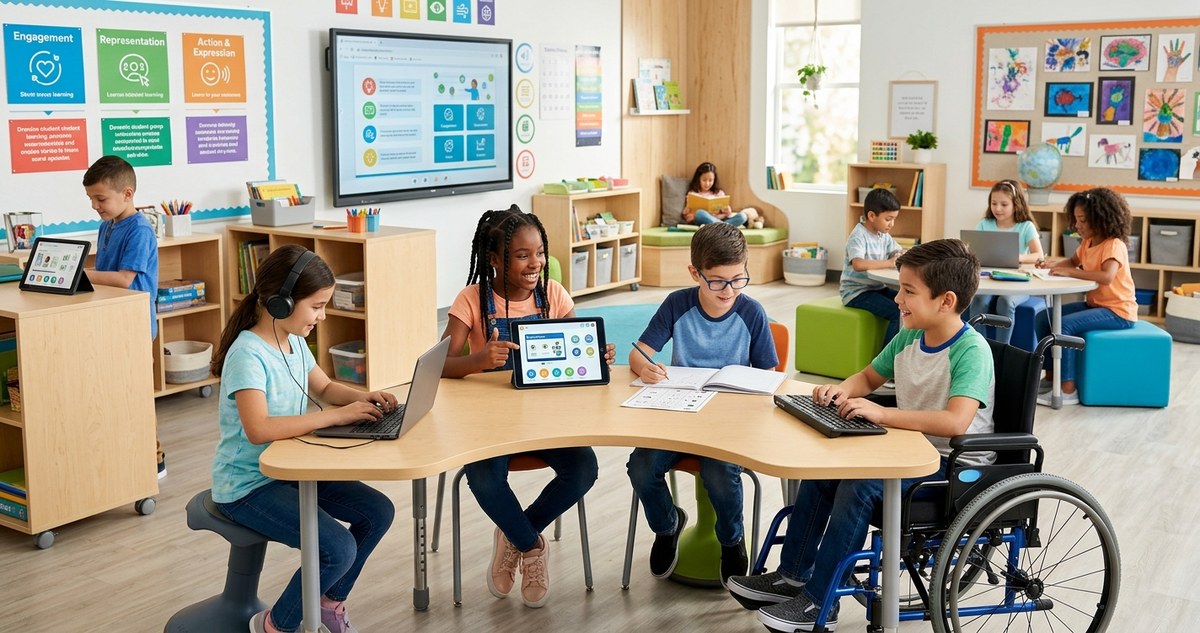
Technology influences many aspects of education—from online learning platforms to data-driven instruction. Its potential lies in making learning more accessible, personalized, and engaging. For marginalized students, technology can serve as a bridge over barriers like geographic isolation, language differences, or lack of resources.
However, technology itself is not a cure-all. Its effectiveness depends on how it is integrated into teaching practices and supported by policies. When used thoughtfully, technology can help close gaps by providing tailored support, amplifying student voice, and fostering inclusive classroom environments.
Practical steps to leverage technology for education equity
Implementing technology with an equity-focused lens involves strategic planning and ongoing evaluation. Here are three key processes to consider:
-
Assess student access and needs.
Understanding what technology and internet access students have is the foundation for effective intervention. Conduct surveys or use data to identify gaps in device availability and connectivity. -
Invest in infrastructure and devices.
Schools should prioritize providing devices to students who lack them and ensure reliable internet access. Partnerships with community organizations or government programs can help fund this effort. -
Support digital literacy and inclusive teaching.
Equip teachers with training on how to incorporate technology into their instruction in ways that support diverse learners. Focus on building digital skills for students and families, especially in underserved communities.
Strategies for creating equitable technology-rich learning environments
- Use adaptive learning software that personalizes content based on student progress.
- Incorporate bilingual digital tools to support language learners.
- Foster collaboration through online projects that connect students from different backgrounds.
Common pitfalls and how to avoid them
| Technique | Mistake |
|---|---|
| Providing devices without training | Teachers and students struggle to use technology effectively. |
| Ignoring student access disparities | Some students remain behind because they lack basic tools. |
| Relying solely on online content | Students without internet are excluded from learning. |
“Technology should be a bridge, not a barrier. When used intentionally, it can empower students who have traditionally been left behind.” — Education technology expert Dr. Lisa Hernandez
Addressing barriers to digital equity
Achieving true education equity involves recognizing and overcoming obstacles that prevent access and participation. Here are techniques for doing so:
- Create a comprehensive digital equity plan that includes infrastructure, device access, and digital skills training.
- Partner with local organizations to provide free or low-cost internet options to families in need.
- Implement culturally responsive digital content that reflects students’ backgrounds and languages.
| Technique | Mistake |
|---|---|
| One-size-fits-all training | Fails to meet the varied needs of teachers and students. |
| Ignoring family engagement | Overlooks the role of families in supporting digital literacy. |
| Focusing only on hardware | Neglects the importance of curriculum and teacher support. |
The importance of data-driven approaches
Using data to inform decisions can help identify gaps and monitor progress. Schools can track device usage, internet access, and student engagement to adjust strategies in real time. Data analysis also reveals which groups are still underserved and guides targeted interventions.
Resources to support technology and education equity
- Local broadband expansion programs
- Grants for underserved schools
- Digital literacy training modules for educators and families
Final thoughts: Building an inclusive future through technology
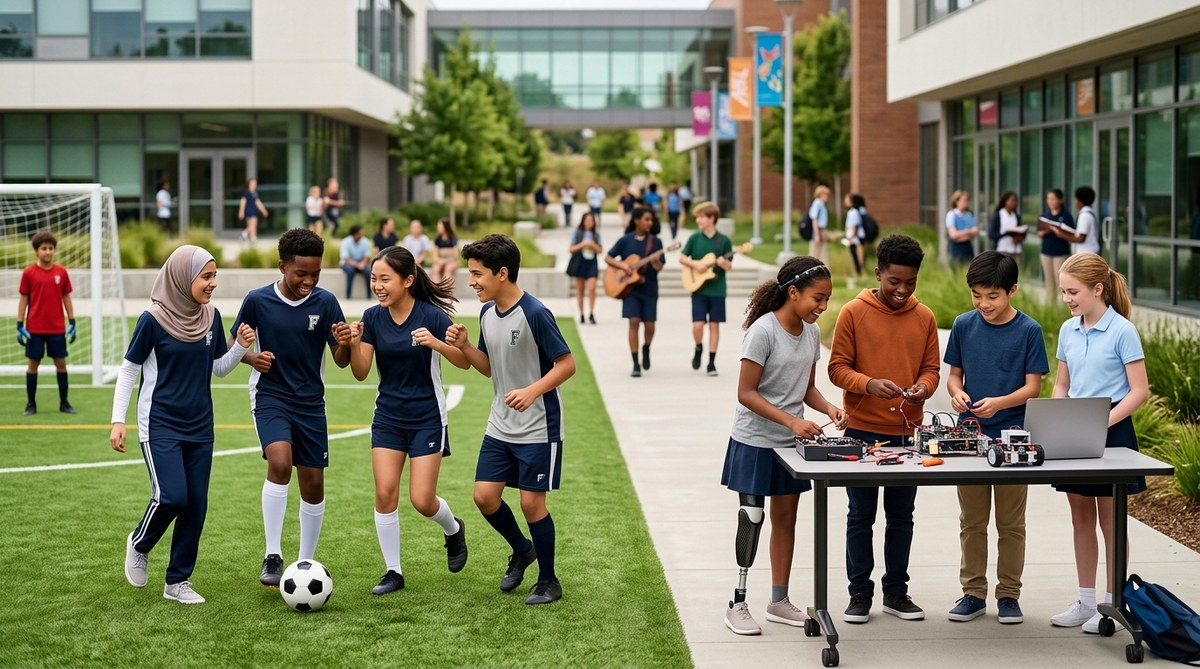
Technology has the potential to reshape education into a more equitable space. By intentionally designing systems that consider access, inclusion, and cultural relevance, educators and policymakers can ensure that every student benefits from digital innovations. Small steps, like targeted device distribution and ongoing teacher training, can lead to big changes. Embracing technology as a tool for equity can help create a future where all students have the opportunity to succeed.
Harnessing technology to foster a more equitable learning landscape
Creating equitable education environments requires ongoing commitment and collaboration. As technology continues to evolve, so do opportunities to make learning more inclusive and accessible. By focusing on practical strategies and addressing barriers head-on, educators can turn digital tools into powerful catalysts for educational justice. Every effort counts in building a future where all students, regardless of background, can thrive through the support of technology.