elias
elias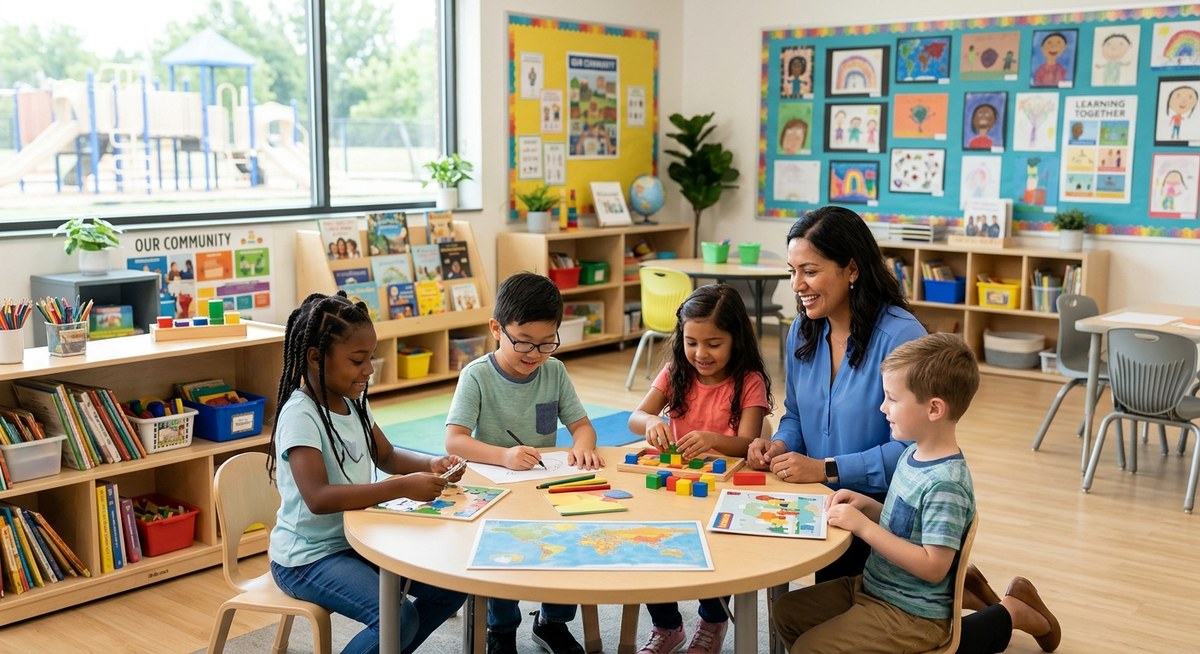
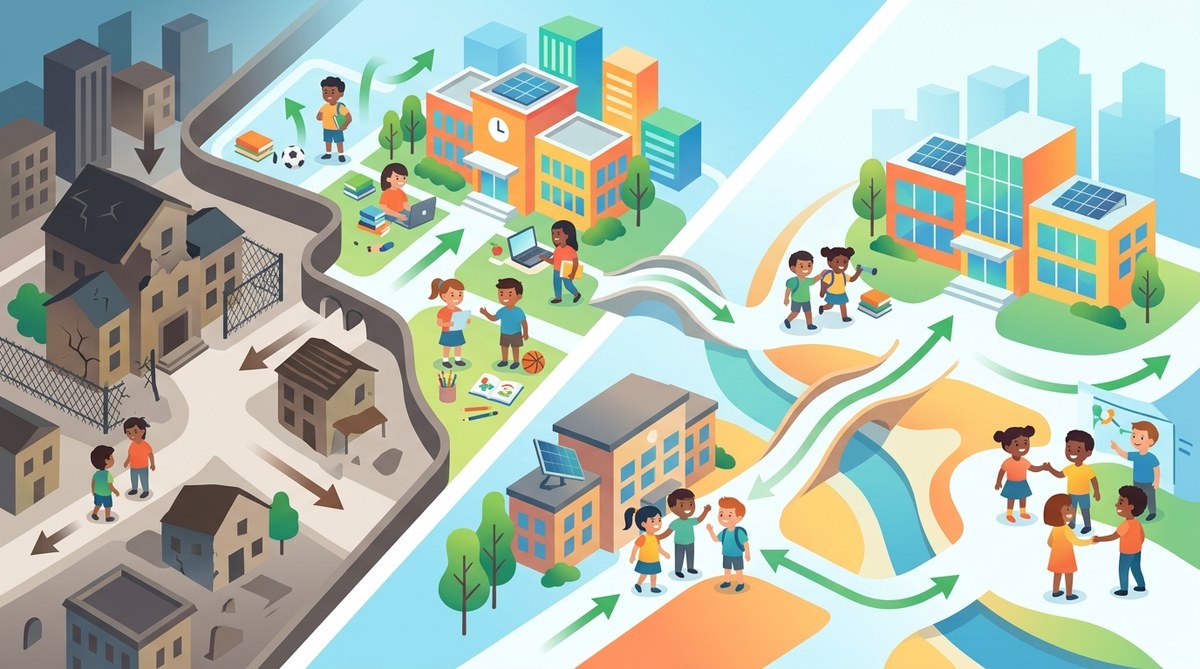
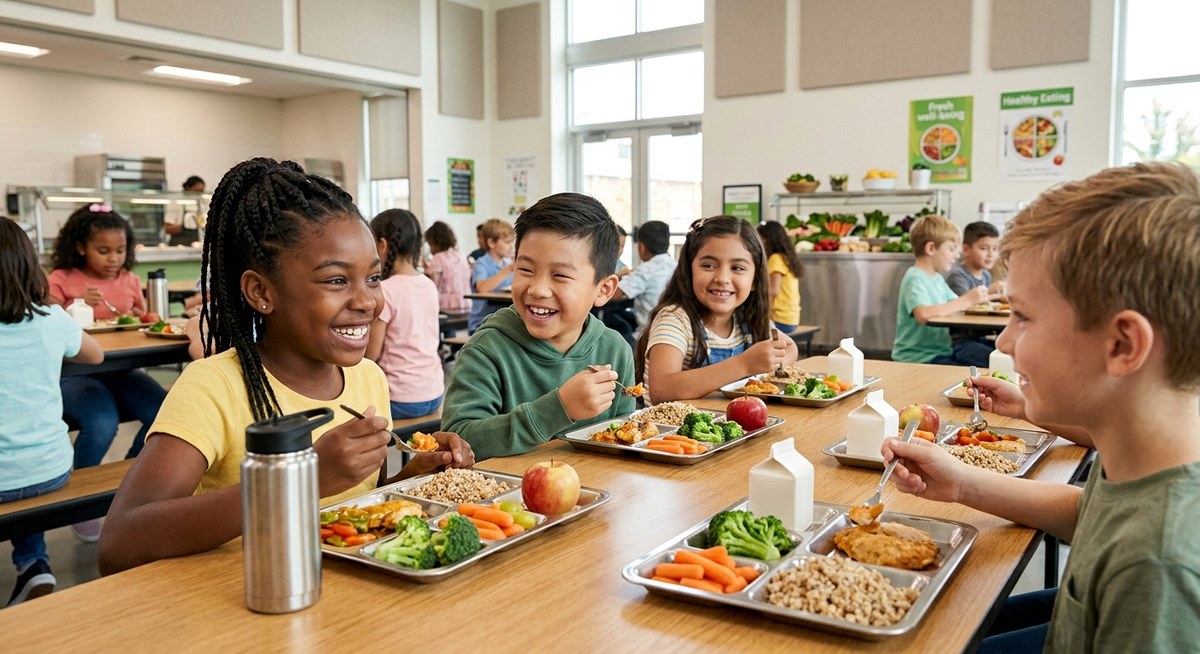
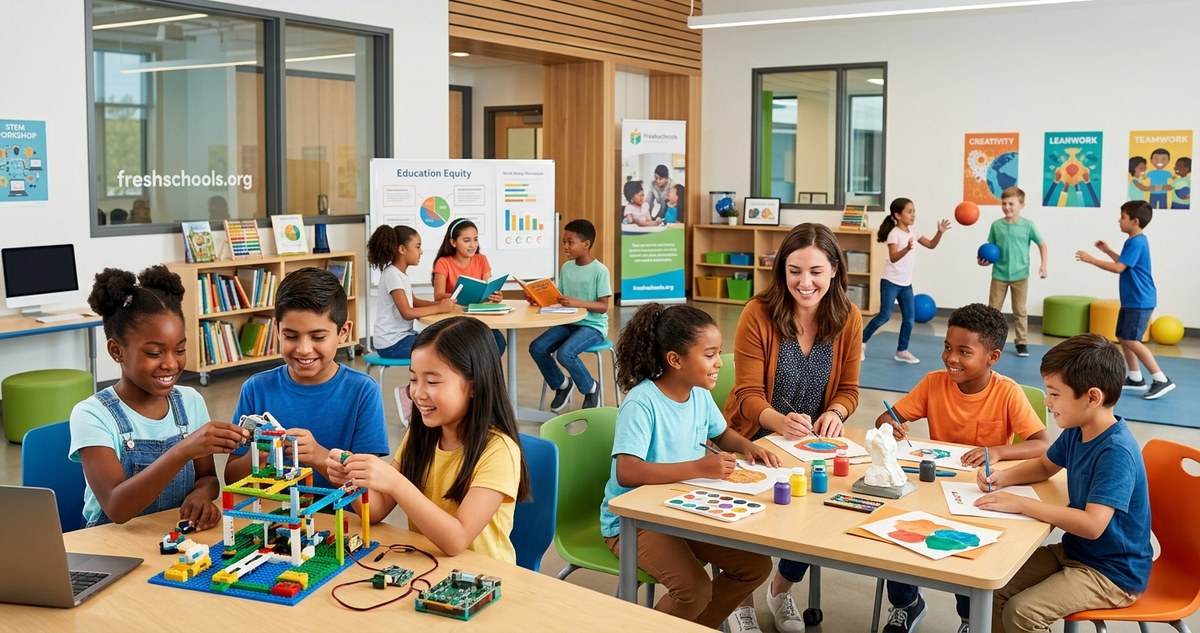
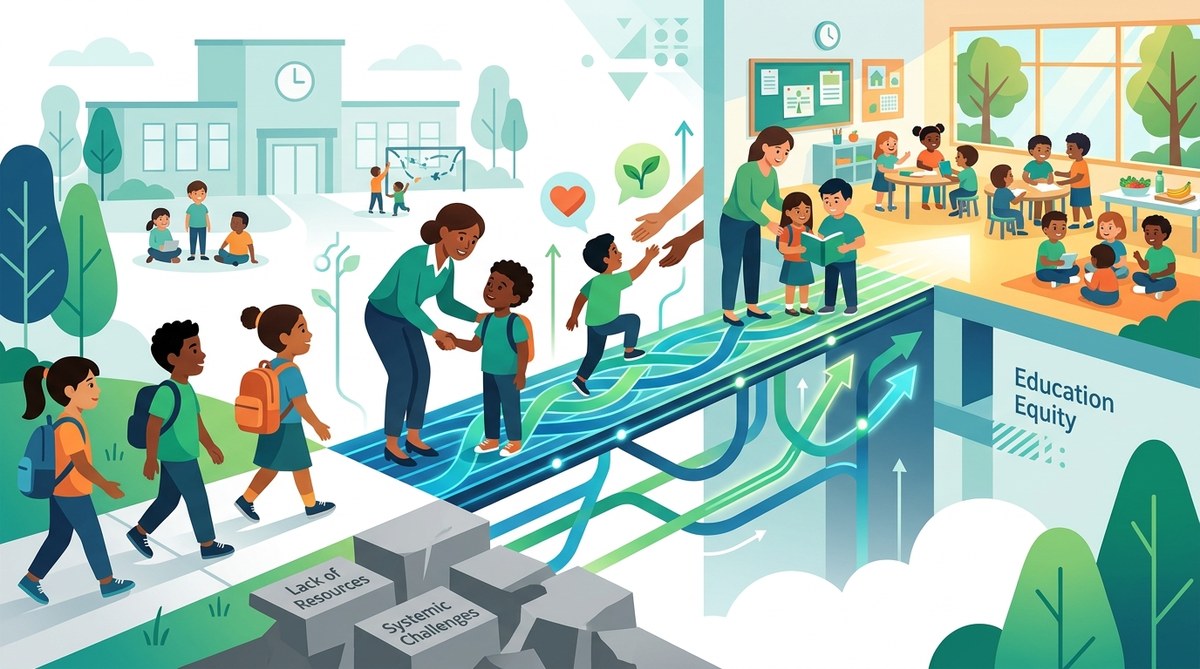
Creating a classroom where every child feels valued, understood, and empowered is a goal shared by many educators today. Fostering child-centered equitable learning environments is about more than just including diverse materials or adhering to policies. It involves creating a space where every child’s voice matters, their backgrounds are celebrated, and their unique needs guide teaching practices. When classrooms become true communities of learners, students thrive academically, socially, and emotionally. This approach not only promotes learning but also nurtures a sense of belonging and respect among all students.
Creating child-centered equitable learning environments requires intentional planning, inclusive practices, and ongoing reflection. By centering the needs and voices of children, educators can build classrooms that celebrate diversity, promote fairness, and foster genuine engagement for all learners.
Understanding What It Means to Foster Child-Centered Equity
Fostering child-centered learning environments means placing students’ interests, cultures, and experiences at the core of educational practices. Equity, in this context, refers to providing fair opportunities for all children to succeed, regardless of their background or circumstances. Combining these ideas results in classrooms where children feel safe, respected, and motivated to explore their potential.
A child-centered approach recognizes that each learner is unique. It values their individual stories and encourages active participation. Equity ensures that barriers such as language differences, socio-economic challenges, or disabilities do not hinder access to meaningful learning experiences. When these principles are integrated, classrooms become vibrant spaces where diversity is seen as a strength and every child’s voice is heard.
Practical Strategies to Create Child-Centered and Equitable Learning Environments
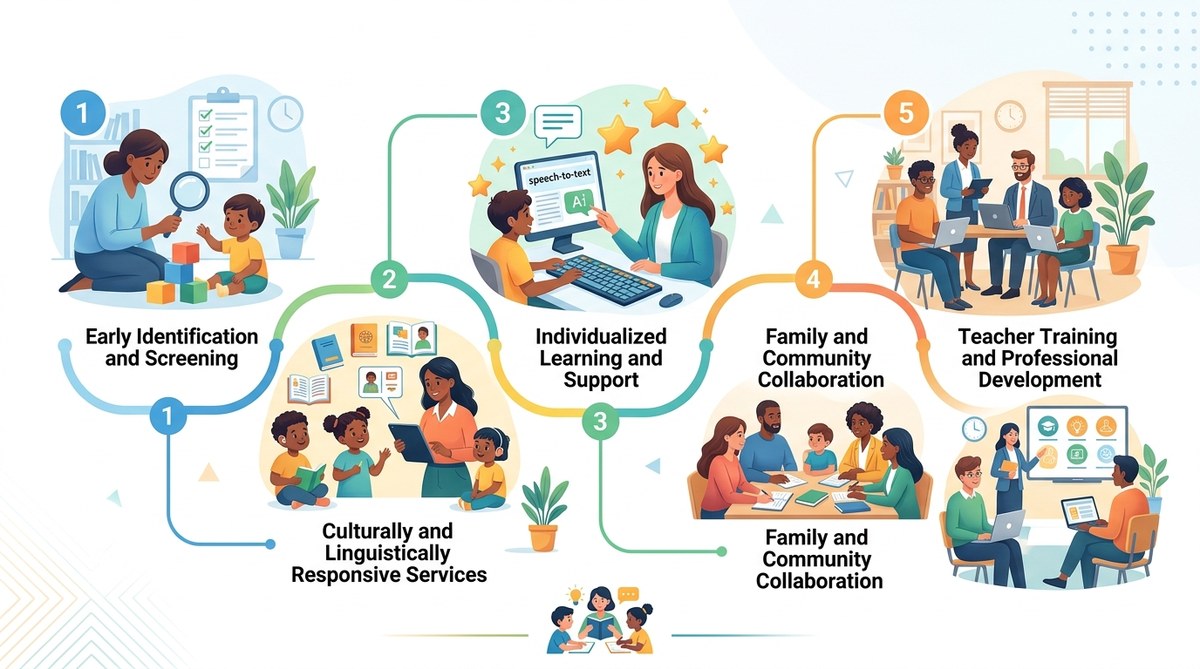
Building such environments involves deliberate, step-by-step efforts. Here are practical processes that educators can adopt:
-
Engage children’s voices in decision-making.
Create opportunities for students to share their interests, preferences, and feedback. Use tools like student surveys or daily check-ins to inform lesson planning. When children influence classroom routines and activities, they develop a sense of ownership and belonging. -
Implement culturally responsive teaching.
Incorporate materials, stories, and examples that reflect the diverse backgrounds of your students. Learn about their cultures and incorporate their traditions into lessons. This validation builds trust and demonstrates that their identities are valued. -
Differentiate instruction to meet individual needs.
Recognize that children learn in different ways and at different paces. Use flexible grouping, varied activities, and personalized supports. For example, offer visual aids, hands-on experiences, or language assistance as needed. -
Foster a classroom community rooted in respect and empathy.
Teach social-emotional skills explicitly. Use circle time or collaborative projects to build empathy and understanding. When children feel safe to express themselves, they become active participants in their learning. -
Reflect regularly and adapt practices.
Schedule ongoing reflection sessions with students and colleagues. Assess what strategies are working and where adjustments are needed. This continuous improvement ensures the environment remains inclusive and responsive.
Techniques for Promoting Equity and Avoiding Common Mistakes
To reinforce these efforts, consider the following techniques:
| Technique | What it achieves | Common mistake to avoid |
|---|---|---|
| Culturally relevant curriculum | Validates identities | Using stereotypes or tokenism |
| Differentiated instruction | Meets diverse needs | Applying a one-size-fits-all approach |
| Student-led activities | Builds ownership | Overlooking student input or dominance by a few |
| Inclusive discipline policies | Fair and respectful behavior management | Punishing behavior without understanding context |
| Family and community engagement | Strengthens trust and cultural relevance | Tokenistic or superficial involvement |
“Creating an equitable, child-centered environment is an ongoing journey. It requires openness, humility, and a willingness to learn from your students and their families.” — Early childhood education expert
Common Techniques and Mistakes in Fostering Equity
To clarify how to implement these ideas effectively, here is a simple overview:
| Technique | Common mistakes | Benefits |
|---|---|---|
| Incorporating diverse stories | Relying on stereotypes | Builds cultural awareness and respect |
| Using flexible assessment methods | Ignoring individual progress | Provides a fair picture of student learning |
| Encouraging student voice | Overlooking quieter students | Promotes engagement and confidence |
| Celebrating cultural traditions | Tokenism or superficial acknowledgment | Fosters inclusion and pride |
Building a Classroom That Celebrates Diversity and Promotes Equity
Creating a truly inclusive space means more than just adjusting curriculum. It involves cultivating a community where differences are appreciated and every child feels they belong. This starts with intentional planning and continues through daily interactions. Recognize that building this environment also requires patience and persistence. Small changes, such as using inclusive language or inviting families to share traditions, can have a big impact over time.
“The heart of equitable education lies in listening deeply and adapting your approach to meet the needs of each child.” — Education researcher
Final Thoughts on Practical Steps for Every Educator
Fostering child-centered equitable learning environments is an ongoing process rooted in intentionality and genuine care. Focus on creating spaces where children feel empowered to express themselves and where their diverse backgrounds enrich the learning community. Remember to reflect on your practices regularly and seek feedback from students and families. Small, consistent efforts can transform a classroom into a vibrant hub of inclusion and discovery.
Cultivating Inclusive Classrooms for Long-Term Growth
Building these environments takes commitment, but the rewards are clear. When children see that their identities matter and their voices are heard, they develop confidence and resilience. As educators, your role is to nurture this foundation by continually refining your practices and fostering a culture of respect. With patience and dedication, you can create a classroom where every learner feels valued, supported, and ready to succeed.
If you’re looking for further guidance, consider exploring additional resources on strategies to promote inclusive education for all students. Implementing these strategies can make a powerful difference in your classroom and contribute to a more equitable and engaging learning experience for all children.