elias
elias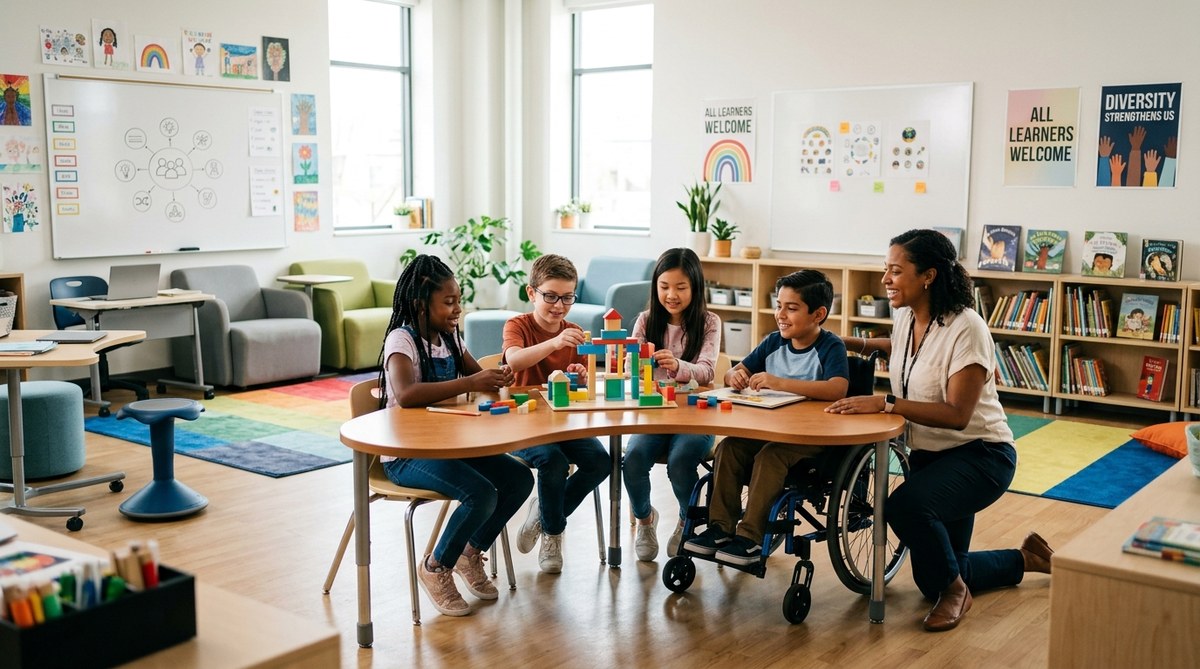
Creating a truly equitable and inclusive classroom goes beyond curriculum choices. It involves reimagining the entire learning environment to ensure every student feels valued, respected, and empowered. When learning spaces are designed thoughtfully, they foster engagement, reduce disparities, and support diverse needs. This guide dives into actionable strategies that educators, administrators, and policymakers can implement to transform their classrooms into welcoming environments where every learner can succeed.
Transforming learning environments for equity and inclusion requires intentional design, relationship building, and inclusive practices. By fostering safe, respectful spaces and integrating diverse perspectives, educators can support all students’ success and well-being.
Understanding the importance of inclusive learning spaces
Creating environments that promote equity and inclusion is essential for equitable student outcomes. When students see themselves reflected and feel safe to express their identities, they are more likely to engage deeply with learning. Such spaces also help dismantle barriers like bias, stereotypes, and systemic disparities.
Research shows that inclusive environments improve academic performance, social-emotional health, and long-term success for all students. They foster a sense of belonging, which is a fundamental human need. When students feel connected and respected, they are more motivated and resilient.
Practical steps to transform learning environments
Transforming learning spaces involves a series of deliberate actions. Here are key strategies to guide your efforts:
1. Cultivate strong, respectful relationships with students
Building trust is the foundation of inclusive classrooms. Get to know your students’ backgrounds, interests, and strengths. Use that knowledge to tailor your teaching and create a welcoming atmosphere. Regular check-ins, active listening, and genuine curiosity help students feel valued.
2. Design culturally responsive and diverse curricula
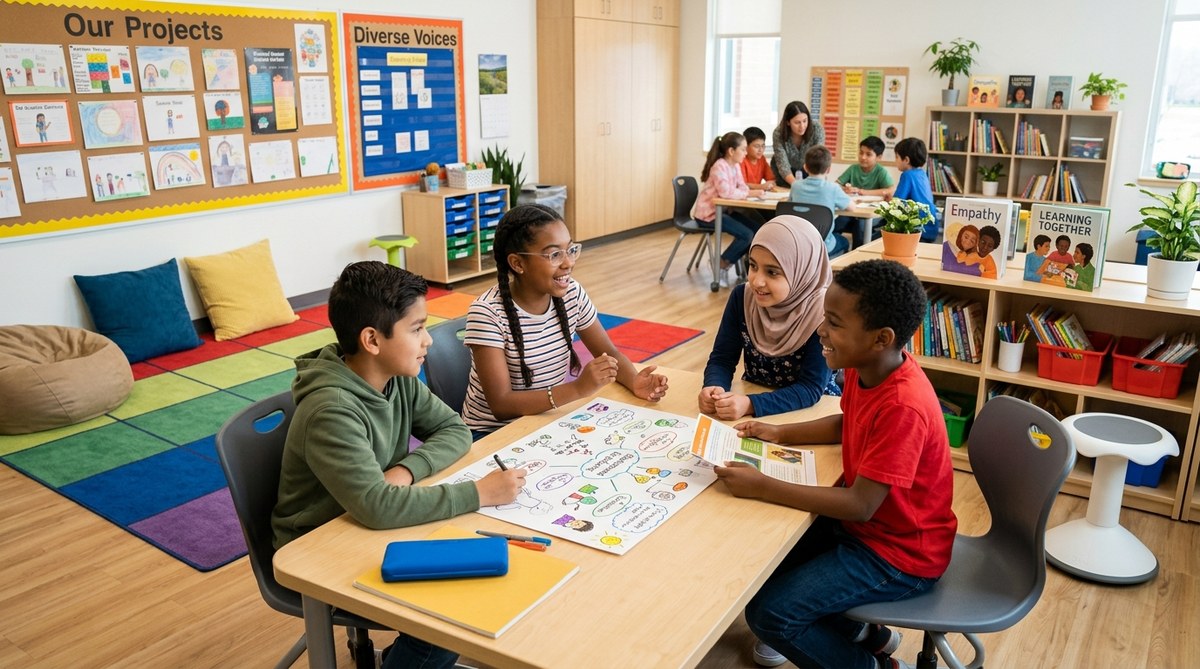
Incorporate perspectives from various cultures, histories, and experiences. Use materials that reflect the diversity of your student body. This not only enriches learning but also affirms students’ identities. Engage students in conversations about inclusion and representation.
3. Set clear expectations for respect and kindness
Create classroom norms centered around respect and empathy. Model inclusive language and behavior. Address bias or exclusion immediately and constructively. Use restorative practices to resolve conflicts and promote understanding.
4. Ensure physical and emotional safety
A safe learning environment encourages participation and risk-taking. Arrange your classroom to be accessible and welcoming. Incorporate trauma-informed practices to support students who may have experienced adversity. Promote mental health and resilience through mindfulness activities and social-emotional learning.
5. Incorporate flexible participation methods
Recognize diverse learning styles and needs by offering multiple ways to engage. Use visual aids, discussions, hands-on activities, and technology to provide accessible participation options. This inclusivity helps students with different abilities and comfort levels thrive.
6. Collaborate with families and community partners
Engaging families fosters trust and supports student success. Communicate openly and respectfully, valuing their insights. Partner with community organizations to bring additional resources and cultural perspectives into the classroom.
7. Continually reflect and improve
Regularly evaluate your practices and the classroom climate. Solicit feedback from students and colleagues. Stay informed about best practices in equity and inclusion. Adjust your strategies as needed to better serve all learners.
Common pitfalls and how to avoid them
| Technique | Mistake | How to avoid it |
|---|---|---|
| Culturally responsive curricula | Relying on stereotypes | Use authentic, varied materials from multiple perspectives |
| Relationship building | Making assumptions about students | Engage in open conversations and listen actively |
| Classroom norms | Vague or unenforced rules | Establish clear expectations and follow through consistently |
| Student participation | One-size-fits-all activities | Offer multiple ways for students to demonstrate understanding |
Expert advice on creating inclusive environments
“A truly inclusive learning environment recognizes each student’s dignity and uniqueness. It requires ongoing effort, reflection, and genuine commitment from educators to ensure every learner feels a sense of belonging,” emphasizes Dr. Lisa Sanchez, an expert in educational equity.
Techniques for sustained transformation
- Model inclusive language in all interactions.
- Use diverse teaching materials to reflect different perspectives.
- Create opportunities for student voice in decision-making.
- Address bias proactively through professional development.
- Celebrate diversity regularly through classroom activities and events.
Mistakes to watch out for
| Technique | Mistake | How to avoid it |
|---|---|---|
| Ignoring systemic barriers | Assuming individual effort alone solves disparities | Address institutional policies and practices that hinder equity |
| Tokenism | Superficial diversity efforts | Commit to meaningful inclusion and representation |
| One-time training | Thinking diversity work is a quick fix | Engage in ongoing learning and reflection |
Making inclusion a daily practice
Transforming learning environments for equity and inclusion is a continuous journey. It requires attentive listening, honest self-assessment, and a willingness to adapt. Small changes can have a big impact when consistently applied.
Start by setting clear goals, like incorporating diverse voices or building stronger relationships. Celebrate progress and learn from setbacks. Invite feedback from students and colleagues to refine your approach.
Creating spaces where all students belong
The essence of transforming learning environments lies in cultivating spaces where students feel they matter. When educators prioritize respect, diversity, and connection, they lay the groundwork for thriving classrooms. Every effort counts in shaping a future where equity and inclusion are the norm.
By embedding these practices into daily routines, you can foster a classroom climate that not only supports academic achievement but also nurtures kindness and understanding. Remember, the goal is not perfection but persistent growth.
Final encouragement to shape inclusive learning spaces
Every teacher and administrator has the power to make a difference. Start small if needed, and build from there. Use your influence to promote a culture of belonging where all students can flourish. The more intentional your efforts, the more profound the impact on students’ lives.
Transforming environments for equity and inclusion is a shared responsibility. When committed, educators create ripples that extend beyond the classroom, shaping more just and compassionate communities. Take these strategies to heart and continue refining your approach — your students will thank you for it.