elias
elias
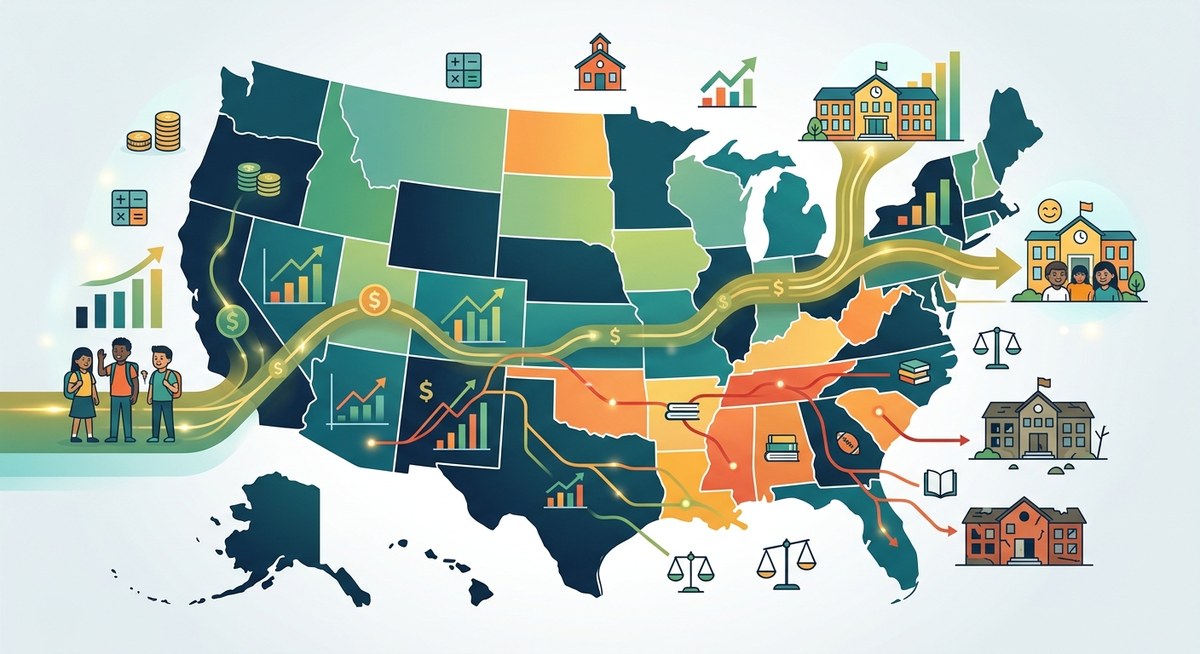
Addressing systemic barriers to education equity in 2026 demands intentional strategies that recognize and dismantle the structures perpetuating inequality. Schools across the United States face persistent challenges such as funding disparities, discriminatory policies, and unequal access to resources. Overcoming these obstacles is essential for creating fair learning environments where every student has the chance to succeed. By implementing targeted approaches, educators and policymakers can foster equitable opportunities that benefit all students, especially those historically marginalized.
To effectively address systemic barriers to education equity in 2026, schools must adopt comprehensive strategies that promote inclusive practices, reform policies, and invest in equitable resource distribution. Collaboration among educators, policymakers, and communities is crucial for meaningful change and creating learning environments where all students can thrive.
Understanding Systemic Barriers and Their Impact in 2026
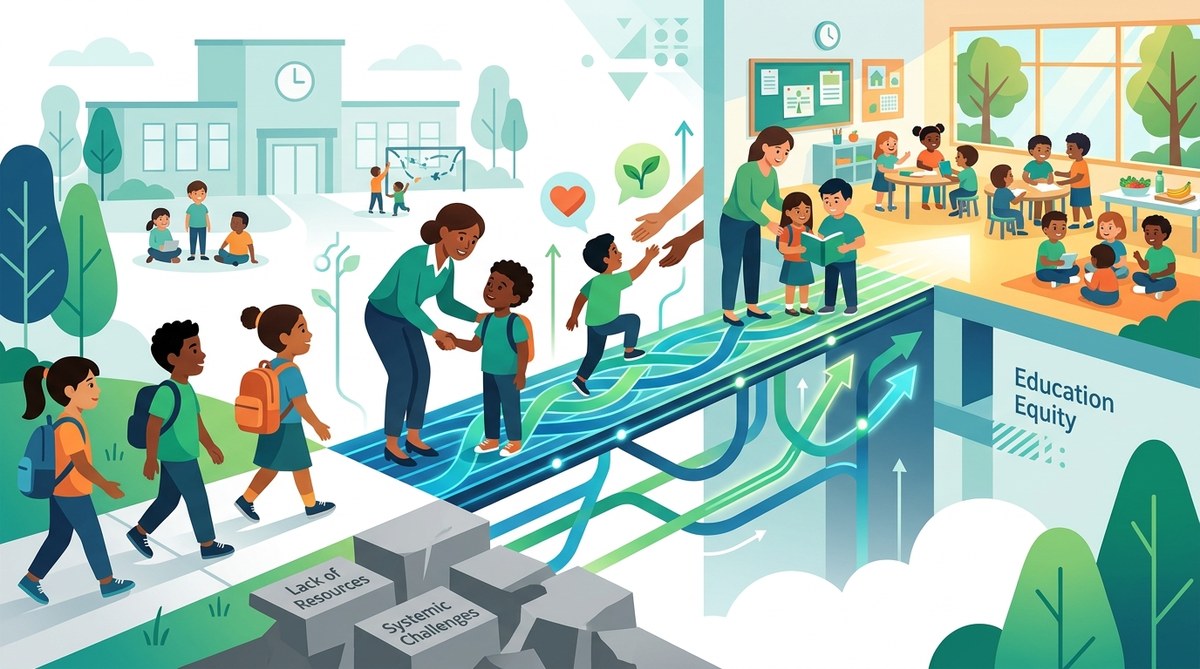
Systemic barriers are deeply embedded structures, policies, and practices that hinder equitable access to quality education. These include funding inequalities, discriminatory disciplinary policies, lack of representation in curricula, and limited access to advanced coursework or extracurricular activities for marginalized students. Recognizing how these barriers operate helps in designing effective solutions that reach beyond surface-level fixes.
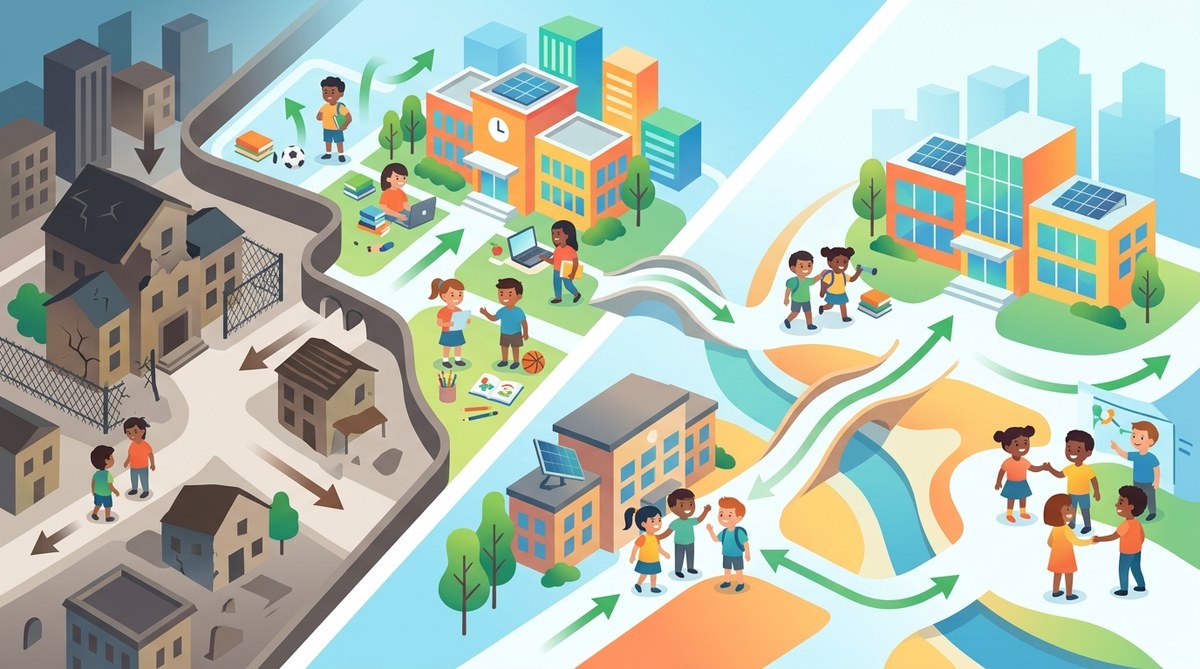
In 2026, addressing these issues requires a nuanced understanding of how historical and societal inequities influence educational outcomes. Schools serving predominantly marginalized communities often face resource shortages, outdated facilities, and limited staff diversity. These systemic issues result in achievement gaps that are difficult to close without deliberate intervention.
Practical Processes for Tackling Systemic Barriers
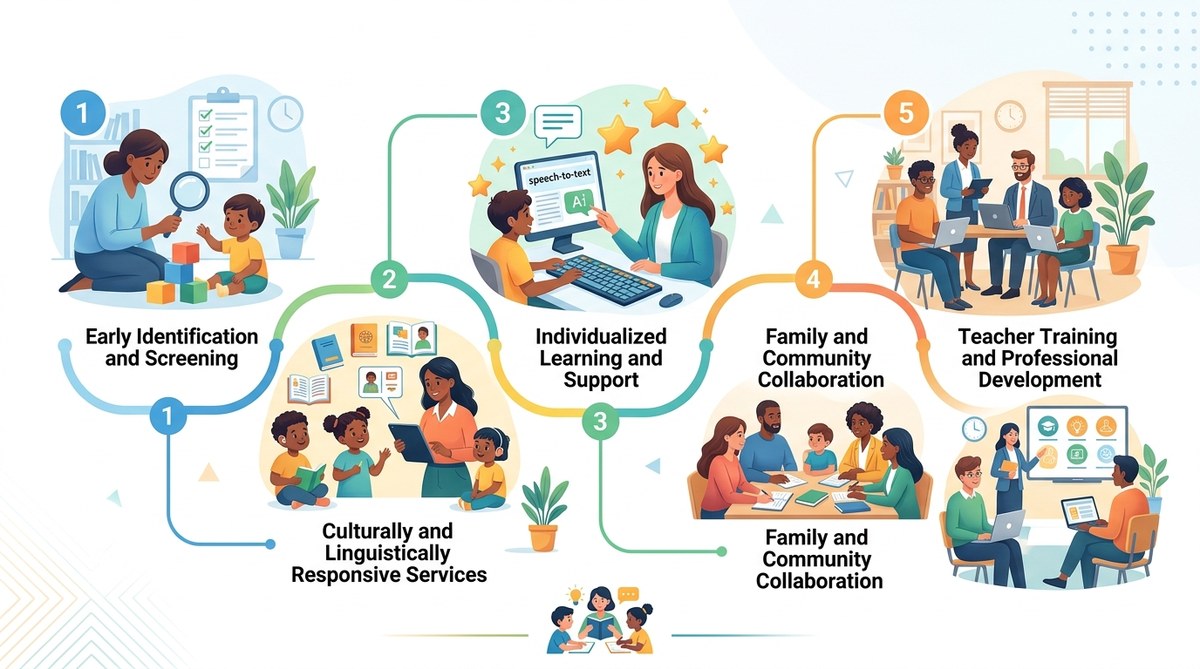
Successfully addressing systemic barriers involves a structured, multi-step process. Here are three essential steps to guide your efforts:
-
Assess the Landscape
Begin by conducting comprehensive audits of school policies, resource allocation, and student outcomes. Use data disaggregated by race, socioeconomic status, and disability to identify disparities. Engage stakeholders—including students, families, and community advocates—to gain insights into lived experiences and barriers. -
Develop Targeted Strategies
Based on assessment findings, craft strategies tailored to specific challenges. For example, if funding disparities are evident, advocate for equitable funding formulas that allocate resources based on student needs. If disciplinary policies disproportionately impact students of color, implement restorative justice practices instead of zero-tolerance policies. -
Implement and Monitor Change
Put strategies into action with clear timelines and accountability measures. Provide professional development for educators on culturally responsive teaching and bias reduction. Regularly collect data to assess progress and adjust initiatives as needed. Transparency and community engagement ensure sustained commitment.
Key Techniques and Common Mistakes Table
| Techniques | Mistakes to Avoid |
|---|---|
| Data-driven decision making | Relying on anecdotal evidence without data |
| Community involvement in planning | Excluding families and students from decisions |
| Policy reform based on equity principles | Implementing superficial or one-time fixes |
| Investing in culturally responsive training | Ignoring the importance of ongoing professional development |
| Resource redistribution to underserved schools | Assuming equity is achieved once resources are allocated |
Strategies That Make a Difference
-
Reform Funding Models: Shift funding towards schools serving high-need students to close resource gaps. Equitable funding ensures all students have access to quality facilities, technology, and learning materials.
-
Revise Disciplinary Policies: Replace punitive measures with restorative practices that focus on community-building and accountability. This reduces the school-to-prison pipeline that disproportionately affects students of color.
-
Curriculum and Representation: Incorporate diverse perspectives and histories into curricula to foster inclusivity and cultural relevance. When students see themselves reflected in learning materials, engagement and achievement improve.
-
Enhance Access to Advanced Learning: Expand opportunities for marginalized students to participate in gifted programs, AP courses, and extracurricular activities through targeted outreach and support programs.
-
Professional Development: Provide ongoing training for educators on equity, bias reduction, and culturally responsive teaching. Empower teachers to create inclusive classrooms that meet diverse needs.
Common Pitfalls in Addressing Systemic Barriers
| Mistakes | Why They Fail |
|---|---|
| Implementing quick fixes without systemic change | Fails to address root causes of inequality |
| Ignoring community voices | Misses local context and stakeholder buy-in |
| Relying solely on policy changes without resources | Changes are ineffective without funding support |
| Focusing on deficit models rather than strengths | Undermines student confidence and engagement |
| Overlooking staff diversity and training | Limits the effectiveness of equity initiatives |
“Creating truly equitable schools requires systemic change that involves everyone—from policymakers to teachers to students. It is about building structures that support all learners, especially those who have been historically marginalized.” — Education justice advocate
Building a Culture of Equity in Schools
Fostering an environment where equity is woven into daily practices is vital. This involves:
- Promoting inclusive school cultures that celebrate diversity
- Encouraging open conversations about bias and identity
- Supporting student agency and leadership
- Establishing policies that prioritize equity in discipline, staffing, and curriculum
Collaborating for Lasting Change
Addressing systemic barriers is not a one-time effort. It requires ongoing collaboration among schools, districts, communities, and policymakers. Forming coalitions that focus on shared goals can lead to sustainable progress.
Consider engaging local organizations, parent groups, and students themselves in planning and decision-making. Their voices can help shape policies that truly reflect community needs.
Final Steps to Make a Difference in 2026
- Commit to continuous learning about systemic inequities and their impact.
- Use data to inform strategies and measure progress.
- Foster partnerships that support resource sharing and advocacy.
- Keep an open mind and adapt approaches based on feedback.
- Prioritize transparency and accountability at every level.
Moving Forward Toward Education Justice
Tackling systemic barriers to education equity in 2026 is a complex, yet achievable goal. It begins with honest assessment, inclusive planning, and persistent action. Schools that commit to these principles can transform learning environments into spaces where every student feels valued, supported, and capable of achievement.
Remember, change starts with small steps but gains momentum through collective effort. By working together, educators and advocates can shape a future where education truly serves all learners equally.
Final Reflection
Creating equitable schools is a continuous journey of learning and adaptation. Embrace the challenge by listening to your community, advocating for fair policies, and investing in practices that uplift every student. Small, consistent actions can lead to meaningful transformation. Your commitment can make a lasting difference in the lives of countless students in 2026 and beyond.